
Deciding criteria: what matters when choosing a brewing method
Before we compare French press vs pour-over directly, pick the decision criteria that actually change the result: taste and mouthfeel, control and repeatability, speed and convenience, equipment and counter space, maintenance and waste. I’ll use these five lenses to compare trade-offs so you can choose based on how you drink coffee, not on appliance popularity.
Quick answer up front
If you want bold, full-bodied coffee with minimal fiddling and don’t mind sediment, a French press is generally better. If you prefer clean, nuanced flavors and precise control (and you’re willing to take the time), pour-over will serve you better. Read on for the trade-offs that decide which is best for you.
Taste and mouthfeel: body versus clarity
French press produces a heavy-bodied cup. The metal mesh filter lets oils and fine particles through, so you get more texture, richer mouthfeel, and a perception of stronger flavor. That’s great with medium-to-dark roasts and blends where body and mouthfeel are desirable.
Pour-over emphasizes clarity and complexity. Paper filters trap oils and most fines, producing a cleaner cup where acidity, floral notes, and subtle single-origin characteristics are easier to detect. Lighter roasts often shine more with pour-over.
Control and repeatability: how precise do you need to be?
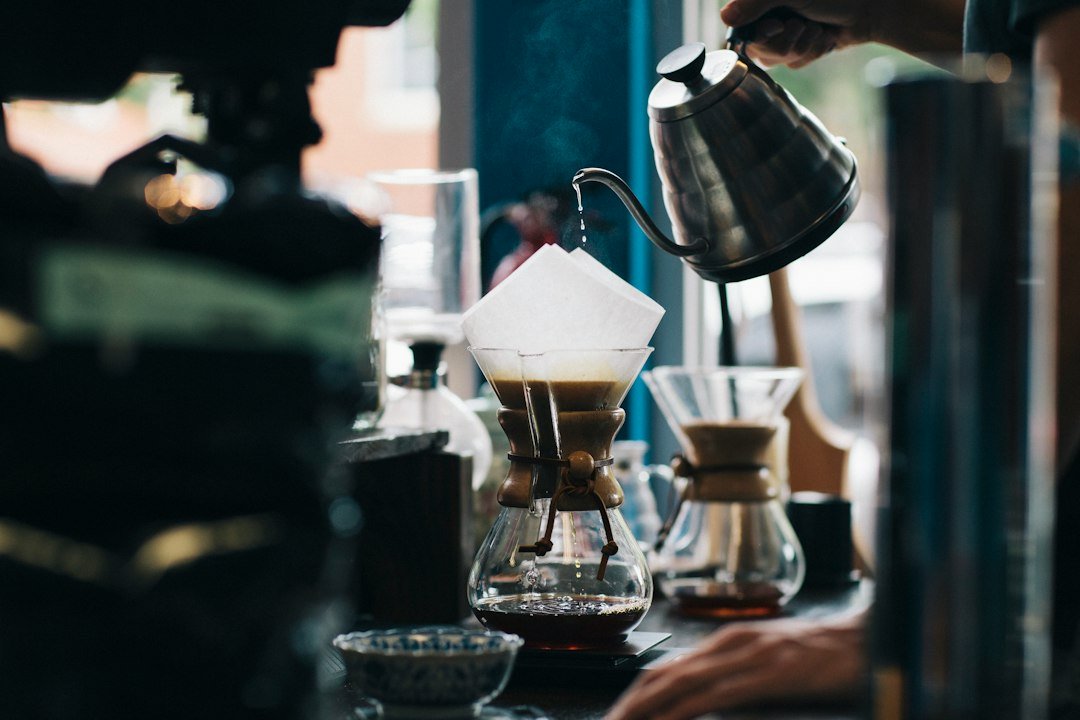
Pour-over rewards precision: grind size, pour rate, water temperature, bloom time, and agitation each change extraction noticeably. A gooseneck kettle and a scale (and ideally a timer) let you reproduce a recipe reliably. If you enjoy tweaking parameters and tracking results, pour-over gives you a wider control surface.
French press is more forgiving. Key variables are grind (coarse), water temperature, steep time, and agitation before plunging. Small deviations matter less, which is why many people prefer French press for reliable daily brews without a lot of measurement.
Speed and convenience: morning routine fit
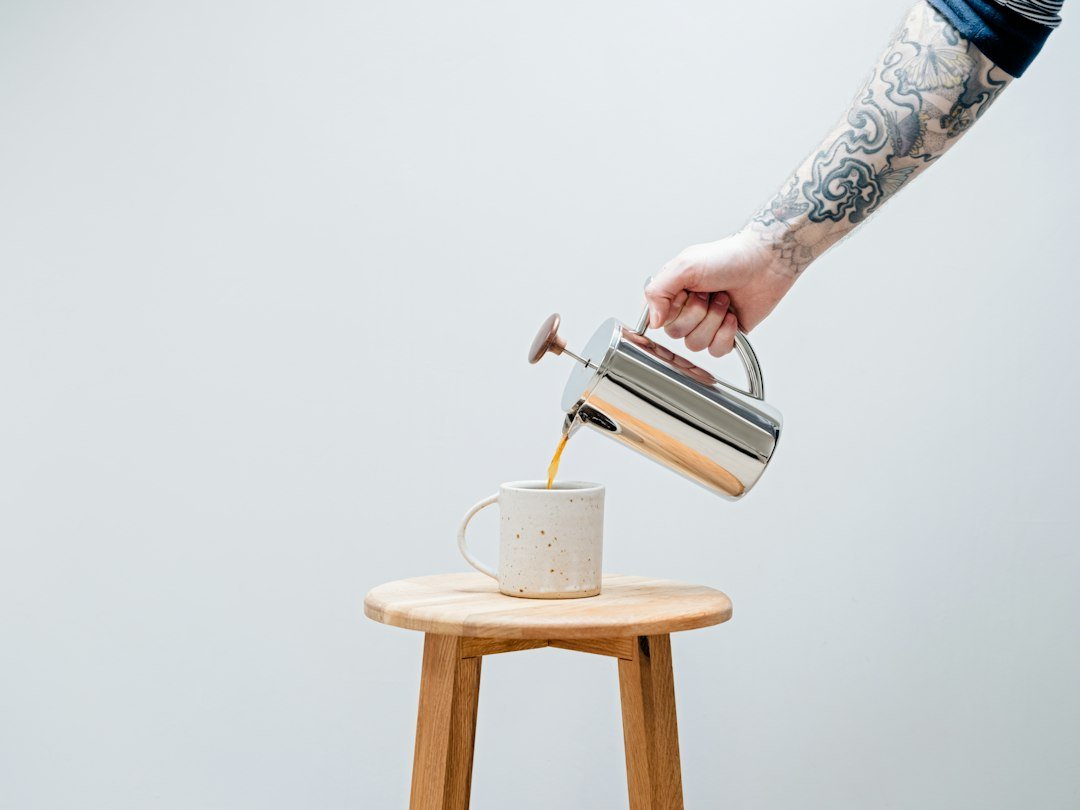
French press is straightforward: boil water, pour, steep ~4 minutes, plunge. It’s one vessel and one motion—good for several cups at once and for low-fuss mornings. It doesn’t require precise pouring technique or multiple small pours.
Pour-over takes longer per cup if done well. A single cup can take 2.5–4 minutes of active pouring and attention, plus prep. Automatic pour-over devices reduce effort, but manual pour-over is a little ritual. For single-serve enthusiasts who don’t mind the time, it’s rewarding; for rushed routines, French press wins.
Equipment, counter space, and cost
Both methods can be budget-friendly, but they scale differently. French presses are inexpensive and compact; a quality glass or stainless model is all you need. Pour-over can be equally cheap (a ceramic dripper + filters), but to get the precision many users want you’ll add a gooseneck kettle and a scale.
If counter space is tight, a compact French press or single-cup pour-over dripper both work. For most enthusiasts, a good burr grinder is the biggest necessary investment if you value fresh beans—see our guide on grinders for matching grind choices.
Maintenance, filters, and waste
French press cleanup is mostly rinsing and occasional deep cleaning of the plunger and mesh. It produces wet grounds that compost well but can be messier to dump. No paper filters are required.
Pour-over needs fresh paper (or a reusable metal filter). Paper filters add waste but simplify cleanup—just fold and discard. Reusable filters change the flavor profile (more oils) and require washing. If minimizing waste is a priority, a French press or reusable pour-over filter is preferable.
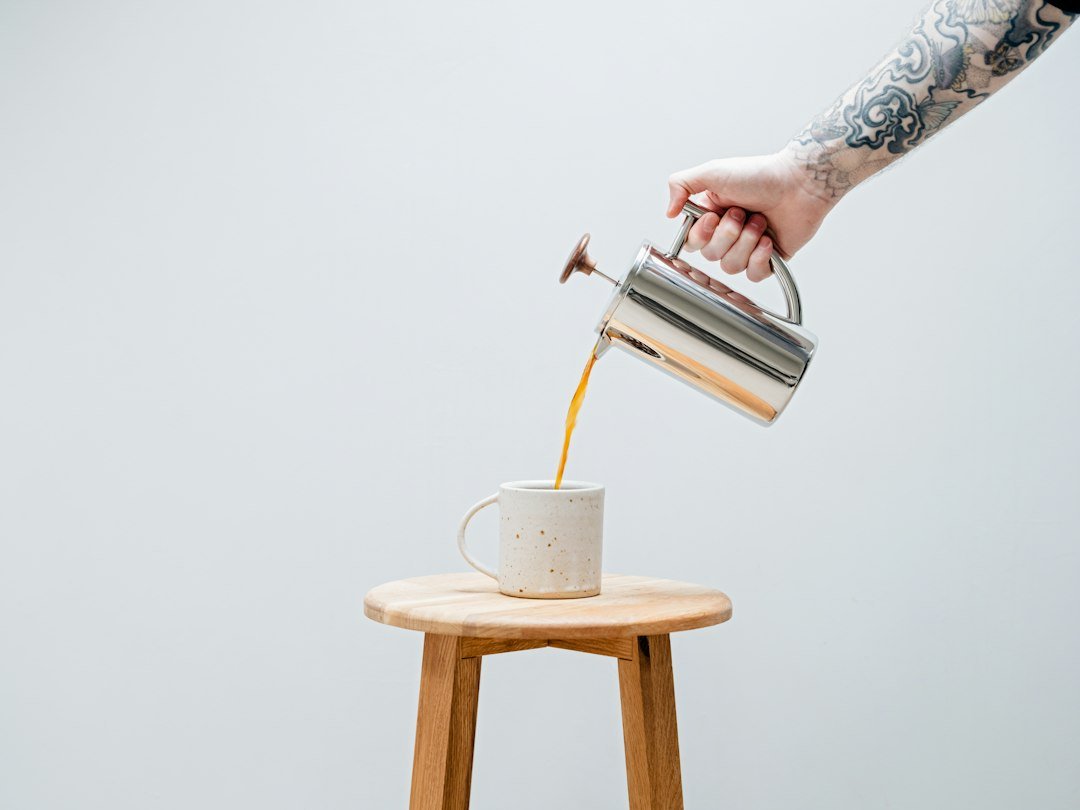
Grind size, dose, and water ratio differences that matter
Practical starting points—these let you taste differences quickly. For French press use a coarse grind (like breadcrumbs), a 1:12–1:15 ratio (coffee to water by weight), and 3:30–4:00 minutes steep. For pour-over start with a medium-fine grind (slightly coarser than table salt), a 1:15–1:17 ratio, and use a bloom (30–45 seconds) followed by controlled pours.
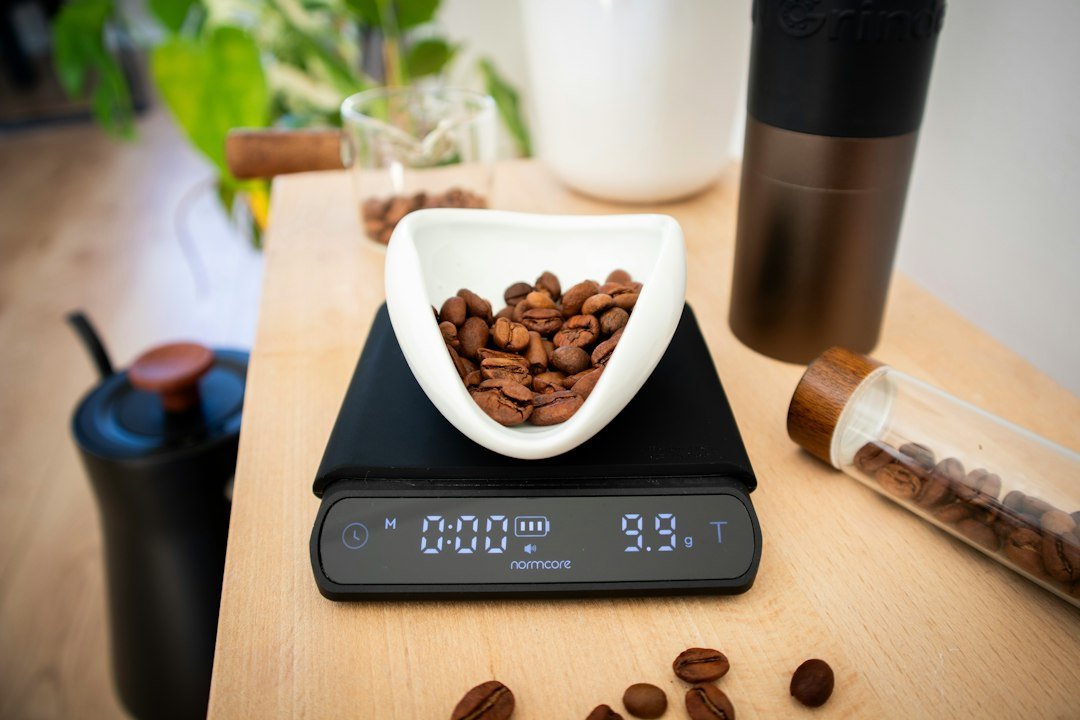
Using a scale improves repeatability for both; if you want a single product pick that helps both methods, the TIMEMORE Black Mirror Basic 3.0 is a solid choice for precise timing and modes that include pour-over guidance.
Which one suits each kind of coffee drinker?
- If you drink multiple cups during the morning, prefer stronger body, or want less attention during brewing: choose French press.
- If you enjoy tasting origin character, like lighter roasts, or want precise control and ritual: choose pour-over.
- If you have limited space and want both styles: keep a small ceramic dripper for single cups and a compact French press for larger batches.
Practical examples and a simple test to decide for yourself
Run this two-brew comparison at home: same beans, same roast level, same dose by weight. Brew a French press at 1:13, 4 minutes; brew a pour-over at 1:16 with a 30–45s bloom and two additional pours. Taste side-by-side, paying attention to body, perceived strength, and the clarity of flavor notes. Repeat with a light roast and a medium-dark roast to see which method highlights what you prefer.
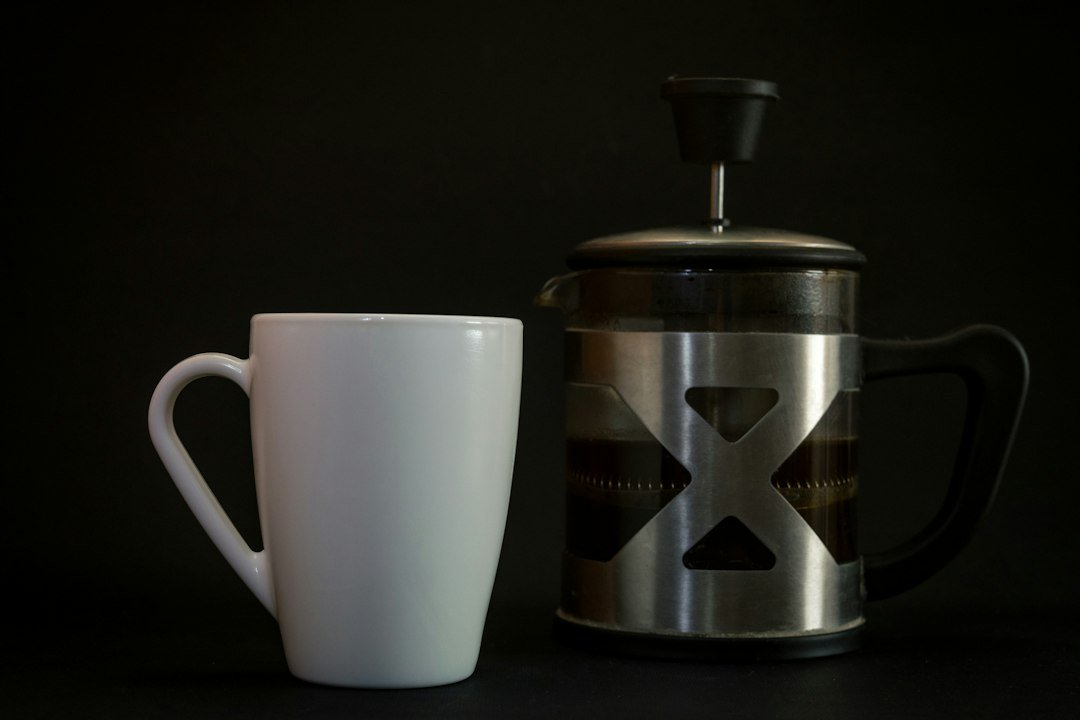
Recommended accessories that actually change results
- Fresh burr grinder (consistent particle size matters more than the brewer). The KRUPS Precision Burr Grinder (ID 3868) is a reliable all-around choice.
- Digital scale with 0.1 g accuracy—TIMEMORE Black Mirror Basic 3.0 (ID 4065) or Cocinare Balance Lite (ID 4059) make precise dosing easier.
- Gooseneck kettle for pour-over control (optional for French press).
Where to learn more or expand your setup
If you want to level up: read our grinder guide for matching burrs to brewing style, or explore pour-over equipment pages to see dripper options and paper vs metal filters.
How to Choose the Right Coffee Grinder for Your Brewing Style
- Do you prefer heavy mouthfeel or bright clarity?
- How much time will you spend on each brew?
- Do you want fewer disposable filters or easier cleanup?
- Do you plan to brew single cups or multiple servings?
- Is investing in a good grinder and scale feasible for you?
French press and pour-over are both excellent but serve different priorities: French press for body, simplicity, and batch brewing; pour-over for precision, clarity, and single-cup nuance. Your routine, roast preference, and willingness to tweak should decide which method you make habitual.
Can I use the same grind for both methods?
Not ideally—French press needs a coarser grind to avoid over-extraction and excessive sediment, while pour-over performs best with a medium-fine consistency for even extraction.
Which method wastes more coffee or produces more waste?
Pour-over with paper filters produces disposable waste but is easy to clean; French press creates wet grounds you can compost and no paper waste.
Does one method extract more caffeine than the other?
Caffeine depends on dose, grind, and extraction. French press often feels stronger because of body and oils, but with equal dose and extraction levels the differences are small.
Is a gooseneck kettle necessary for pour-over?
It’s not strictly necessary, but a gooseneck kettle greatly improves pouring control and helps achieve consistent extraction in manual pour-over.
Should I buy a paper or metal filter for pour-over?
Paper gives cleaner cups and easier disposal; metal preserves oils for more body. Choose based on whether you prefer clarity or richer mouthfeel.