
Many home baristas assume wiping the steam wand and knocking out a puck is enough. The end result you want is consistent, flavorful espresso and a machine that runs reliably for years—achieved by regular, targeted cleaning: daily rinses and wand care, weekly backflushing of the group head, and periodic descaling and parts inspection.
What you’ll need before you start
- Soft cloths and microfiber towels
- Group-head brush and small toothbrush
- Backflush blind filter (if your machine accepts it) and espresso machine cleaner powder
- Food-grade descaler (or manufacturer-approved solution)
- Small container for soaking portafilter parts
- TDS or water hardness test strips (optional, for preventing scale)
Daily routine: quick actions that prevent big problems
Do these after every coffee session or at least daily. They take 1–5 minutes but stop milk, oils and fines from building up.
- Flush the group head: run water through the group for 5–10 seconds with the portafilter removed to rinse away loose grounds and oils.
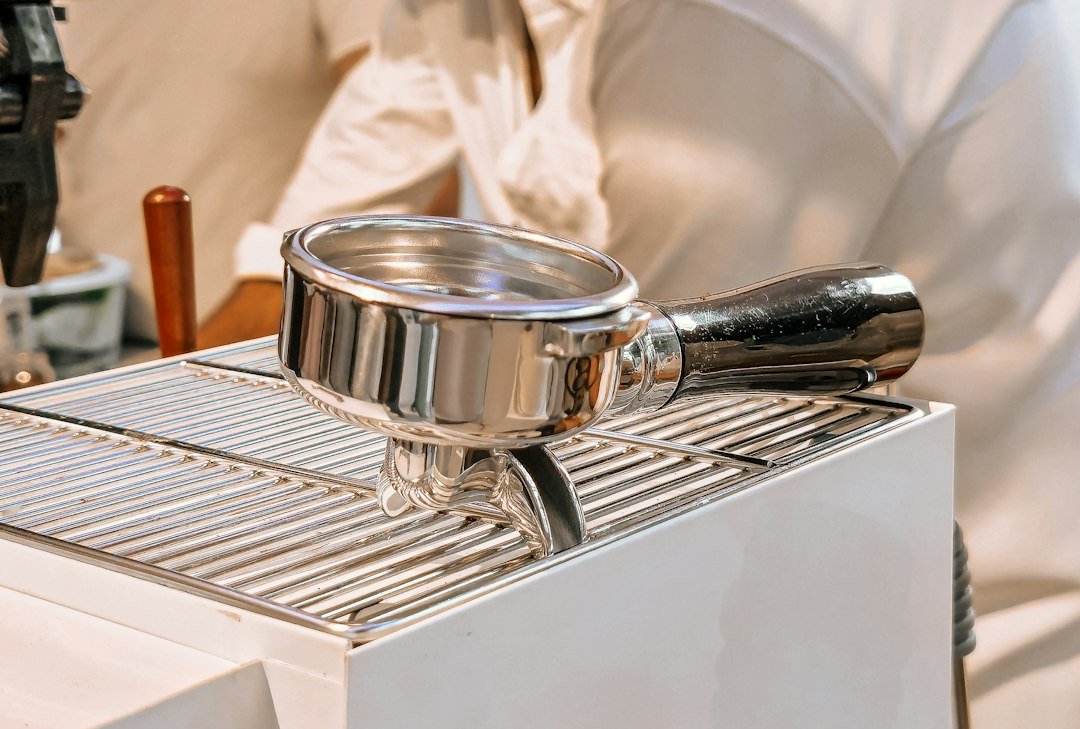
- Clean the portafilter and basket: knock out the puck, rinse both parts under hot water and scrub with a brush if oily. Dry before reassembling.
- Wipe the steam wand immediately: purge steam for 1–2 seconds, wipe with a damp cloth, then purge again. This prevents milk from drying inside the tip and wand.
- Empty and rinse the drip tray and water tank: stale water and residue are breeding grounds for bacteria.
Weekly: deeper cleaning to keep shots tasting right
Set aside 10–20 minutes once a week for a more thorough pass.
- Backflush the group head (for machines with a three-way valve): use a blind filter and a teaspoon of espresso machine cleaner. Backflush five times with cleaner, let sit 5 minutes, then backflush with clean water until the water runs clear. This removes oils from the group, solenoids and valves.
- Soak portafilter parts: remove the basket and soak in hot water with a cleaning solution for 10–15 minutes, then scrub and rinse. Stainless baskets can retain oils that change flavor.
- Brush the group gasket and shower screen: use a group-head brush to remove compressed grounds around the gasket and screen. Replace the gasket when torn or badly compressed.
- Clean the steam-tip: remove the tip (if removable) and soak in warm water; use a needle to clear holes. If the tip isn’t removable, soak a cloth in warm water and hold it while purging steam to loosen deposits.
Monthly and quarterly maintenance: descaling and inspection
How often you descale depends on local water hardness—test with strips or check your municipal report. Hard water requires more frequent descaling; soft or filtered water less.
- Descale the boiler and internal circuits: follow the manufacturer’s instructions using a food-grade descaler. For most home machines, a quarterly cycle is typical with moderately hard water; soft-water users can do it twice a year.
- Flush and refill the water tank and lines after descaling: run several tanks of clean water to remove residue.
- Inspect seals, hoses and the steam wand assembly: look for cracks, leaks or mineral buildup; replace small rubber seals and O-rings as needed.
- Check pump noise and pressure: unusual sounds or pressure drops often indicate scale or worn parts and justify a service visit.
How to backflush a machine that accepts it
- Insert a blind (backflush) filter into the portafilter and lock it into the group.
- Run the pump for 10 seconds, stop for 10 seconds—repeat 5 times with cleaning powder added to the blind filter.
- Remove the portafilter, rinse it, replace the blind filter and backflush repeatedly with clean water until no suds remain.
Troubleshooting common issues
Weak, under-extracted shots despite fresh beans
Check for oily baskets, a clogged shower screen, or an unclean group gasket. Backflush and clean portafilter parts; test again.
No steam or weak steam
Mineral scale often blocks the steam circuit. Descale the boiler and clean the steam wand tip; if power sounds abnormal, stop and consider professional service.
Bitter or metallic flavors
Old coffee oils and residues cause bitterness—do a backflush with cleaner and soak baskets. Metallic tastes can indicate descaling is overdue or water quality issues; test water hardness.
When to call a professional or replace parts
- Persistent pressure problems or noisy pump after cleaning and descaling.
- Leaking from group head or boiler seams, or steam wand that won’t purge.
- Worn group-gasket, cracked portafilter spouts, or broken solenoids—these are cheaper to replace than risk long-term damage.
One recommended product to keep you running
For most home users who want a reliable machine and reasonable value, consider the AMZCHEF Espresso Machine (ID 902). It pairs straightforward maintenance with a removable water tank and accessible parts, making daily and weekly cleaning easier.
Care tips that extend component life
- Use filtered water or a filtered water pitcher to reduce scale and improve flavor.
- Keep a small cleaning kit near the machine: brush, cloth, blind filter and a travel-sized descaler.
- Log maintenance dates on a sticker under the machine to track backflushing and descaling cycles.
- Replace rubber gaskets and shower screens proactively—small parts are inexpensive compared with a full service call.
- Daily: flush group, wipe and purge steam wand, rinse portafilter.
- Weekly: backflush with cleaner, soak baskets, brush shower screen.
- Monthly/quarterly: descale per water hardness, inspect seals and hoses.
- Use filtered water and log cleaning dates.
- Replace worn gaskets and steam tips before they fail.
Cleaning espresso machines is a mix of short daily habits and scheduled deeper work: daily flushing and wand wiping, weekly backflushing and soaking, and descaling based on water hardness. Those steps keep shots consistent and lower repair costs over time.
How often should I descale my espresso machine?
It depends on water hardness. With hard water, descale every 1–3 months; with soft or filtered water, every 6–12 months. Use TDS or hardness test strips if unsure.
Can I use vinegar to descale?
Vinegar can corrode some internal parts and leave residues that affect taste—use only manufacturer-approved or food-grade descalers.
What’s the difference between backflushing and descaling?
Backflushing removes coffee oils and grounds from the group, valves and solenoid; descaling removes mineral deposits from boilers and internal water paths.
Is it okay to leave water in the tank overnight?
It’s fine if the tank is clean, but refresh it daily to avoid stale taste and bacterial growth; rinse the tank weekly.
How do I know when the group gasket needs replacing?
If you see leaks around the portafilter, inconsistent pressure during extraction, or the gasket looks cracked/compressed, replace it to maintain a proper seal.