
Start by ignoring flashy extras and focusing on real needs
When you choose cookware, skip marketing claims about “lifetime nonstick” or “chef-grade” finishes until you’ve clarified two things: what you cook most often and what stove you use. Those two facts determine the materials, construction and shapes that will actually change your day-to-day cooking. Everything else—color, fancy lids, or a dozen specialty pans—matters much less.
Decide by use: what you cook and how often
Work backward from typical meals. Match cookware to the techniques you use at least weekly, not the rare recipes.
- Searing, pan-roasting and browning — Choose thick, heavy-bottomed pans that hold high heat. Cast iron and heavy multi-ply stainless-steel skillets excel here.
- Sautéing and stir-frying — Wide, slightly sloped sides and a responsive material help; stainless steel with a heavy base or hard-anodized aluminum is good for quick, high-heat tossing.
- Everyday eggs, pancakes, sticky foods — A durable nonstick pan makes life easier; pick high-quality nonstick and accept a shorter lifespan versus metal pans.
- Simmering sauces, soups, braises — A heavy-bottomed saucepan or Dutch oven (enameled cast iron or stainless) prevents hotspots and gives steady low heat.
- Fast weeknight meals and low-maintenance cooking — Lightweight anodized aluminum or nonstick sets simplify cleanup and reduce fatigue when you cook often.
Match materials to priorities: performance, maintenance, longevity
Materials are the heart of the decision. Each has trade-offs—there’s no single “best” pan for every cook.
Stainless steel (with aluminum/copper core)
Strengths: sears, deglazes for pan sauces, dishwasher-safe, long-lived. Best for cooks who make pan sauces, deglaze frequently, and don’t rely on nonstick. Look for multi-ply or “tri-ply” construction with an aluminum core for heat distribution.
Limitations: food can stick if the pan isn’t preheated or if you use too little fat; not the easiest for eggs.
Nonstick (PTFE or ceramic)
Strengths: effortless release, minimal oil needed, easy cleanup—ideal for eggs, pancakes and everyday low-fat cooking. Best for those who cook frequently and want simple maintenance.
Limitations: coatings wear over time; avoid metal utensils and high heat. Expect to replace nonstick pans more often than stainless or cast iron.
Cast iron (seasoned) and enameled cast iron
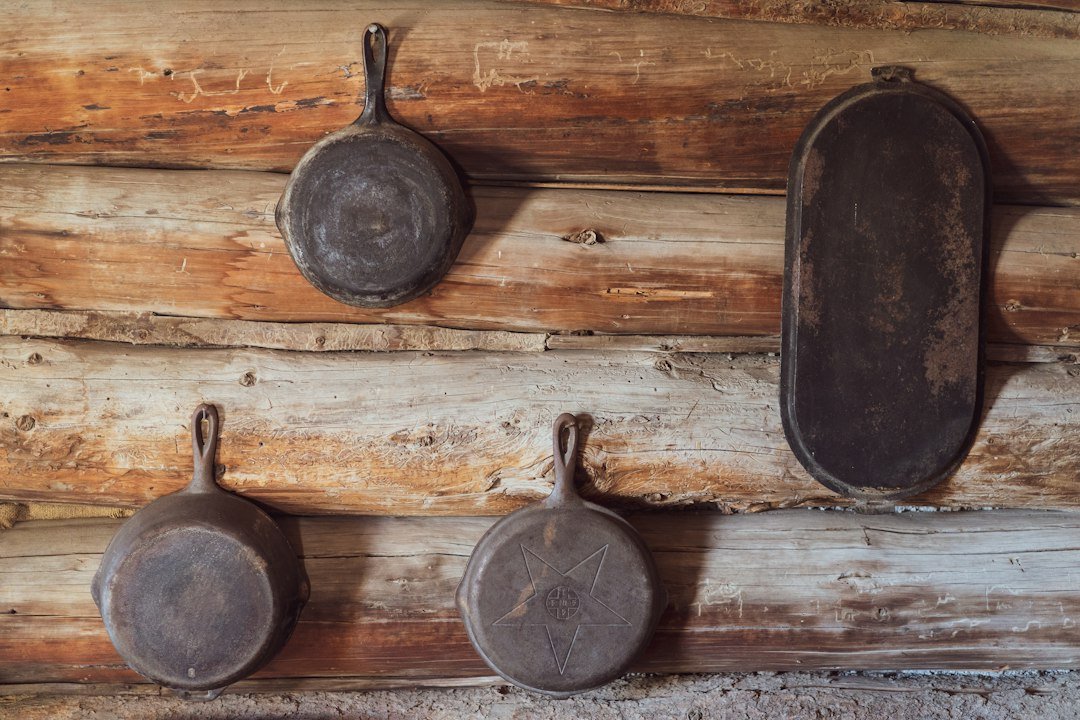
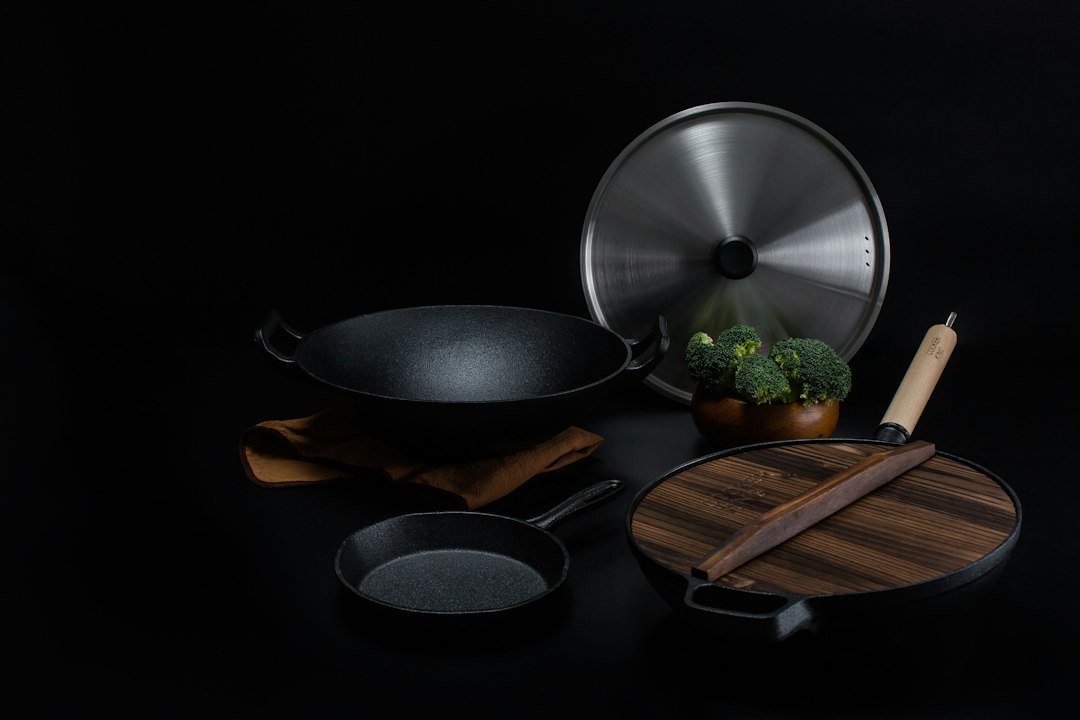
Strengths: exceptional heat retention and naturally nonstick when well-seasoned; great for searing, skillet cornbread, oven-to-stovetop braises. Enameled cast iron adds a non-reactive surface and easier cleaning.
Limitations: heavy; seasoned cast iron isn’t dishwasher-safe; enamel can chip if dropped. Not ideal for delicate eggs unless very well seasoned.
Hard-anodized aluminum
Strengths: lighter than cast iron, durable, good heat conduction; often paired with a nonstick surface. Good middle-ground for everyday cooks who want responsiveness without fragility.
Copper and aluminum (uncoated)
Strengths: fastest, most responsive to temperature changes—preferred for precise sauce work and professional-style control.
Limitations: reactive (can discolor acidic foods unless lined with stainless), typically expensive, require polishing to keep shiny.
Consider your stove and cookware compatibility
Stove type changes the material you should pick. If you have induction, choose magnetic-base cookware—stainless steel with a magnetic core or cast iron. Gas benefits heavy-bottomed pans that withstand open flame. Smooth electric or glass cooktops prefer flat-bottom pans; avoid warped bases.
Buying strategy: set vs. single pieces, and what to prioritize
Ask whether you need a full set or a handful of well-chosen pieces.
- Buy core singles first — A 10–12" skillet, a 2–3 quart saucepan with lid, and a 5–6 quart Dutch oven cover most cooking tasks. Add a second skillet or sauté pan if you cook for several people.
- When a set makes sense — If you’re outfitting a new kitchen or want matching lids and stacking storage, a set provides value and consistent handles. Choose one with the core pieces you use; extras like steamer inserts are often unnecessary.
- Budget tip — Spend most on the pieces you use daily (skillet, saucepan). Lower-cost specialty items can wait.
Maintenance, durability and everyday usability
Think beyond initial performance: weight, handle comfort, lid fit, oven safety, and how each material will age with your habits.
- Heavy pans (cast iron, multi-ply stainless) last but can be tiring to lift—check handle comfort and oven-safe temperatures.
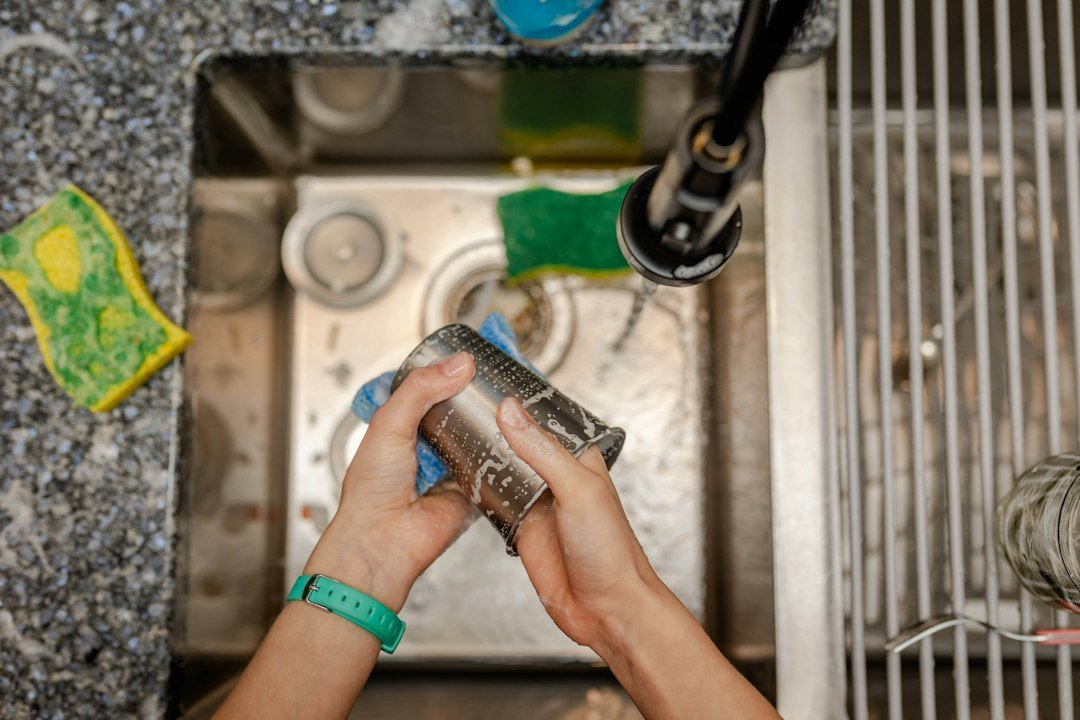
- Nonstick pans need gentler care: avoid metal utensils, high heat, and the dishwasher if the manufacturer warns against it.
- Match lid fit to your techniques—tight-fitting lids are important for braising and simmering.
- Consider set warranties, and whether you prefer replaceable single pieces instead of replacing an entire set when one item fails.
Practical product recommendation for general everyday cooking
If you want a reliable everyday starting point that covers low-stick needs and common family cooking, a high-quality nonstick cookware set reduces friction for weekday meals while keeping cleanup easy. For cooks who prefer searing and pan-sauces, prioritize a heavy stainless or cast-iron skillet as the first single purchase.
Small decisions that change daily cooking
These smaller choices make long-term use pleasant:
- Choose riveted handles for durability; welded handles can be lighter but sometimes less sturdy.
- Flat, thick bottoms reduce hotspots and heat warping.
- Opt for lids with tight seams and an occasional steam vent for pressure control while simmering.
- Consider storage space—stackable sets or removable handles help small kitchens.
When to mix materials in one kitchen
Most home cooks benefit from mixing materials: a nonstick skillet for eggs, a stainless pot for sauces, and a Dutch oven for soups and roasts. That combination keeps daily tasks easy without forcing compromises.
What to avoid or be cautious about
- Cheap nonstick that flakes or warps—spend a bit more for a durable coating.
- Extremely thin pans that heat unevenly—they save money upfront but cause uneven cooking.
- Buying a large set because it’s “on sale” when you really only need two or three pieces.
Where to learn more and related gear
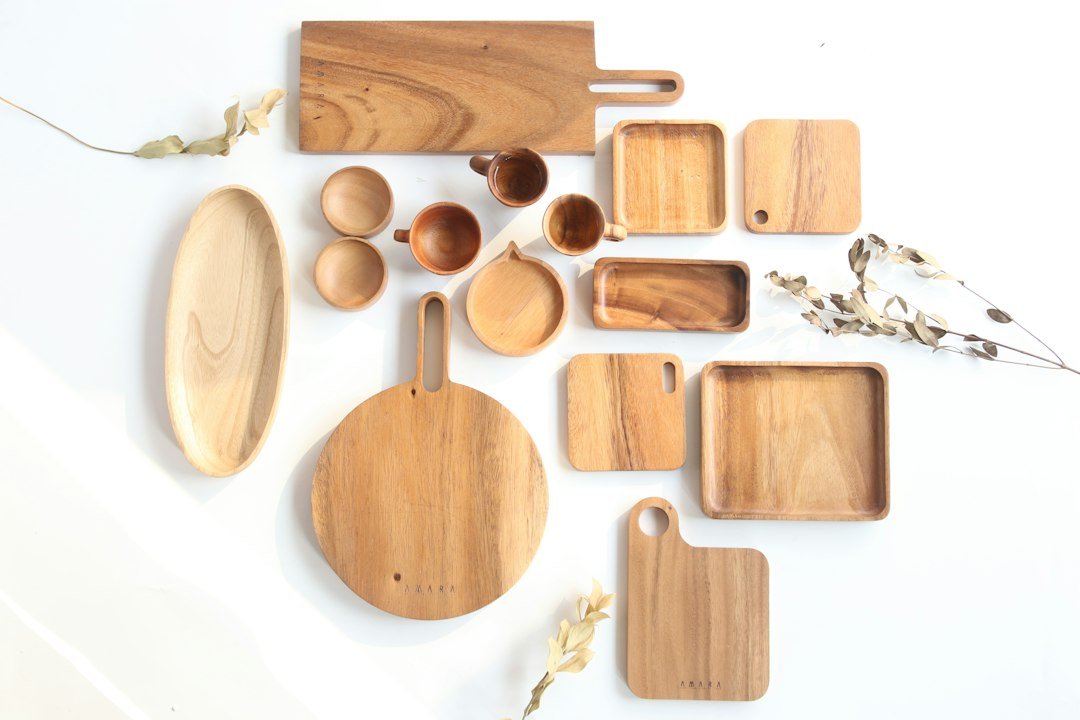
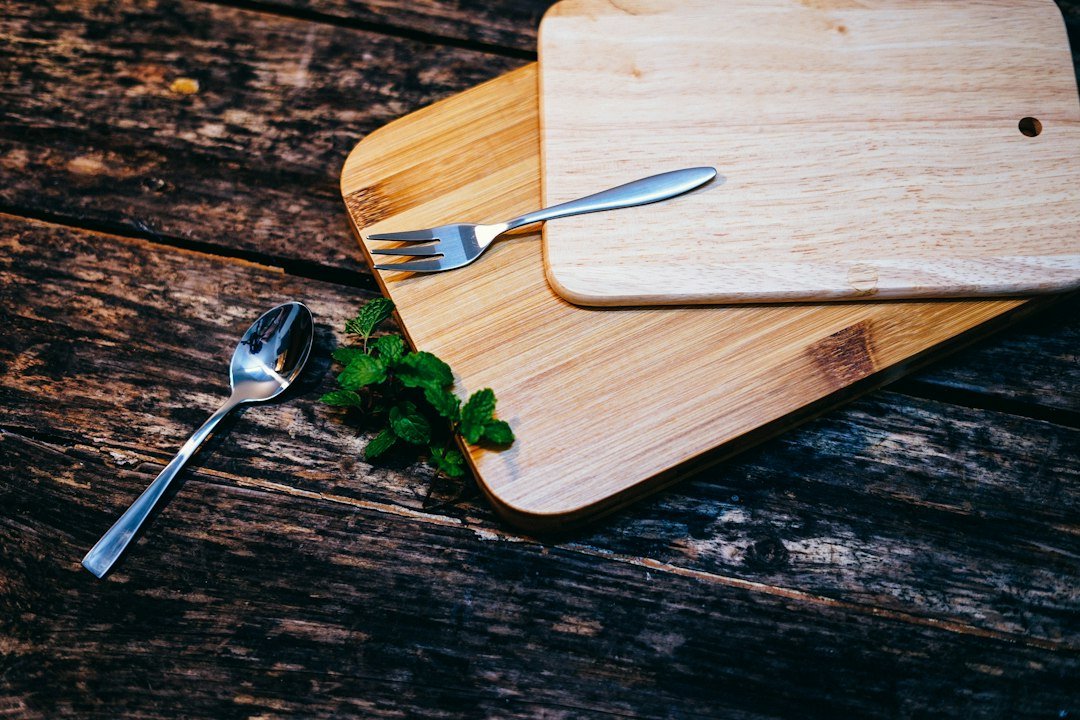
If you’re also choosing complementary kitchen tools—knives, cutting boards, utensils—these guides address matching choices: kitchen knife sets and cutting boards. For storage solutions, see our pot and pan organizers.
Final decision process summary
To choose cookware quickly: identify your main techniques, match materials to those techniques (nonstick for eggs; stainless/cast iron for searing; Dutch oven for braises), check compatibility with your stove, and buy core pieces first. Add specialized pans only when a recurring recipe proves their value.
- List the 3 techniques you use weekly (searing, frying eggs, simmering, etc.).
- Confirm your stove type (gas, induction, glass) and ensure magnetic/flat bases if needed.
- Prioritize one skillet, one saucepan (2–3 qt), and one 5–6 qt braiser/Dutch oven as starters.
- Decide if you prefer low-maintenance nonstick or longer-lasting stainless/cast iron.
- Check handles, lid fit, oven safety, and warranty before buying.
- Avoid large “everything” sets if you don’t use most pieces.
Match cookware to how you cook, not to marketing. Invest in a few well-chosen pieces—skillet, saucepan, Dutch oven—and pick materials that fit your stove and willingness to maintain them. Mix materials for best everyday performance.
Do I need a full cookware set or just a few pans?
Start with a few core pieces you’ll use daily: a 10–12" skillet, a 2–3 qt saucepan, and a 5–6 qt Dutch oven. Buy a set only if it includes the pieces you’ll actually use.
Is nonstick bad and should I avoid it?
Nonstick is safe and convenient when used within its heat limits and cared for properly; it’s excellent for eggs and delicate foods but will wear sooner than stainless or cast iron.
What’s the best material for searing meat?
Cast iron and multi-ply stainless steel hold high heat and promote a good sear; cast iron adds superior heat retention for thicker cuts.
Do I need induction-compatible cookware?
If you have an induction cooktop, choose cookware with a magnetic base (stainless steel with a magnetic layer or cast iron). Non-magnetic aluminum alone won’t work.
How often should I replace nonstick pans?
Replace nonstick cookware when the coating shows scratches, significant flaking, or consistent food sticking; quality pans typically last several years if treated gently.