
What matters (and what you can safely ignore)
If you just bought an air fryer, focus on three things that change results: airflow (don’t overcrowd), temperature vs time (higher temps shorten crisping time), and finishing with a quick shake or flip. You can safely ignore brand marketing about exotic presets or proprietary coatings—most basic models cook the same core range of foods. The rest of these 10 air fryer tips will get you cooking confidently.
1. Preheat when it helps, but don’t overdo it
Preheating for 3–5 minutes at the target temperature helps when you want immediate crisping (frozen fries, thin breaded foods). For slow-baked items or reheating, skip preheat and save power. If your model has a preheat light, use it; otherwise run the unit empty for 3 minutes before adding food.
2. Single layer = even crisping
Air needs space to circulate. Arrange items in a single layer when possible and leave small gaps between pieces. If you have a crowd, cook in batches rather than stacking. For larger items like chicken breasts, place them cut-side down so hot air hits the exposed surface.
3. Learn the "shake, flip, rotate" rhythm
Halfway through most cooks—especially fries, nuggets, or wings—open the drawer and shake, flip, or rotate items. This prevents hot spots and creates even browning. For smaller batches, a 6–8 minute midpoint shake works; for bigger trays, flip individual pieces.
4. Use a little oil — the right way
Contrary to buzz, air frying usually benefits from 1–2 teaspoons of oil per pound, applied sparingly. Use a pump or mister for an even coat; avoid aerosol cooking sprays that can damage nonstick baskets. For breaded items, toss with oil before coating to help crumbs adhere and brown.
5. Adjust temperatures for crisp vs tender
Think of temperatures as zones: 350°F–375°F for tender cooking (fish, vegetables), 380°F–400°F for fast crisping (fries, wings). If a recipe is for oven at 400°F, drop 15–25°F and shorten time 20–25% as a starting point. Use an instant-read thermometer for proteins—165°F for chicken, 145°F for pork chops—to avoid overcooking.
6. Use compatible accessories to expand what you can cook
Wire racks, crisper trays, and small cake pans let you stack or bake in the basket. Make sure any accessory fits your unit’s dimensions and is oven-safe. If you plan to roast whole chickens or bake, a rack that elevates the food gives better airflow and crisper skin.
When space is limited but you want reliable results, a compact slim model like the Bella 4Qt is a solid starter. It fits small kitchens and handles daily tasks—air frying fries, reheating leftovers, and cooking small batches of proteins—without taking over the counter.
7. Avoid soggy breading—dry, then oil
Wet batter doesn’t crisp well in an air fryer. For battered items, freeze briefly on a tray to set the coating before cooking, or use a dry breadcrumb or panko coating brushed lightly with oil. This helps the air form a crisp crust instead of a steamed coating.
8. Master frozen foods: no thaw needed, small tweaks
Most frozen fries, nuggets and fish sticks go straight into the basket. Add 3–5 minutes to the package directions and shake midway. If your air fryer tends to run hot, lower the temp by 10–15°F to prevent burning the outsides before the insides heat through.
9. Clean regularly—don’t wait for a mess
Wipe the drawer and basket after each use once cool; soaking removes stuck-on crumbs. Empty the drip tray weekly and check heating elements for grease. Regular cleaning prevents smoke and preserves the unit’s performance. Avoid harsh scouring pads that scratch nonstick coatings.
10. Safety and practical timing tips
Keep the air fryer at least several inches from walls or cabinets because exhaust can be hot. When cooking fatty foods (sausage, bacon), place a small drip tray under a rack so grease doesn’t pool and smoke. For family meals, time batches so the first batch rests while the second cooks—the air fryer is fast, but it’s not a giant oven.
Quick sample conversions (common foods)
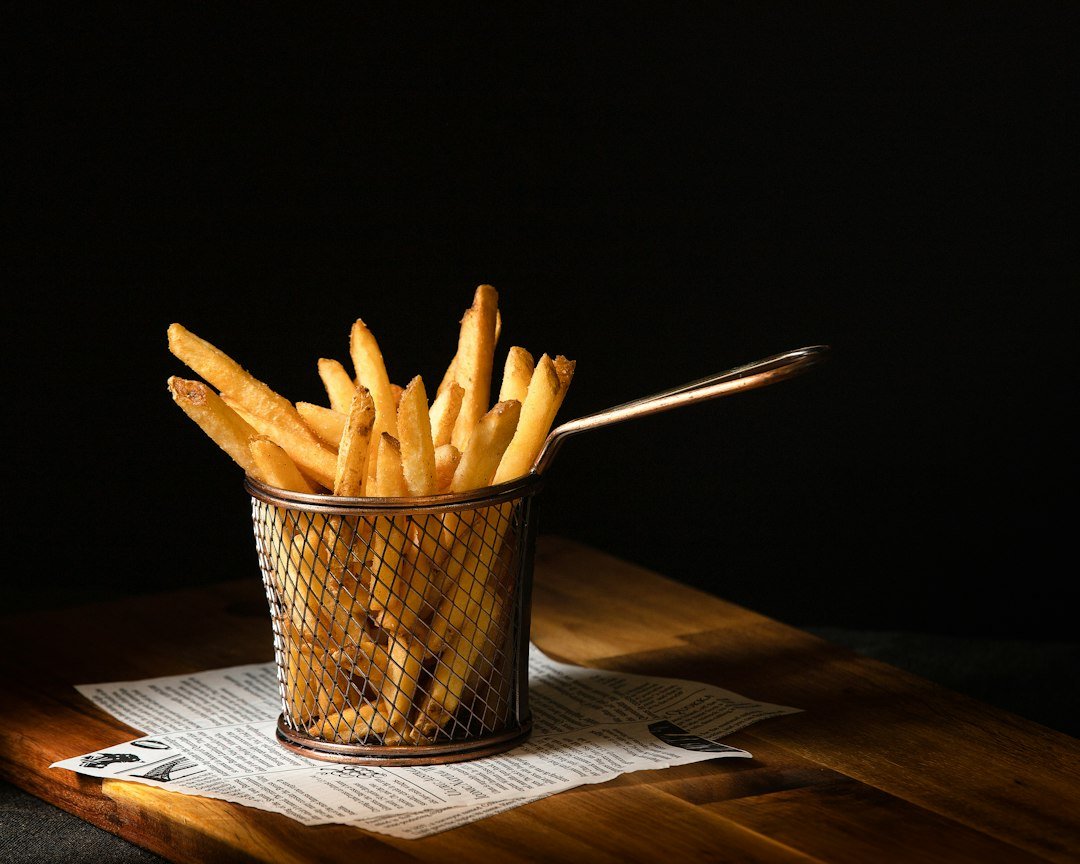
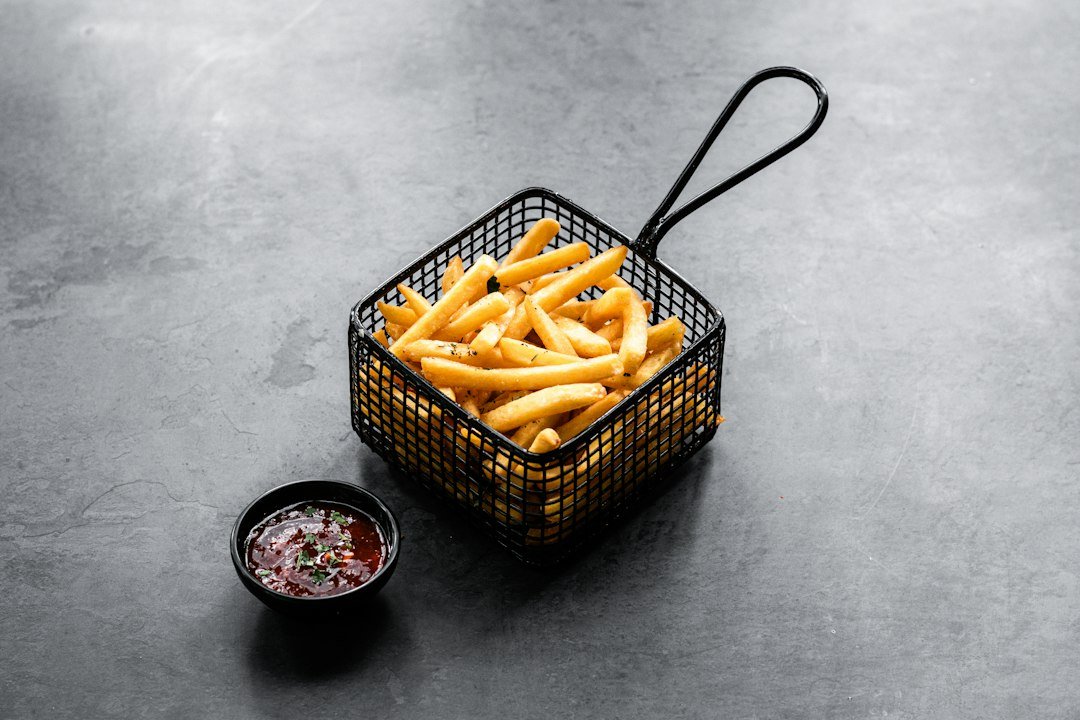
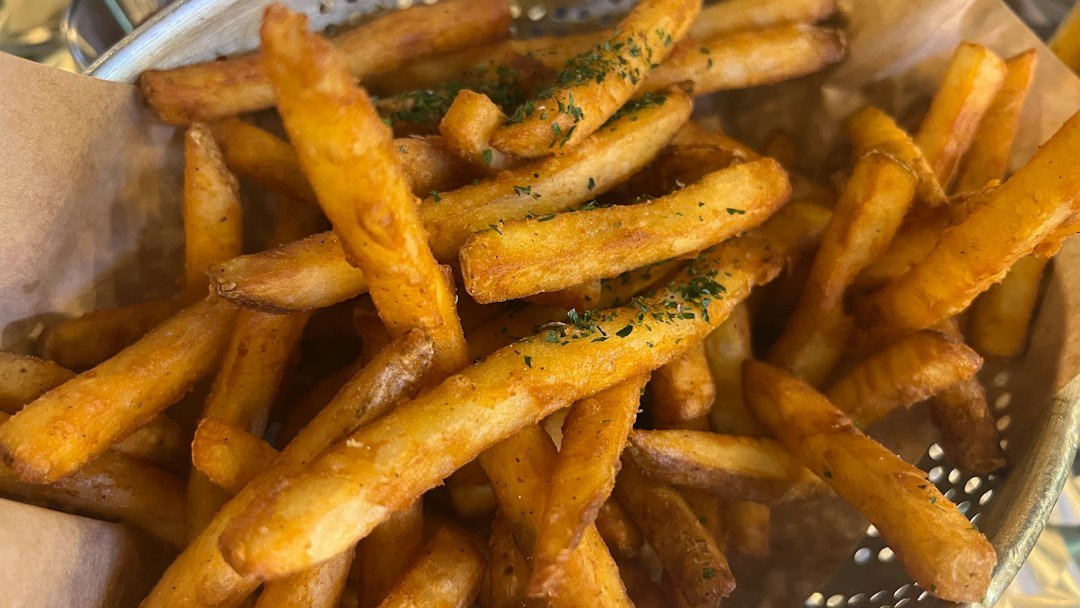
- Frozen fries: 380°F, 12–18 minutes, shake at 8 minutes.
- Chicken wings: 380°F, 20–25 minutes, flip at 10 minutes.
- Salmon fillet: 350°F, 8–10 minutes, check for 125–130°F for medium.
- Vegetable medley: 375°F, 10–15 minutes, toss once mid-cook.
- Read your manual for capacity and max temperature.
- Measure items so they fit in a single layer or plan batches.
- Have a small spray oil or pump bottle on hand.
- Keep tongs and an instant-read thermometer nearby.
- Clean basket and tray after each use to prevent smoke.
Focus on space, airflow, and modest oil use: cook in single layers, shake or flip mid-cook, and slightly reduce oven temps/time when adapting recipes. A compact 4–6 quart air fryer suits most beginners and fits small kitchens.
Do I need to preheat an air fryer?
Not always. Preheat 2–5 minutes when you want immediate crisping (frozen foods); skip it for slow bakes or reheating.
Can I use parchment or foil?
Yes—use perforated parchment or create small vents in foil and only when the food is weighted down; don’t cover vents or block airflow.
How much oil should I use?
About 1–2 teaspoons per pound of food applied evenly; a pump or mister gives better coverage than aerosol sprays.
Will an air fryer replace my oven?
Not entirely—air fryers excel at small, high-heat tasks and quick reheats but aren’t ideal for very large roasts or multi-rack baking.
How do I stop food from sticking?
Lightly oil the basket or the food, and avoid overcrowding; for delicate items, place on a small rack or parchment with holes.