
Practical first question: how many people are you feeding regularly?
Start with the real-world routine, not the specs. The single best shortcut to choosing an air fryer size is matching capacity to how you cook: weeknight dinners for two, regular family meals, or batch-cooking for meal prep. If you already own an oven and just want a second, smaller appliance for snacks, a compact model may work. If you replace the oven for certain meals, size up.
What the numbers mean: quarts, baskets and trays
Manufacturers usually list capacity in quarts. But quarts alone don’t tell the whole story—shape and layout matter. A 4–5 quart basket is deep and good for a batch of fries or a small chicken breast; a 12–14 quart oven-style model spreads food across flat trays and can handle a whole chicken or multiple items at once.
- Basket (single drawer) — best for straightforward batches like fries, nuggets or a few pork chops.
- Dual-basket or divider — lets you cook two different foods at different times or temperatures without mixing flavors.
- Oven/air-fryer combo (wide trays) — better for sheet-pan meals, whole roasts, or rotisserie functions.
Quick capacity rules of thumb
Use these common-sense ranges as a starting point for average families; adjust up if you often entertain or cook in large batches.
- 1–2 people: 2.5–3.5 quarts — compact, fits a single dinner portion or snacks.
- 2–3 people: 3.5–5 quarts — most versatile for couples, small families, or single large portions.
- 3–5 people: 5–8 quarts — handles a few chicken breasts, a pound or two of fries, multiple servings.
- 5+ people or batch-cooking: 10–14+ quarts or oven-style — roast whole chicken, multiple trays, meal prep for the week.
Use-case scenarios: choose by how you cook
Think about what you cook most; that should outweigh pure family headcount.
Quick snacks, sides and single-dish dinners
If you mainly reheat, make fries, or cook single portions, a 3–4.5 quart basket is efficient, heats fast, and saves counter space.
Family dinners and mixed plates
For two adults plus one or two kids, a 5–7 quart model reliably cooks one-pan dinners (vegetables + protein) without crowding. Crowding prevents crisping, so slightly oversize rather than undersize when in doubt.
Meal prep and entertaining
If you batch-cook for lunches or host often, pick a 10–14 quart oven-style or a large 12-quart multicooker. These can hold multiple sheet trays or a whole roast and free up your main oven during holidays.
Different foods, same time
Dual-basket units are useful when you want fries and chicken cooked simultaneously at different times or temperatures. They’re especially good for households with varying tastes or dietary needs.
Counter space, storage and noise: practical constraints that change size choice
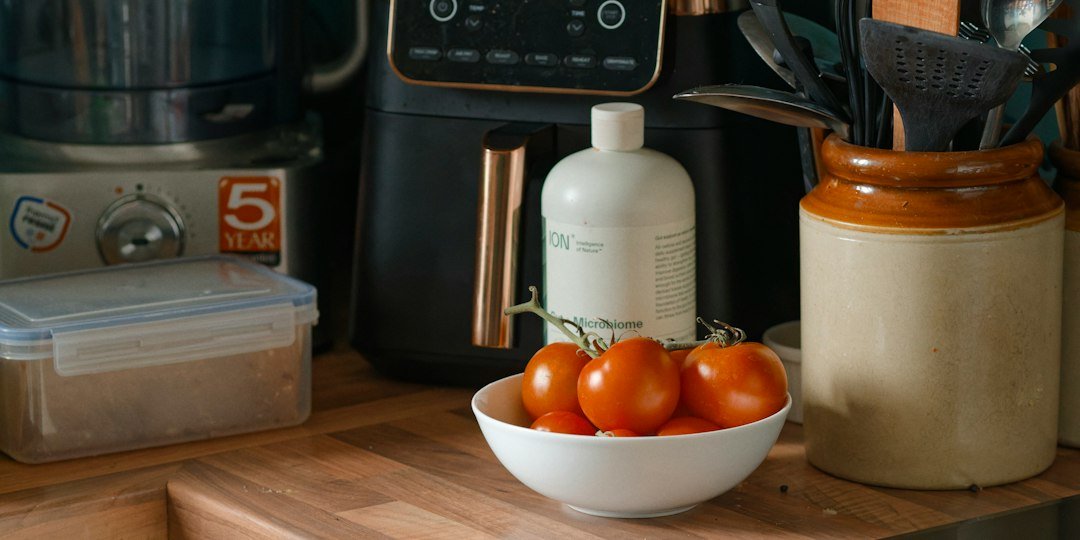
Measure where the air fryer will live. A 12-quart oven-style model may need 20–25 inches of counter depth and extra clearance for the door; compact baskets fit on tighter counters. Also consider storage—if you don’t plan to keep it out, a lighter, compact fryer is easier to stow.
Noise and heat matter: larger models often have stronger fans and produce more ambient heat, which can be an issue in small kitchens.
Performance trade-offs and cooking times
Smaller baskets heat and crisp faster because food is tightly concentrated; large oven-style units may take longer to preheat but cook more at once. If you value speed for single meals, a mid-size basket (4.5–6 quarts) is often the best compromise.
Durability, cleaning and accessories
Look for removable, dishwasher-safe baskets or racks and nonstick coatings with reputations for longevity. Consider whether the model includes accessories (air-fry baskets, rotisserie spit, tray liners)—they can expand what the appliance does without buying a bigger unit.
When to pick a specific product
After you decide capacity and form factor, pick a model that matches needs and floor plan. For many families, a mid-size multifunction unit gives the most flexibility; for frequent batch cooks, an oven-style model is worth the space.
This 12-quart Chefman model suits families who need oven-style capacity—roasts, multiple trays and rotisserie—while keeping air-fryer convenience. Choose it if you plan to cook whole chickens or multi-tray meals regularly.
The Cuisinart 4.5-quart model is a compact, reliable option for couples or small families who need a dependable everyday air fryer without taking over the counter.
How to test whether a size fits before buying
Measure the counter area and the height clearance for the fryer’s door or lid. Visualize the real meal: a whole chicken, a tray of roasted vegetables, or two portions of fries—would those fit comfortably without crowding? If possible, compare product dimensions to an actual plate or baking pan you own.
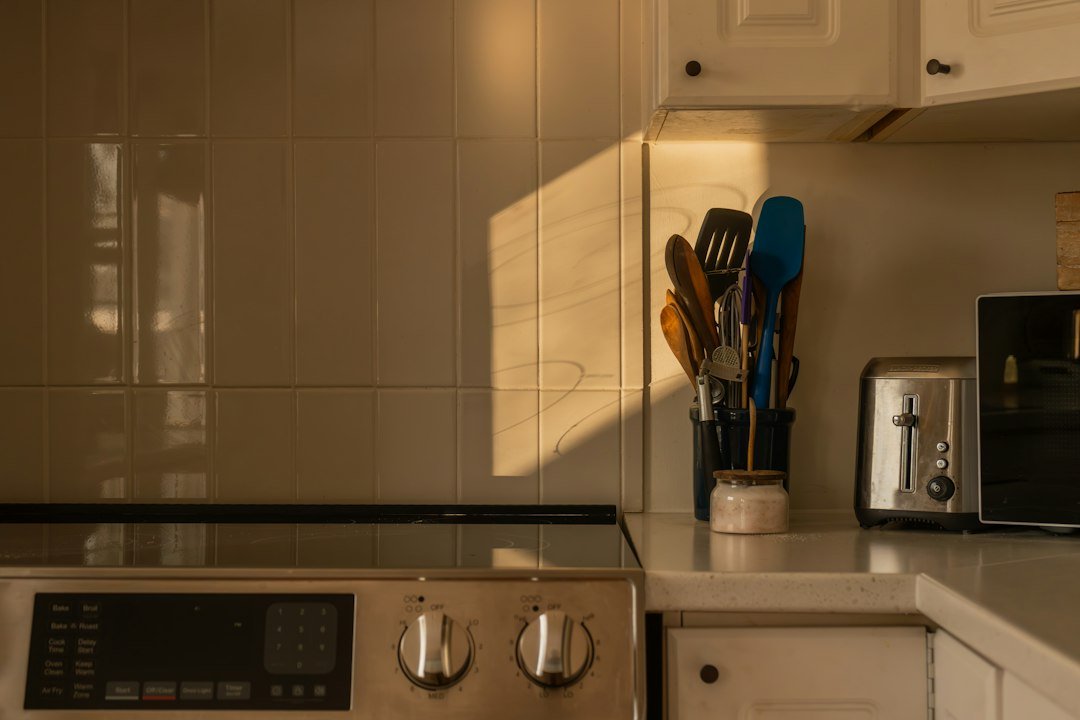
- Measure counter depth, width and clearance where the fryer will sit.
- Note your usual meal types: snacks, single-dish dinners, whole roasts or meal prep.
- Decide whether dual-basket or oven-style best fits cooking variety needs.
- Confirm removable parts are dishwasher-safe and replacement parts are available.
- Consider storage: will you keep the fryer out or tuck it in a cabinet?
Choose capacity by the meals you actually cook, not just family headcount: compact for snacks and singles, mid-size for everyday family dinners, and large oven-style for batch cooking and roasts. Factor counter space and cleaning in your final decision.
How many quarts do I need for a family of four?
For routine family meals, 5–8 quarts is a practical range; choose toward 8 quarts if you want to avoid crowding or cook multiple servings at once.
Is a dual-basket air fryer worth it?
Yes if your household regularly needs to cook two different foods simultaneously or wants to avoid flavor transfer; it’s less necessary if you mainly make single-dish meals.
Can an air fryer replace my oven?
For many smaller meals and roasts, a large oven-style air fryer can replace the oven; for large holiday roasts or baking, a full oven still has advantages.
Do bigger air fryers take longer to cook?
Larger units often have longer preheat times and may cook slightly slower per item, but they compensate by handling larger volumes in one batch.
What’s the easiest way to check fit at home?
Measure the appliance dimensions on the product page and compare them to a plate, baking sheet, or the clearance space where it will sit; simulate with a cardboard cutout if unsure.