
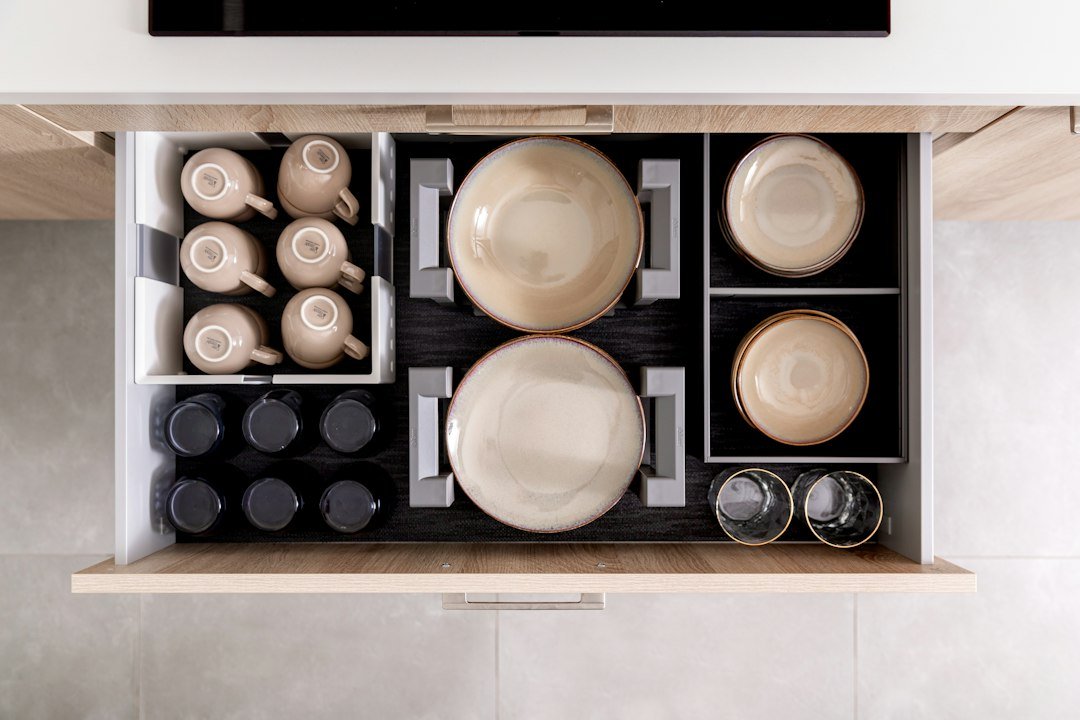
Start with the result: an easy-to-reach cabinet where every pot, pan and lid has a place
Organize pots and pans so you can grab the skillet or matching lid in one motion: stack similar pans, store lids vertically, and use slides or separators to avoid heavy lifting and jammed cabinets. The goal is faster cooking and fewer scratched pans—not just a tidy shelf.
Assess your cabinet and inventory before buying anything
Measure the interior width, depth and height of the cabinet and note obstructions (shelves, pipes, toe kicks, or a garbage disposal above). Count the pieces you use regularly versus seasonal items. Prioritize everyday pieces: a 10–12" skillet, saucepan with lid, large stockpot and a couple baking sheets should get the most accessible spots.
Choose a layout that matches your cabinet type
Base cabinets with full depth: stack pans nested by size on a turned-on-edge shelf, with lids stored vertically behind them. Shallow or narrow cabinets: use vertical storage or a small slide-out rack so each pan is visible. Cabinets with limited height: store lids flat in a shallow tray and hang hanging pans from the underside of the upper cabinet if possible.
Low-cost organization methods that work immediately
- Nested stacking with felt or silicone pan protectors: nest frying pans and place thin protectors between them to prevent scratches.
- Vertical lid storage using a simple file rack or tension rod: stand lids like folders so you can pull the right one without lifting a stack.
- Use a tiered cooling-rack or plate organizer for baking sheets and cutting boards at the back of a cabinet.
When to add hardware: slide-outs, racks and dividers
Hardware reduces bending and rummaging. For most small cabinets, one of these solves the main problems:
- Pull-out pan organizer (under-shelf or floor-mounted): slides the whole stack out—best in deep base cabinets and for heavy cookware.
- Vertical divider rack: keeps lids and sheet pans upright and accessible in narrow spaces.
- Door-mounted lid holder: adds storage on the inside of the cabinet door, freeing shelf space—great when door thickness and hinge clearance allow it.
For a single reliable choice that fits many small cabinets, consider an under-cabinet/under-shelf pots and pans organizer that installs quickly and gives easy access without permanent modification.
How to install a simple slide-out pan organizer (practical sequence)
- Clear the cabinet and place a towel on the bottom to protect finishes.
- Assemble the organizer per instructions and test-fit without screws to ensure clearance for doors or hinges.
- Mark pilot holes at the recommended mounting points. Use a level so the rack slides straight.
- Screw the base in place, attach the sliding mechanism and test the motion empty, then with a single pan to confirm alignment.
- Load heavier items toward the back of the sliding shelf to maintain balance and keep everyday pans at the front.
Specific placement strategies so everything stays usable
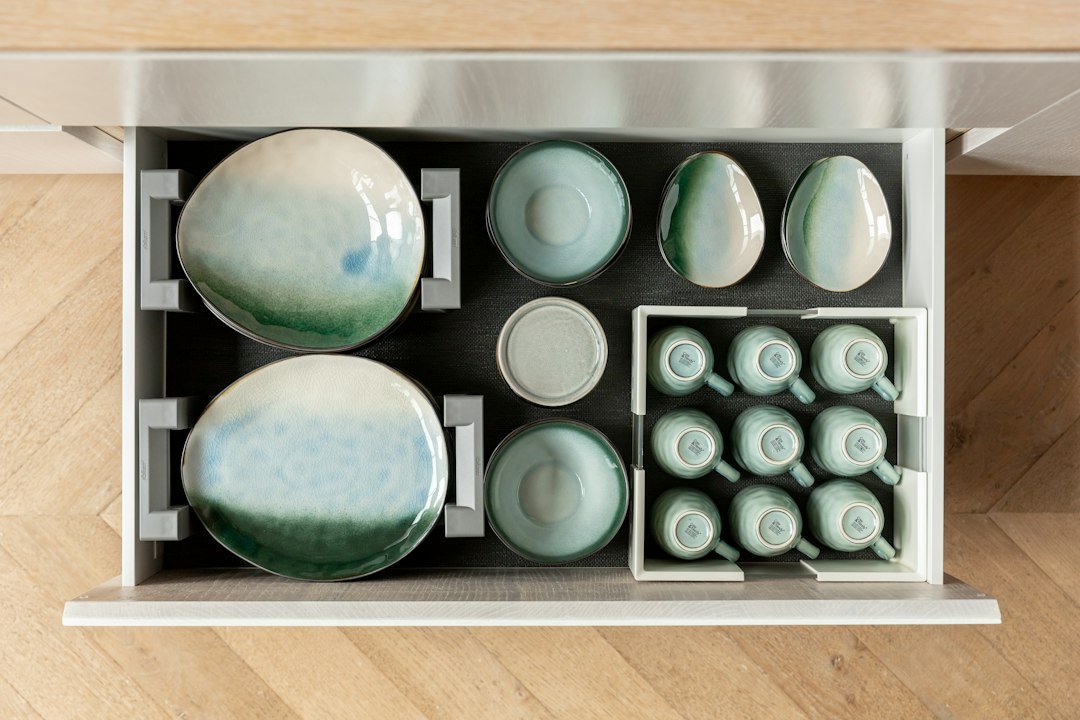
Place frequently used frying pans and cookware at the front and higher on the shelf; reserve the back and bottom for stacked or seasonal pieces. Store lids vertically just inside the cabinet door or on a rear upright divider—this keeps lids visible and prevents a toppling stack.
Protect cookware and reduce noise and damage
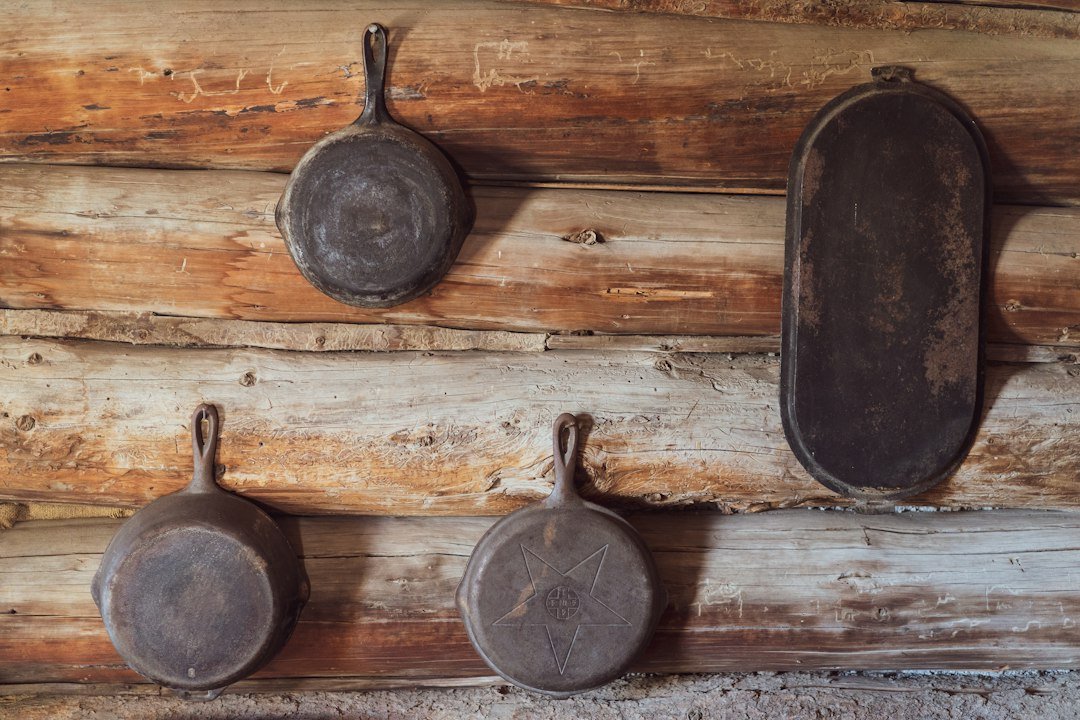
Use silicone or felt pan protectors between nested pans and a butcher-block liner on the cabinet floor. For cast iron, keep it in its own shallow tray to catch oil and avoid contact with metal hardware that could scratch the seasoning.
Troubleshooting common small-cabinet problems
Problem: Pans tip when you pull one out
Solution: Add a divider or non-slip mat on the shelf; anchor a narrow vertical rack so pans rest against a stable surface.
Problem: Lids take up horizontal space
Solution: Switch to vertical lid storage using a file rack or tension rod, or mount a slim door organizer designed for lids.
Problem: Hinges block slide-out hardware
Solution: Use low-profile slide hardware or a floor-mounted pull-out instead of under-shelf units; measure hinge swing before purchasing.
When to rehome or pare down cookware
If a pot or pan hasn’t been used in a year and it’s taking a prime spot, consider donating or storing it elsewhere. Keep only the cookware that matches your current stove and cooking style—the most versatile pieces free up the most space.
Small decisions that make day-to-day use better
- Orient pan handles to the same side so you can grab without looking.
- Label the inside edge of shelves for “everyday” versus “occasional” to keep rotation consistent.
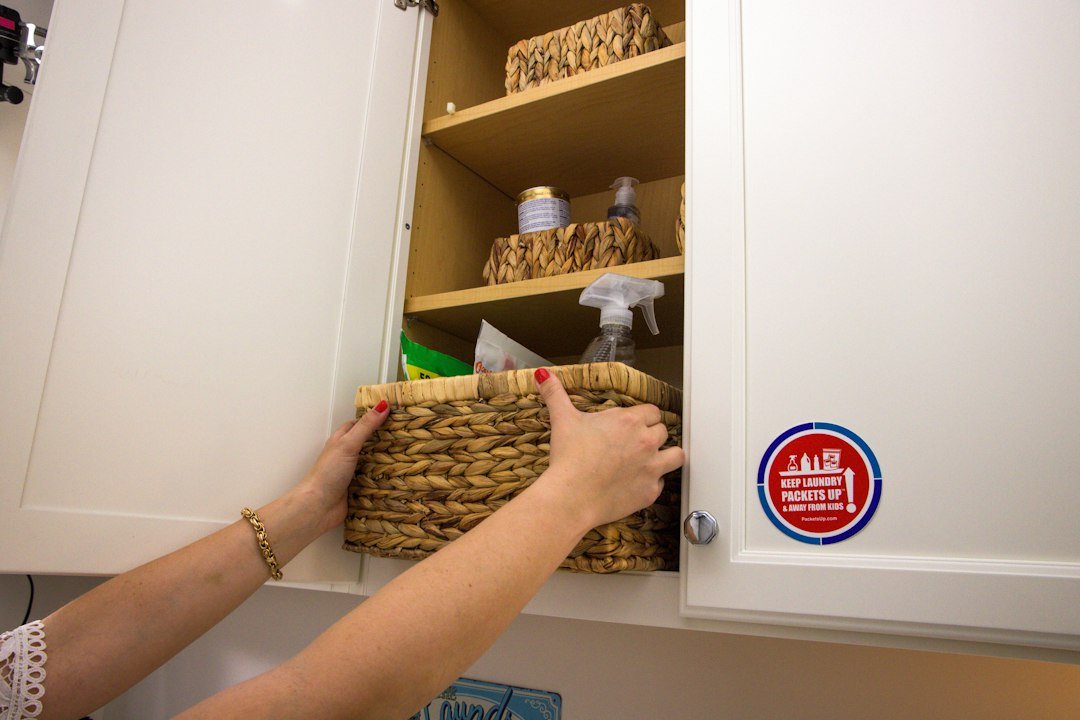
- Keep a single small basket for lids that pair with awkwardly sized pots—prevents mismatches.
- Measure cabinet interior and note hinge or pipe obstructions.
- Sort cookware into everyday vs. seasonal piles.
- Decide between nesting with protectors, vertical storage, or a slide-out rack.
- Choose hardware that clears hinges and fits cabinet depth.
- Install with a level; test with a weighted pan before full loading.
Organize pots and pans by pairing an honest inventory with the right storage mode: nest safely, keep lids vertical, and add one piece of hardware if access is the real problem. Small tweaks—handle orientation, felt protectors, and a door-mounted holder—make daily cooking smoother without expanding your cabinets.
How do I store lids in a small cabinet?
Store lids vertically in a file-style rack, on a tension rod, or in a door-mounted holder so they’re visible and take up less horizontal space.
Are slide-out organizers worth it for small cabinets?
Yes—if you struggle to reach items or move heavy cookware, a slide-out reduces bending and keeps everything accessible; choose low-profile models for shallow cabinets.
How should cast-iron be stored in a cramped cabinet?
Keep cast-iron separate on a shallow tray or shelf with felt between pieces to preserve seasoning and prevent rust from contact with moisture or metal hardware.
Can I mount anything on the inside of a cabinet door?
Lightweight lid racks or magnetic strips work well if the door is solid and hinges have clearance; avoid heavy items unless the door is reinforced.
What size organizer should I buy for a narrow cabinet?
Match the usable interior width and depth—measure inside-to-inside and allow at least 1/2" clearance for smooth sliding; choose vertical dividers for cabinets under 14" wide.