
What you’ll have after organizing a small kitchen without adding cabinets
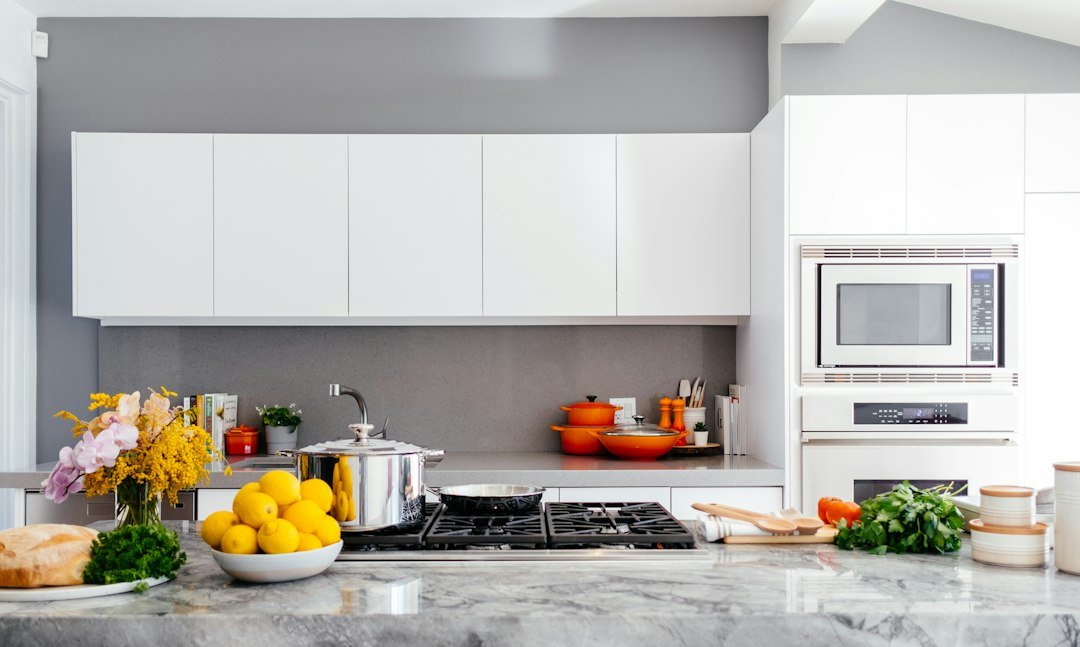
The result: cleared counters, easy-to-reach cooking zones, and visibly smaller clutter—all accomplished by rearranging, adding slim organizers, and changing habits rather than building new cabinets. Below is a practical sequence you can follow in a weekend plus one evening of maintenance.
Start by deciding the working zones and what really belongs in each
Before buying anything, stand in the kitchen and map your daily flow: where you prep, where you cook, where you wash, and where you store food. “Zone” items to those locations—store cutting boards, knives and prep bowls near your counter prep area; keep pots, pans and lids by the stove; place dish soaps and trash bags under the sink. This reduces cross-room trips and exposes which items are redundant.
Declutter with quick, practical rules
- Three-week test: box seldom-used items. If you don’t miss them in three weeks, donate or sell.
- One surface rule: if an item doesn’t belong to a kitchen surface (like mail or random chargers), remove it immediately and set a home elsewhere.
- Limit duplicates: keep one good chef’s knife, one reliable cutting board, and avoid multiples of specialty gadgets unless you use them weekly.
Use vertical and under-shelf space to free counters
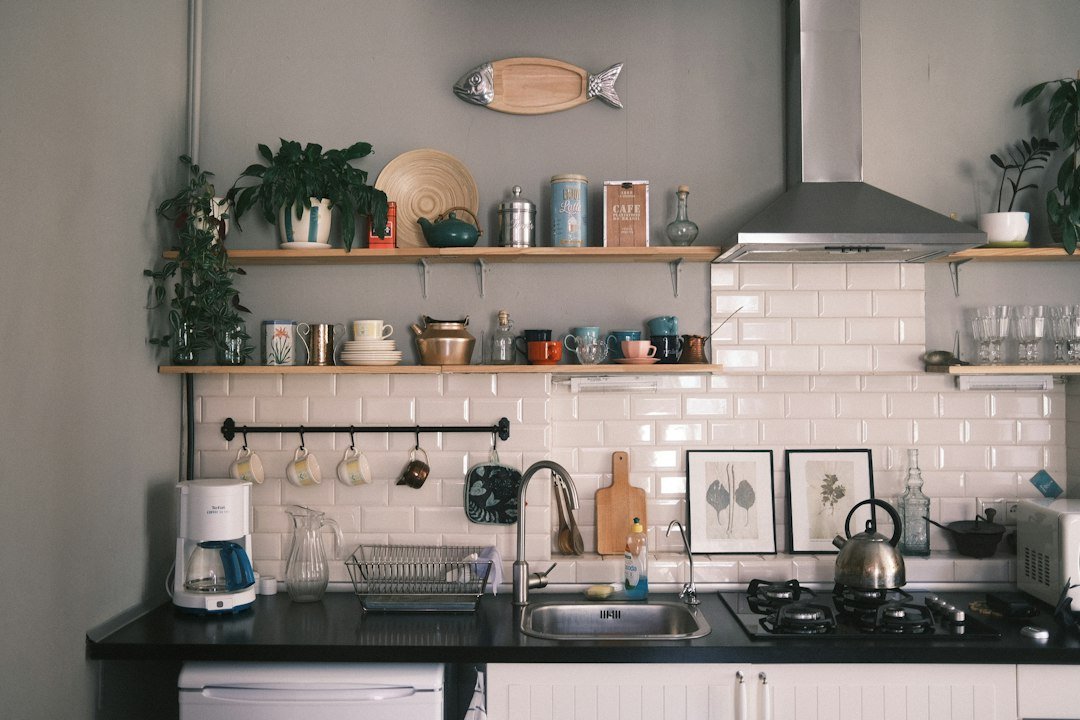
Vertical storage multiplies small kitchens’ usable area. Install under-shelf racks, short open shelves, or a wall bar for hooks to lift mugs, utensils and lightweight pans off counters and out of cabinet floors. The same footprint often holds double the items when you stack vertically.
Practical placements:
- Under-shelf rack beneath an existing shelf for mugs and spice jars—no drilling into studs required for most adhesive or clamp models.
- Magnetic knife strip mounted above the prep counter to remove the knife block from valuable surface area and keep knives reachable.
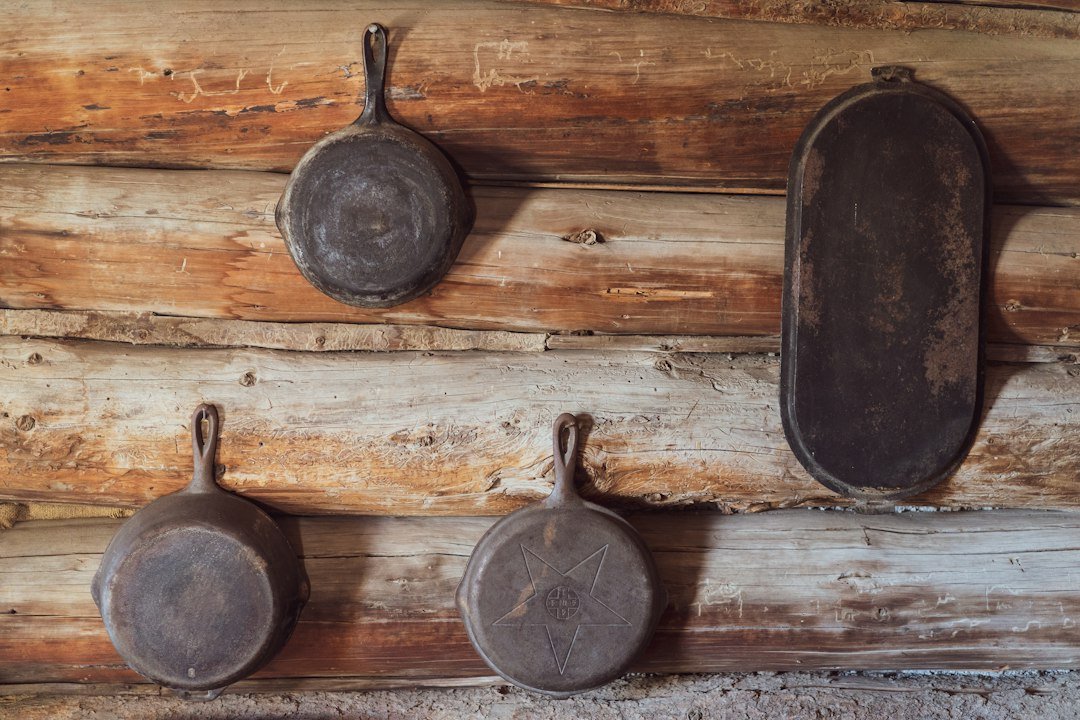
- Wall hooks or a narrow hanging rail above the stove for frequently used pans and utensils, which shortens reach and air-dries cookware.
Make drawers and cabinet interiors work harder
Switch from “put it on the shelf” to “design inside the shelf.” Add inexpensive dividers, tiered trays and clear bins so every item has a defined place. For drawers, use adjustable inserts: group utensils by use, put baking tools together, and keep daily cutlery at the front.
Inside cabinet doors, install shallow racks for spices, plastic wrap, or lids—this uses dead space the way a tiny pantry shelf would.
Optimize pots, pans and lids without new cabinets
Pots and pans are bulkier than they need to be. Aim to store lids vertically in a narrow rack or on a door-mounted organizer and stack pans by size with a single nonstick protector or felt divider between each.
Product suggestion: if you need a compact under-cabinet or cabinet-floor solution, an expandable pots-and-pans organizer that stands upright makes lids and pans accessible and reduces stacked instability.
Use one or two multi-use organizers rather than many single-purpose gadgets
Rather than buying several niche products, pick organizers that solve multiple problems: an under-shelf rack that fits mugs and spices, a pull-out under-sink shelf for cleaners and trash bags, or a slim rolling cart that tucks beside an appliance. These choices are easier to integrate and reassign when needs change.
Clear the counter with appliance triage
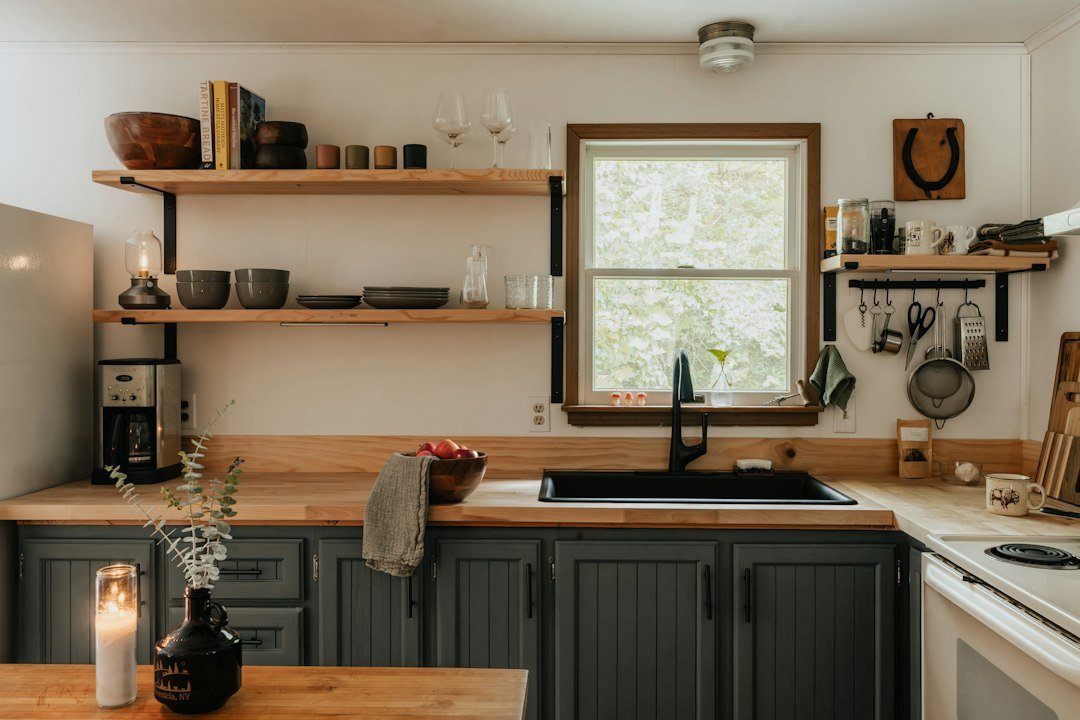
Decide which small appliances you use at least twice a week; they stay on the counter. Everything else goes into a nearby cabinet, a rolling cart, or a labeled bin. For items used monthly, store them in higher cabinets or a hall closet to keep kitchen surfaces usable for daily tasks.
Pantry and food storage: visibility beats stacking
Use clear, stackable containers for dry goods and label them. Reserve the lower shelves for heavier, frequently used staples. Rotate cans and jars forward; keep a small basket for lunchbox items so they don’t scatter across shelves.
Keep the system working: easy maintenance habits
Once organized, a 10-minute weekly reset prevents slide-back: wipe counters, return items to designated spots, and quickly sort any incoming clutter. Re-evaluate every season and swap organizers if your cooking habits shift.
Troubleshooting and adaptations for common constraints
- For renters who can’t drill: use heavy-duty adhesive hooks, tension rods inside lower cabinets, and freestanding slim carts.
- For very narrow kitchens: prioritize wall-mounted options and narrow rolling carts that can slide into gaps next to appliances.
- For households with kids: store breakables higher and keep a low “kid zone” basket with safe dishware for independence and less clutter.
When to consider adding one built solution
If after these steps you still lack storage for basic cookware or pantry items, a single investment—like a shallow open shelf above the sink or a mounted pot rail—often delivers the most benefit per dollar without the cost and disruption of new cabinets.
- Map your prep, cook, wash and storage zones.
- Box and test seldom-used items for three weeks.
- Install one vertical organizer (under-shelf rack or rail).
- Rework one drawer with inserts and one cabinet door with a shallow rack.
- Triage appliances: keep only daily-use units on the counter.
- Set a 10-minute weekly reset on your calendar.
You can dramatically free space and reduce kitchen friction by rationalizing what stays in each zone, using vertical and under-shelf solutions, and choosing one versatile organizer instead of many single-use items. Small changes plus simple maintenance yield big, lasting gains.
How can I store lids for pots and pans in a small kitchen?
Store lids vertically using a narrow rack or an inside-of-door organizer; this saves horizontal shelf space and makes lids easier to match with pans.
What’s the best way to free counter space quickly?
Remove nonessential appliances, mount a magnetic knife strip, and hang mugs or utensils on a rail to immediately open up usable surface area.
Are adhesive hooks reliable for renters?
Yes—many heavy-duty adhesive hooks hold mugs or utensils safely; choose high-quality brands and follow application instructions for best adhesion.
Which single product gives the most storage bang for the buck?
A sturdy under-shelf rack or an expandable pots-and-pans organizer provides immediate vertical storage and can serve multiple purposes in tight kitchens.
How often should I reassess my kitchen layout?
Do a quick reassessment each season or whenever your cooking habits change—this keeps the system aligned with actual use.