
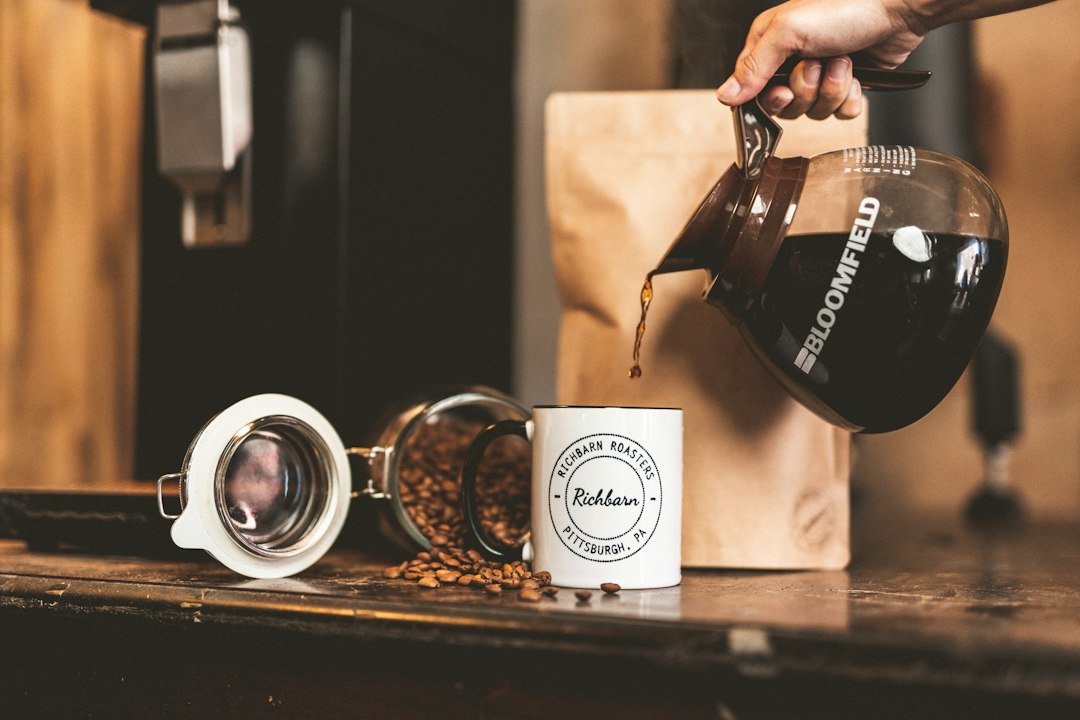
It’s 7:30 a.m. You press “brew,” pour a cup, and — disappointment. Bitter, thin, or flat: the coffee you imagined never arrives. Most mornings like this aren’t the result of bad beans alone; they’re a string of small brewing mistakes. Fix the common ones and your regular cup will improve dramatically.
A quick answer: which coffee brewing mistakes matter most
Start by checking five variables that control extraction: grind size, dose, water temperature, water quality, and timing. The eleven mistakes below explain how those variables get misused and what to do instead so your coffee tastes balanced, not sour or overbitter.
1. Using stale beans — why fresh matters and how to store them
Problem: Beans lose volatile aromatics and oxidize within weeks, producing flat, dull coffee.
Why it matters: Freshness dramatically affects flavor clarity, sweetness and aroma — the very things that make coffee feel satisfying.
Better approach: Buy whole beans in small amounts, store them in an airtight container away from light and heat, and use within 2–4 weeks of roast. Grind only just before brewing.
2. Grinding too coarsely or finely for your method
Problem: Wrong grind yields under-extracted (sour, weak) or over-extracted (bitter) coffee.
Why it matters: Extraction speed depends on surface area. Espresso, pour-over, French press and drip all need different particle sizes.
Better approach: Match grind to method—espresso (fine), pour-over (medium-fine), drip (medium), French press (coarse). If flavor is sour, go finer; if bitter, go coarser. Use a burr grinder for consistent particles.
3. Eyeballing coffee instead of weighing it
Problem: Spoon measures and scoops vary wildly.
Why it matters: Inconsistent dose changes strength and extraction. One day’s “scoop” can be the next day’s weak cup.
Better approach: Use a coffee brewing scale and follow a ratio—start with 1:15–1:17 (1 gram coffee to 15–17 grams water). For a 12-ounce (340 g) cup, that’s 20–23 g of coffee.
4. Brewing with water that’s too hot or too cool
Problem: Boiling water scalds; lukewarm water under-extracts.
Why it matters: Extraction chemistry is temperature-sensitive; ideal range pulls the right soluble compounds.
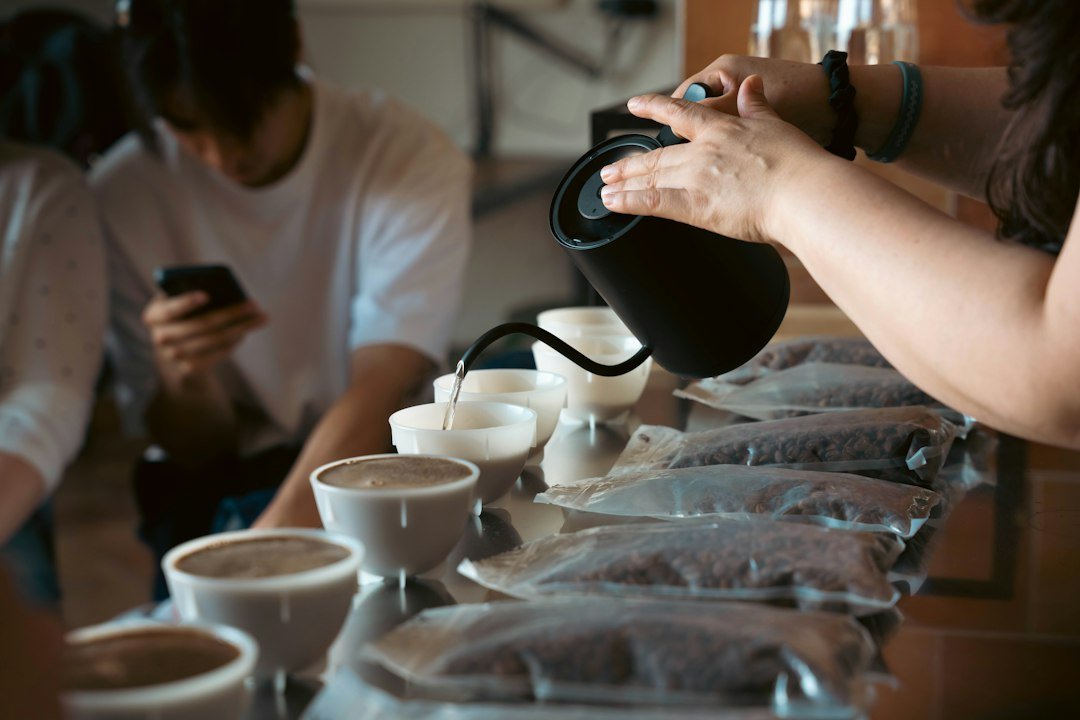
Better approach: Aim for 195–205°F (90–96°C). Let a full boil sit 30–45 seconds before pouring, or use a thermometer or kettle with temperature control.
5. Ignoring water quality
Problem: Hard water causes flat extraction and scale buildup; chlorinated tap water alters taste.
Why it matters: Water is ~98% of your cup—impurities and mineral balance shape flavor and extraction efficiency.
Better approach: Use filtered water with moderate hardness. Bottled spring or a good home filter usually works; avoid distilled water (it extracts poorly).
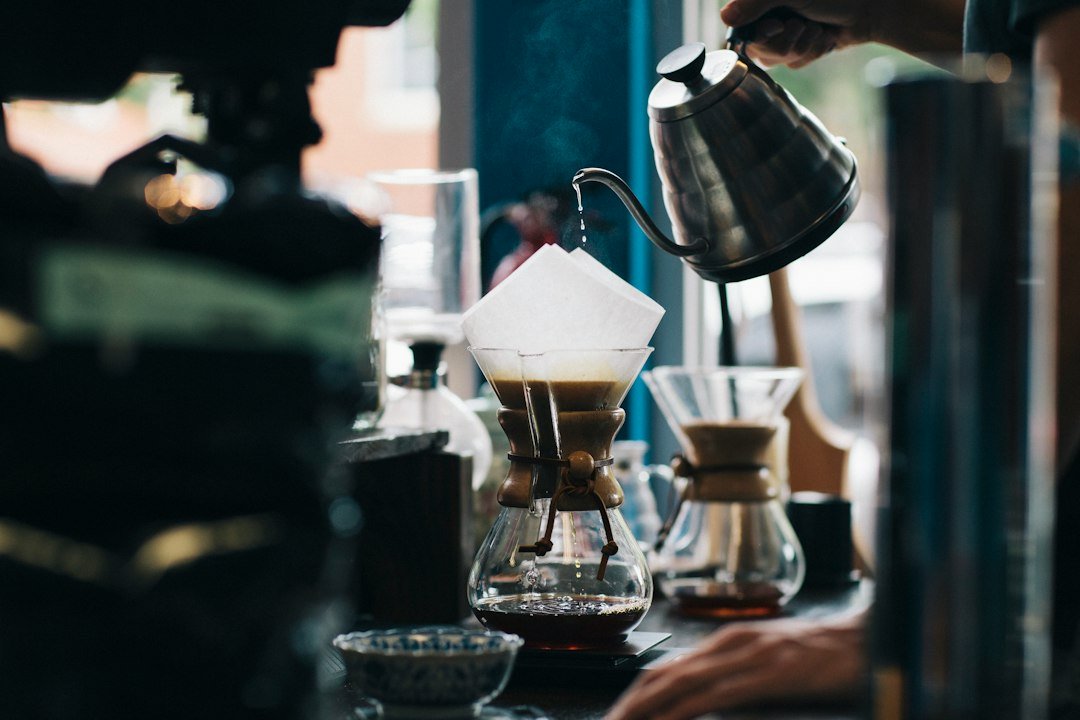
6. Rushing the brew or skipping a bloom
Problem: Fast pours and no bloom trap CO2 and prevent even extraction in pour-over and drip.
Why it matters: Freshly roasted coffee off-gasses CO2; a short bloom lets gases escape and wets grounds evenly.
Better approach: For pour-over, pour just enough water to wet grounds and wait 30–45 seconds before continuing. For immersion methods, let the coffee steep for the recommended time (French press ~4 minutes).
7. Not cleaning equipment regularly
Problem: Residual oils and old grounds harbor rancid flavors that transfer to new brews.
Why it matters: Even small buildup changes taste and can make consistently brewed coffee unpleasant.
Better approach: Backflush espresso machines, descale kettles, wash brewers and carafes after each use, and deep-clean grinders monthly to remove oil buildup.
8. Using the wrong filter or paper without rinsing
Problem: Fine papers can impart papery flavors; un-rinsed filters alter extraction.
Why it matters: Paper fibers and dust change the clarity and taste of the cup; rinsing also preheats the brewer.
Better approach: Rinse paper filters with hot water before brewing and consider metal filters when you want more body — accept the trade-off of more oils and sediment.
9. Overfilling the brewer or brewing too large for your method
Problem: Pour-over cones and small brewers perform poorly when overfilled; water flow and extraction suffer.
Why it matters: Equipment design determines optimal bed depth and flow rate—overloading changes contact time and channeling.
Better approach: Respect recommended batch sizes and geometric limits on cones/carafes. Brew in single batches sized to the filter and gear.
10. Relying on pre-ground coffee for daily use
Problem: Pre-ground loses freshness quickly and has inconsistent particle sizes compared with fresh grinding.
Why it matters: Less aroma and control; packaged ground coffee is convenient but often stale.
Better approach: If convenience forces pre-ground, buy the smallest sealed package possible and use it quickly. Prefer whole beans and a home grinder whenever possible.
11. Expecting one “perfect” recipe for every coffee
Problem: Different origins, roast levels and processing methods extract differently; a recipe that works for one bag may disappoint with another.
Why it matters: Variety in beans means variable solubility and flavor profile; stubbornly sticking to a single grind/dose ignores that reality.
Better approach: Treat brewing as experimentation. Start with a baseline (1:16 ratio, recommended grind for method, 195–205°F), then adjust grind and dose in small steps based on taste.
Practical gear pick: If you want an easy, consistent way to eliminate several common mistakes—especially uneven extraction and variable brew time—the Bonavita 8 Cup Drip Coffee Maker (ID 5379) is a reliable, well-ranked drip brewer that heats water to the right range and keeps brew time steady for carafe-style coffee.
- Buy whole beans and use within 2–4 weeks of roast.
- Weigh coffee and water with a scale; start at 1:16 ratio.
- Match grind size to brewing method and adjust for taste.
- Use filtered water at 195–205°F; rinse paper filters.
- Clean grinder, brewer and kettle regularly.
Small, repeatable fixes—fresh beans, the right grind, accurate dosing, proper water and clean equipment—solve most disappointment in a morning cup. Tweak one variable at a time and you’ll taste improvements fast.
How long after roasting are beans considered fresh?
Beans are generally freshest within 3–14 days after roast for peak degassing and up to about 2–4 weeks for good flavor; after that, aroma and sweetness decline.
What grind should I use for pour-over vs French press?
Pour-over prefers medium-fine to medium; French press needs a coarse grind to avoid over-extraction and excessive sediment.
Can I use tap water for coffee?
Yes if it tastes neutral and has moderate mineral content; if your tap water tastes chlorinated or hard, use filtered water for better flavor and less scale.
How much coffee should I use per cup?
Start with a 1:15–1:17 coffee-to-water ratio; for a 12-ounce cup (about 340 g water) that’s roughly 20–23 g of coffee.
Is a burr grinder worth it?
Yes—burr grinders produce a consistent particle size essential for predictable extraction and better-tasting coffee compared with blade grinders.