
Picture this: a weeknight, 6:15 p.m., kids hungry and you hunting for a cutting board while a pan is stuck under a pile of lids.
If you want faster, easier meal prep, the goal is predictable flow: the right tools and ingredients where you reach for them, clean surfaces ready to work, and simple systems that reduce decision time. This guide shows how to organize your kitchen for faster and easier meal prep, step by step, from zones to product choices and small habits that save real minutes.
What you’ll end up with
A kitchen arranged into a few purpose-built zones (prep, cook, serve, storage), tools and common ingredients stored by use, clear work surfaces, and one or two organizers that eliminate awkward stacking. Meal prep moves in a straight line: plan → gather → prep → cook → store.
Map your kitchen into functional meal-prep zones
Before moving anything, stand in the center and trace the sequence you follow to make a meal. Convert that mental path into physical zones:
- Prep zone: near sink and garbage for washing and chopping; include a clear counter area and your main cutting board and knives.
- Cook zone: adjacent to the stove—pots, pans, utensils, and oils should live here.
- Serve zone: a small staging area for plates, serving bowls, and salt/pepper.
- Dry storage/pantry: bulk staples, canned goods and dry grains grouped by category.
- Fridge/freezer station: commonly used containers, sauces and proteins on the most reachable shelves.
Group tools and ingredients by the action you perform, not by type alone. If you always grab herbs at the same time as olive oil, keep them close to the stove.
Clear and prioritize countertops
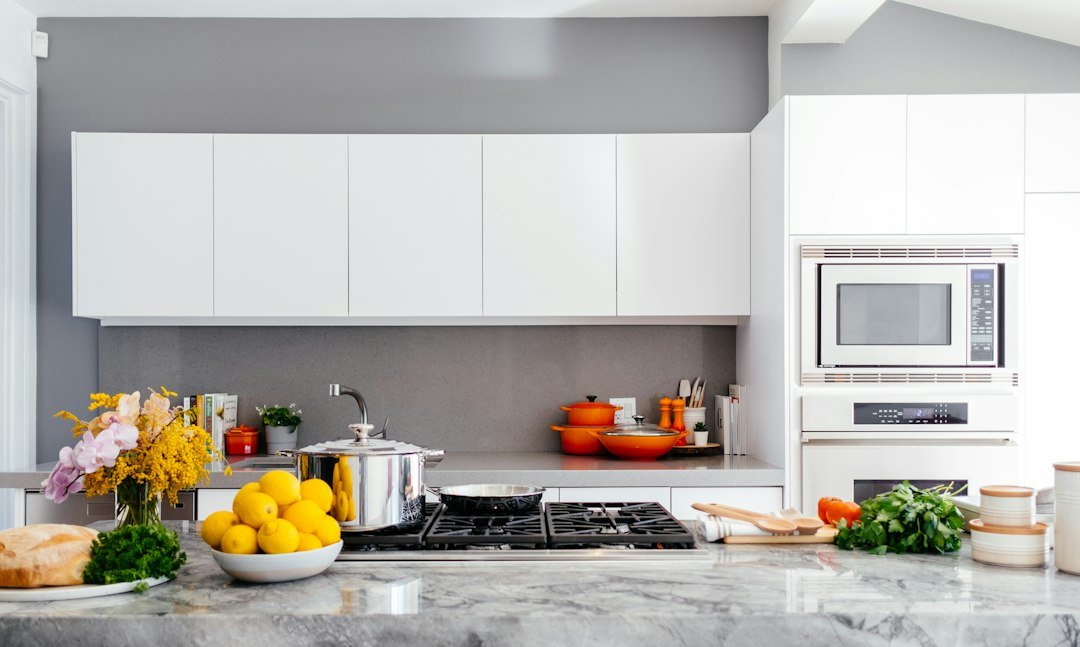
Keep one clear countertop for full prep. Remove single-use or seldom-used appliances from that surface and relocate them to a cabinet or pantry shelf. Keep these items on the prep counter:
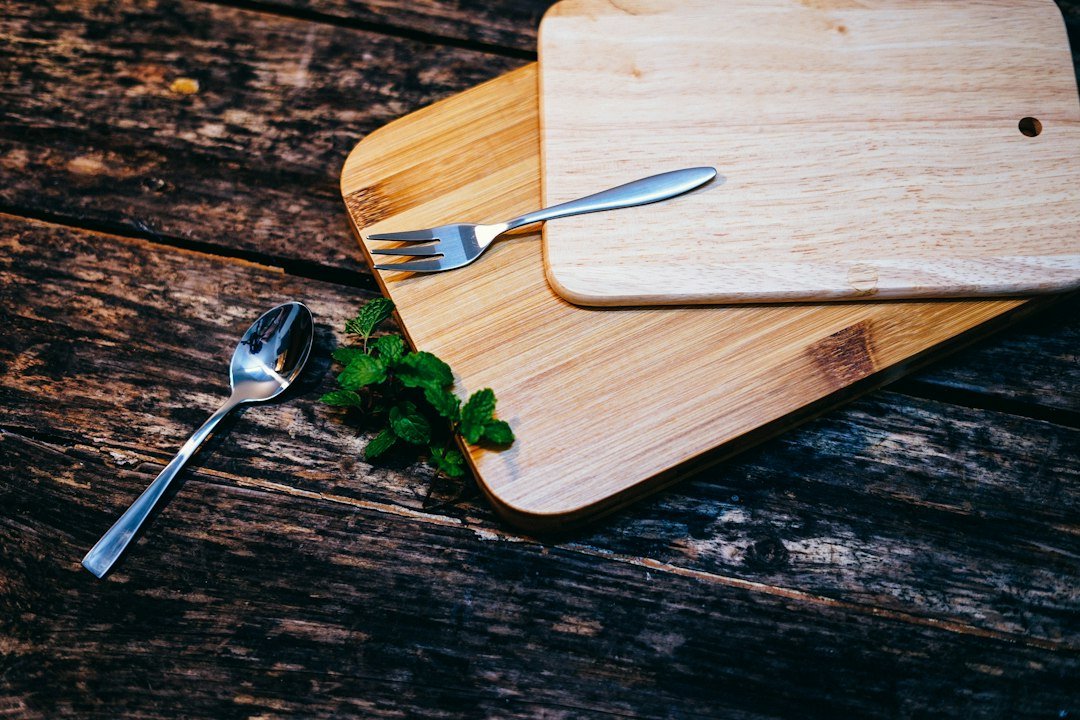
- One go-to cutting board (store vertically at the counter edge or in a board holder).
- Knife block or magnetic strip within arm’s reach.
- A small bowl for compost/trimmings and a towel.
Store less-used gadgets—rice cooker, microplane, waffle iron—behind doors. The visual and physical clutter of multiple appliances slows you down.
Make drawer and cabinet layouts task-focused
Fit each drawer/cabinet to a role instead of mixing utensils with odds and ends.
- Utensil drawer: fork, spoon, spatula, tongs—divide with organizers so you always find the right tool.
- Smaller drawer for prep gadgets: vegetable peeler, zester, measuring spoons.
- Pots and pans cabinet: use a 5-tier pot and pan organizer to stop nesting and make lids visible. This saves time hunting and reduces re-stacking after cooking.
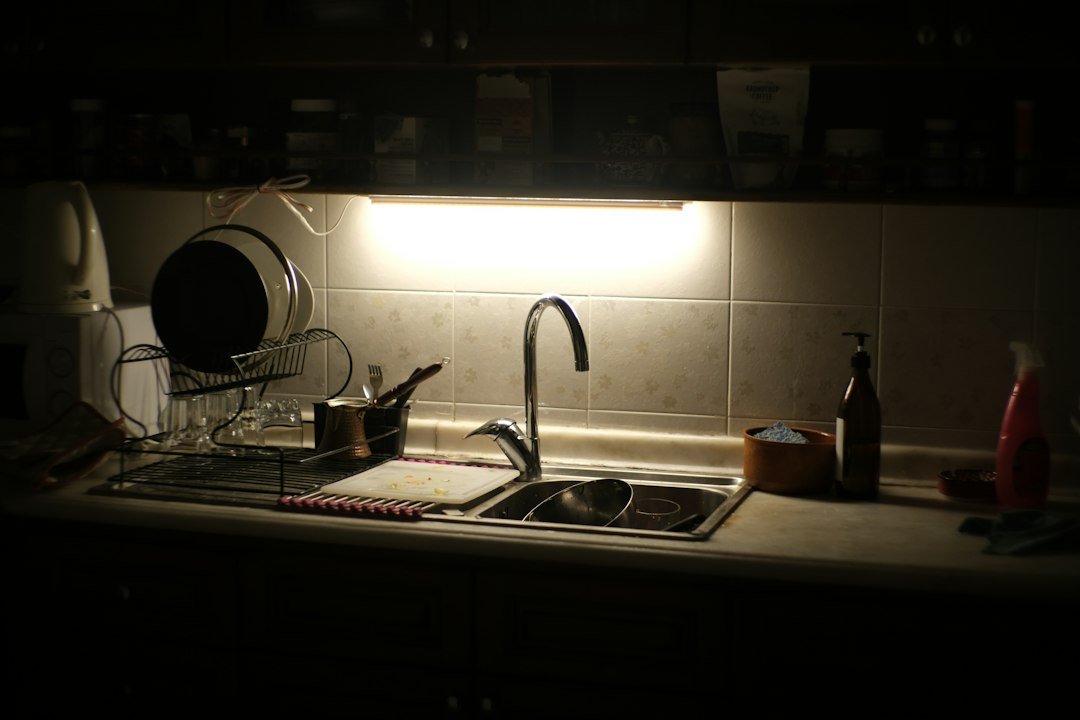
- Under-sink: keep dish soap, scrubbers, and a trash bag supply, not random kitchen junk.
Organize the pantry and fridge for quick decision-making
Visibility beats perfect categorization. Use clear, labeled containers for frequently used dry goods (rice, oats, flour) and keep snack items at a kid-friendly height. In the fridge:
- Top shelf: ready-to-eat foods and leftovers.
- Middle: dairy and prepared items you’ll use for meals.
- Bottom: raw meats in a tray to avoid drips.
- Door: condiments and small bottles.
Batch similar items together—wraps and sandwich fixings in one bin, salad toppings in another—so you grab the whole set for a meal at once.
Set up a simple spice and seasoning system
Reduce decision friction by placing your 12–20 most-used spices near the stove in a compact rack or drawer. Label the jars and keep less-used spices in a separate shelf. If you follow recipes, keep salt, pepper, olive oil, and one go-to hot sauce immediately by the cook zone.
Adopt a small set of storage containers and a choreography for leftovers
Choose 4–6 sizes of clear, stackable meal-prep containers so leftovers have predictable homes. Keep lids and bases stored together—use a lid organizer or store lids vertically. Immediately after cooking, portion into containers on the serve zone: it makes cleanup part of the finishing step and reduces fridge clutter.
Introduce one product that changes the workflow
If your cabinets are dominated by nested cookware, a dedicated pot and pan organizer transforms retrieval and return. For most kitchens, a vertically stacked 5-tier organizer is the highest-impact fix—no more wobbly stacks and buried lids.
Small habits that lock the system in place
- 5-minute reset after cooking: wipe the prep counter, return tools to their zones, stack containers.
- Keep a running shopping strip on your phone or a magnetic list on the fridge—replenish staple containers as soon as they are low.
- Rotate ingredients forward: when you restock, move older items to the front for visibility.
Troubleshooting and adaptations
- No extra counter space? Build a mobile prep cart or use a large cutting board over the sink to temporarily gain working area.
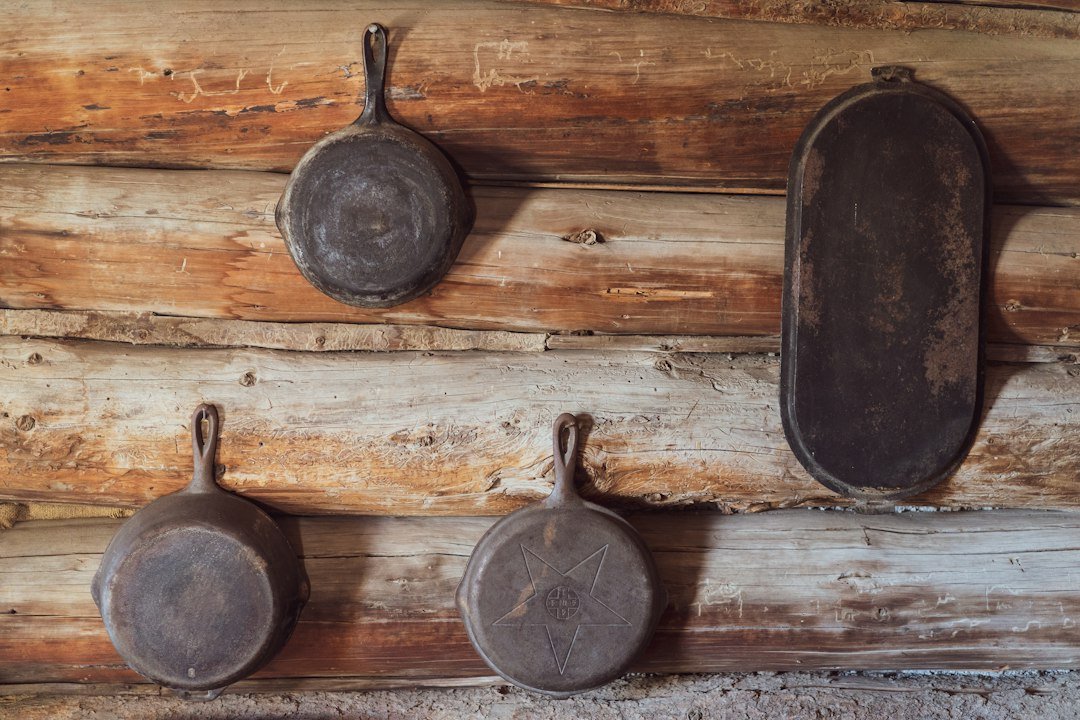
- Limited cabinet height? Store pans vertically against a side panel or use hanging pot racks if wall space allows.
- Shared space with housemates? Use labeled baskets for each person’s meal-prep containers and assign a single weeknight “kitchen captain” role to keep systems consistent.
Quick reference: what to change first
- Clear one dedicated prep counter and place knife and cutting board there.
- Install or buy a pot and pan organizer to stop nesting cookware.
- Group and label pantry staples into clear containers.
- Set a 5-minute reset after every meal.
- Identify and assign your prep, cook, serve, and storage zones.
- Clear one counter and store only essential prep items there.
- Install a pot and pan organizer to stop stacking delays.
- Use clear, labeled containers for pantry staples and leftovers.
- Create a 5-minute post-cook reset routine.
Organizing your kitchen for meal prep is about flow: put tools and ingredients where you act, clear a reliable workspace, and buy one high-impact organizer such as a pot and pan rack. Small layout changes and a short reset habit will cut minutes off every meal.
How much counter space do I need for efficient meal prep?
One clear stretch of 18–24 inches is enough for basic prep; add a portable board over the sink for extra room. The key is an uninterrupted surface devoted to chopping and assembling.
Which kitchen items should I keep closest to the stove?
Keep your most-used pans, spatulas, cooking oils, and frequently used spices within arm’s reach of the stove to minimize trips during cooking.
Are drawer dividers necessary?
Yes—dividers make it fast to find the right utensil and prevent items from shifting, which saves time and frustration during busy cooks.
How do I keep my organization system from falling apart?
Do a 5-minute reset after each meal, replenish staples immediately, and periodically reassess which items you reach for most to keep zones aligned with your habits.
Can small kitchens still benefit from these changes?
Absolutely. In small kitchens, vertical storage, a mobile prep cart, and strict decluttering of counter appliances deliver the biggest gains.