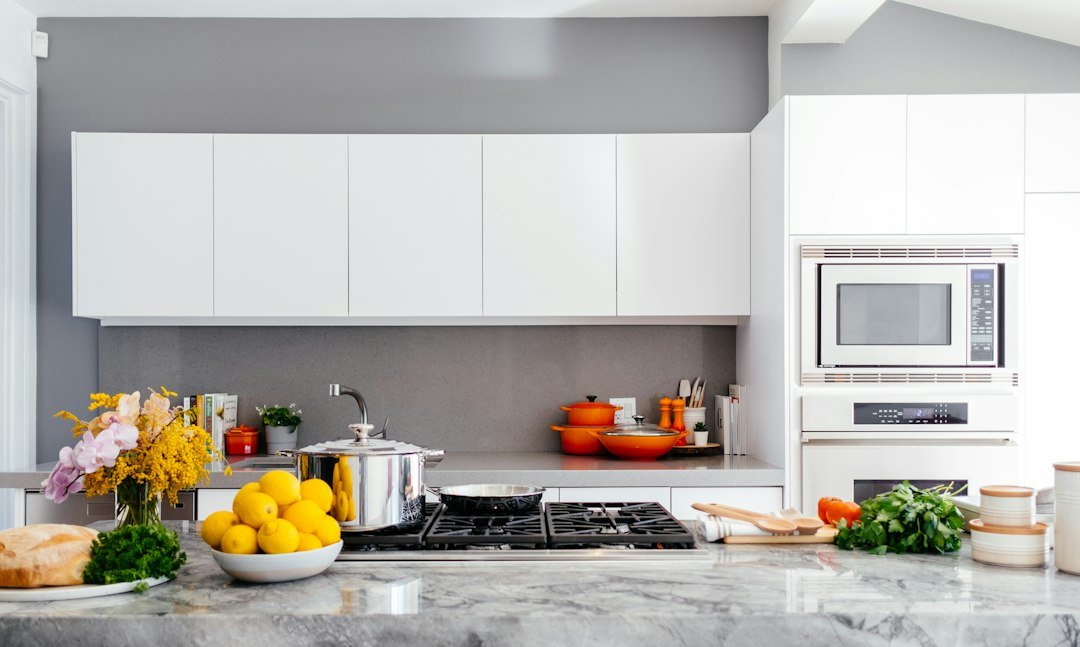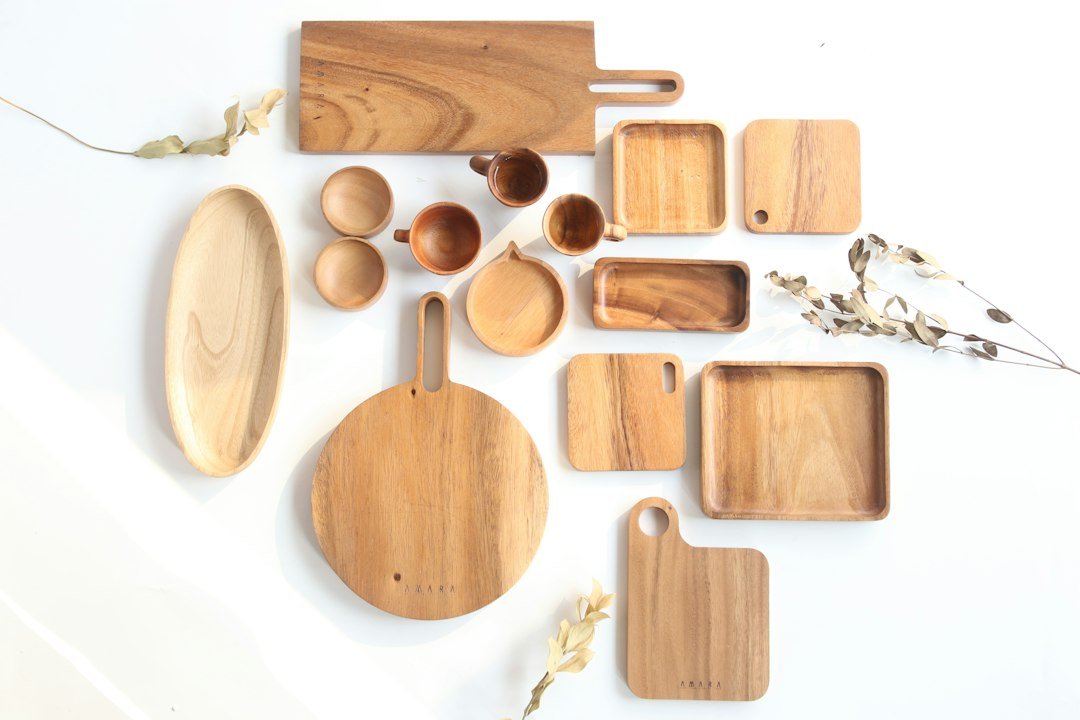

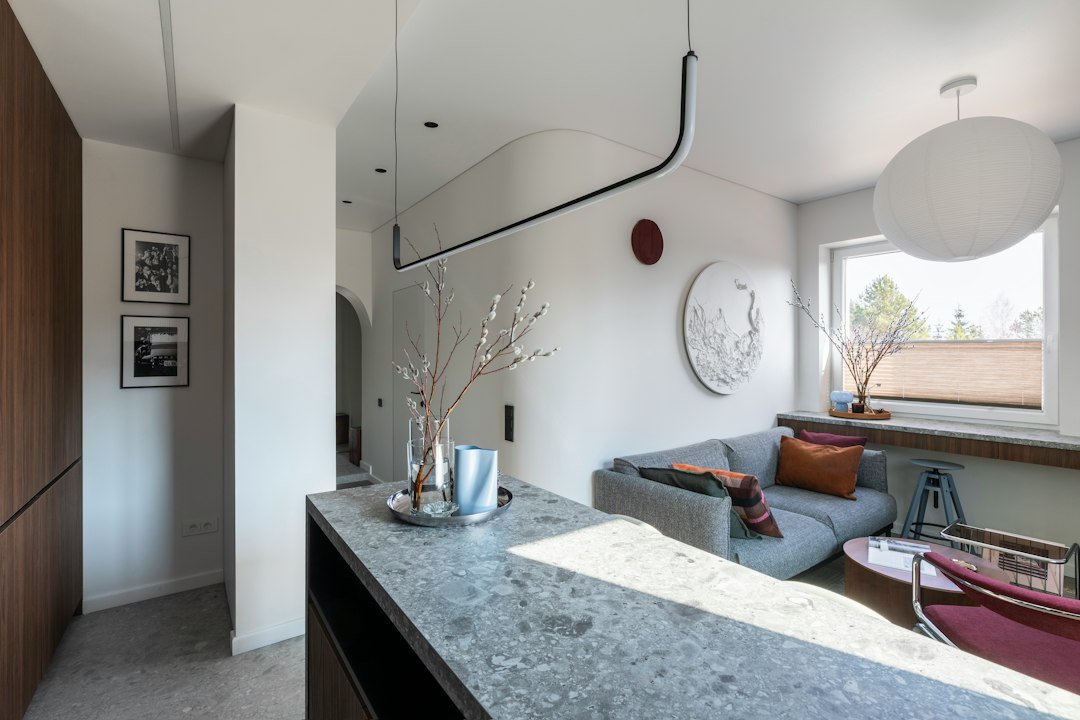
Most people assume small kitchens are simply cramped — but the bigger problem is wasted space. Corners, cabinet faces and the area above the sink are easy to overlook. These 12 kitchen storage ideas focus on reclaiming those pockets so an apartment kitchen can function like a larger one.
Quick wins to clear counters and create instant space
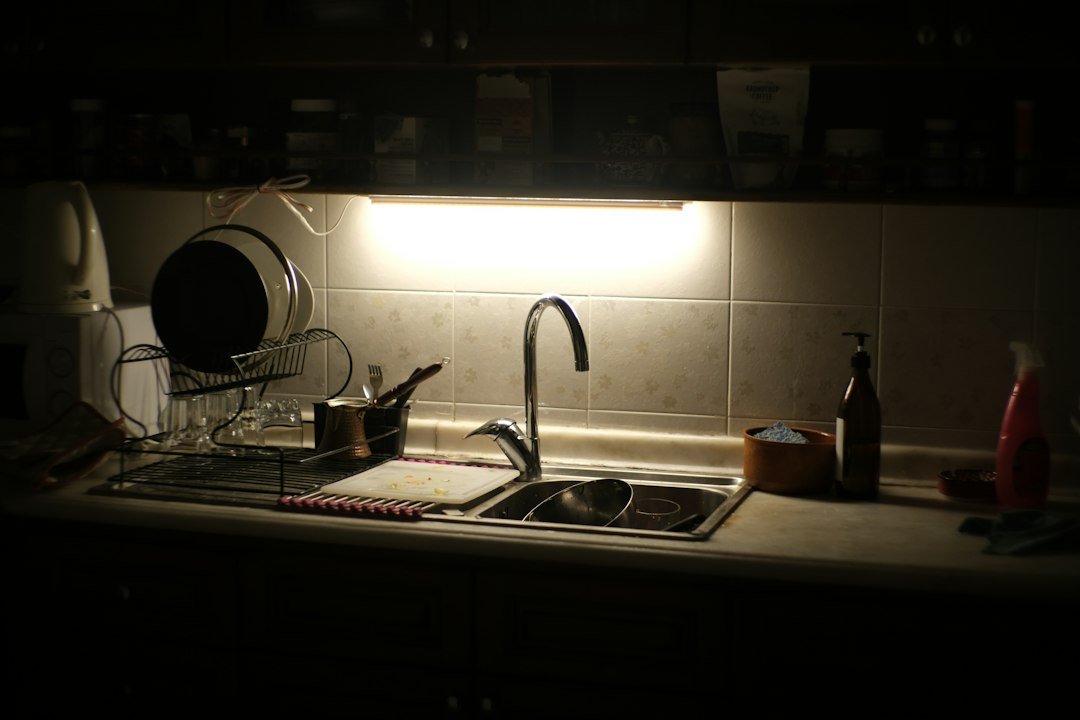
- Use an over-the-sink shelf. An over-sink shelf lifts dish soap, sponges and drying space off the counter while keeping the sink area usable. Choose a shallow, stainless or bamboo model that fits your sink width—no drilling required.
- Install a magnetic knife strip. Free up drawer room and protect blades by mounting a magnetic strip on the backsplash. It keeps knives visible and accessible without taking counter footprint.
- Add adhesive hooks and rails. Stick-on hooks on the inside of cabinet doors or on tile can hold measuring spoons, oven mitts, or a small hanging basket for frequently used utensils.
Think vertically: make tall and thin work for you
When floor space is limited, use height. Vertical solutions often hold more while taking less footprint.
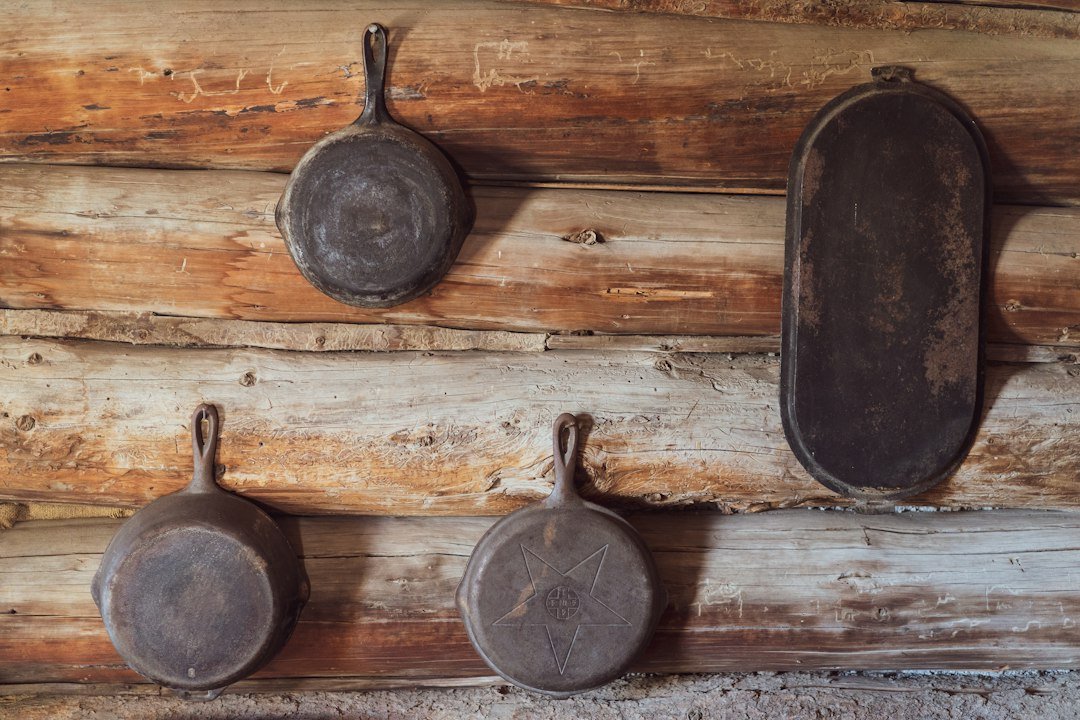
- Vertical pot and pan organizer. Instead of stacking cookware, use a vertical rack inside a lower cabinet or next to the stove to store lids and pans like file folders. This reduces dented pans and makes retrieval painless.
- Tall, narrow shelving units. A slim freestanding shelf can tuck into a gap beside the fridge or pantry and hold bottles, small appliances, or stacked bins. Choose open shelves for visual lightness.
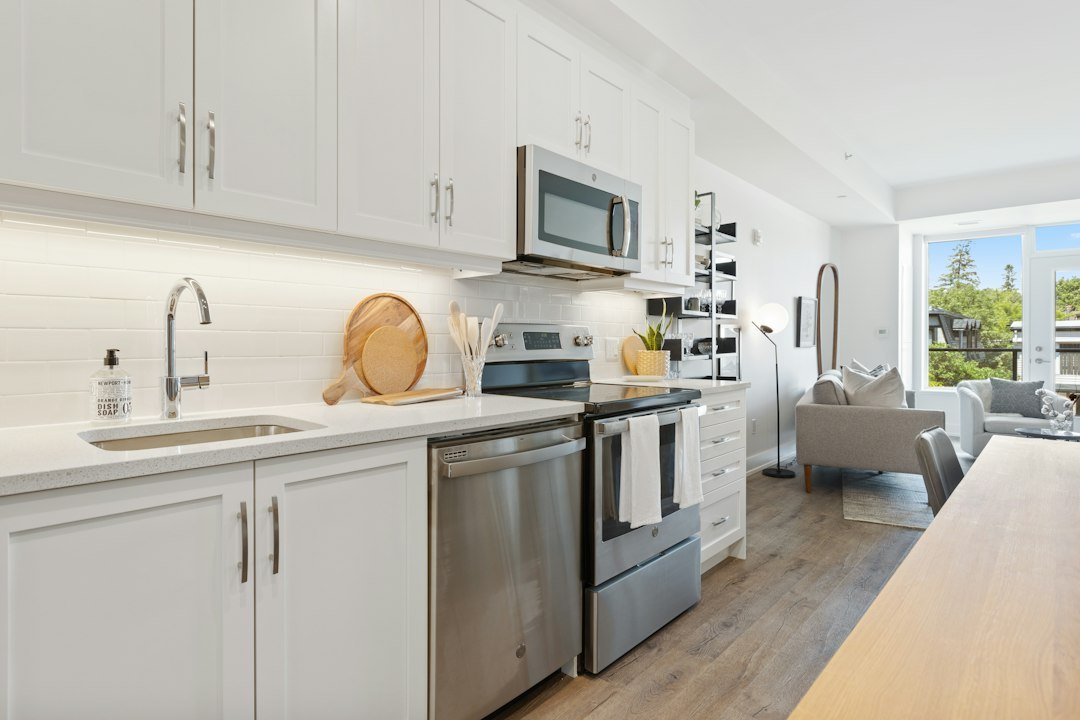
Maximize the inside of cabinets
Cabinets often hide inefficiencies: single deep shelves and wasted vertical space. A few targeted inserts drastically increase usable area.
- Under-shelf baskets and shelf risers. These create a second layer for plates, lids or snack bags. They’re inexpensive and removable—perfect for rentals.
- Tiered pull-out trays. Convert deep lower cabinets into organized layers so spices, oils and baking supplies are no longer buried at the back.
- Door-mounted racks for spices or wraps. The inside of cabinet doors can store cling film, foil, cutting boards or spices in slim racks that free up shelf depth.
Open storage that looks intentional, not chaotic
Open shelving can be risky in a small apartment because clutter is more visible. The trick is consistent containers and a deliberate mix of display and hidden storage.
- Group like items in matching containers. Clear stackable food storage or uniform glass jars reduce visual clutter and make ingredients easy to find.
- Keep a few display objects. Use the top shelf for bowls or a couple of attractive cookbooks and reserve lower shelves for functional items to balance style with storage.
Multi-use furniture and collapsible surfaces
Choose pieces that change form based on your needs—these are especially valuable in studio apartments.
- Drop-leaf or folding tables. Provide working space when cooking and fold down when you need room. A narrow console-style table can double as a prep station.
- Rolling carts with shelves. A cart can be a movable island, extra pantry, or bar cart. When not needed, roll it into a closet or corner.
Smart small-appliance storage
Small appliances are space hogs. Store by frequency and function.
- Keep daily-use appliances visible, hide occasional ones. If you use the coffee maker every morning, it stays on the counter. Bread machines or waffle makers can be stored on high shelves or in the back of a pantry.
- Use appliance garages or under-counter cubbies. These conceal appliances but leave them plugged in and ready.
One product pick that solves a common problem
If your lower cabinets are a jumble of stacked pans and lids, a vertical pot and pan organizer is a direct fix—it reduces stacking and frees shelf space for other items. For most apartment kitchens, the top-ranked option in our catalog is a practical choice.
How to choose the right solutions for your space
Measure twice: cabinet depth, gap widths, and the distance between countertop and upper cabinets. Prioritize items you use daily (leave those accessible) and move seasonal or rarely used equipment to the highest shelves. For rental walls, prefer tension rods, adhesive hooks, and freestanding units you can remove without damage.
With a mix of quick fixes and one or two permanent investments, even the smallest apartment kitchen can feel roomy and work efficiently. Apply a few of these ideas, then live with the changes for a week to refine what truly belongs where.
- Measure cabinet depths and gap widths before buying organizers.
- Clear counters first: add an over-sink shelf and knife strip.
- Convert one lower cabinet with a vertical pot organizer.
- Add under-shelf baskets to at least two cabinets.
- Choose one piece of collapsible or mobile furniture (cart or drop-leaf table).
- Group dry goods into matching stackable containers for open shelves.
Focus on reclaiming overlooked vertical and door spaces first—those yield the biggest gains. Mix inexpensive removable fixes with one durable organizer (like a vertical pot rack) and use multifunctional furniture to scale your storage as your needs change.
What storage hacks work best in rental kitchens?
Choose non-permanent options: tension rods, adhesive hooks, freestanding shelving, and over-the-sink racks. These add storage without drilling holes or violating lease terms.
Can I keep heavy cookware on open shelving?
It’s possible if the shelf is rated for weight and anchored properly; otherwise, keep heavy cookware in lower cabinets and use open shelves for lighter items.
How do I stop open shelving from looking cluttered?
Store pantry items in matching jars, limit the number of displayed items, and space objects to create breathing room—consistency reduces visual clutter.
Which cabinet is best for a vertical pot organizer?
Use a lower cabinet near the stove for convenience, ideally one with full-height doors so the organizer fits without blocking drawers or doors.
Are under-shelf baskets safe for glassware?
Yes, if you choose baskets sized to support the weight and avoid overloading; use soft liners to prevent chipping.