
You're making dinner and realize you're missing the one tool that makes the job simpler
Maybe the stew splashes while you try to stir it with a spatula, or you fumble with a tomato because there's no paring knife. Knowing which essential kitchen utensils to own—and what each one actually does—turns those moments into quick fixes instead of small disasters. Below is a clear, practical list to help a beginner set up a functional, fuss-free toolkit.
Quick answer: the 10 utensils every beginner should have and why
- Chef’s knife — The workhorse for chopping, slicing and dicing. A good 8-inch chef’s knife replaces many specialty knives.
- Paring knife — Precision tasks: peeling, trimming, and small cuts where the chef’s knife is too big.
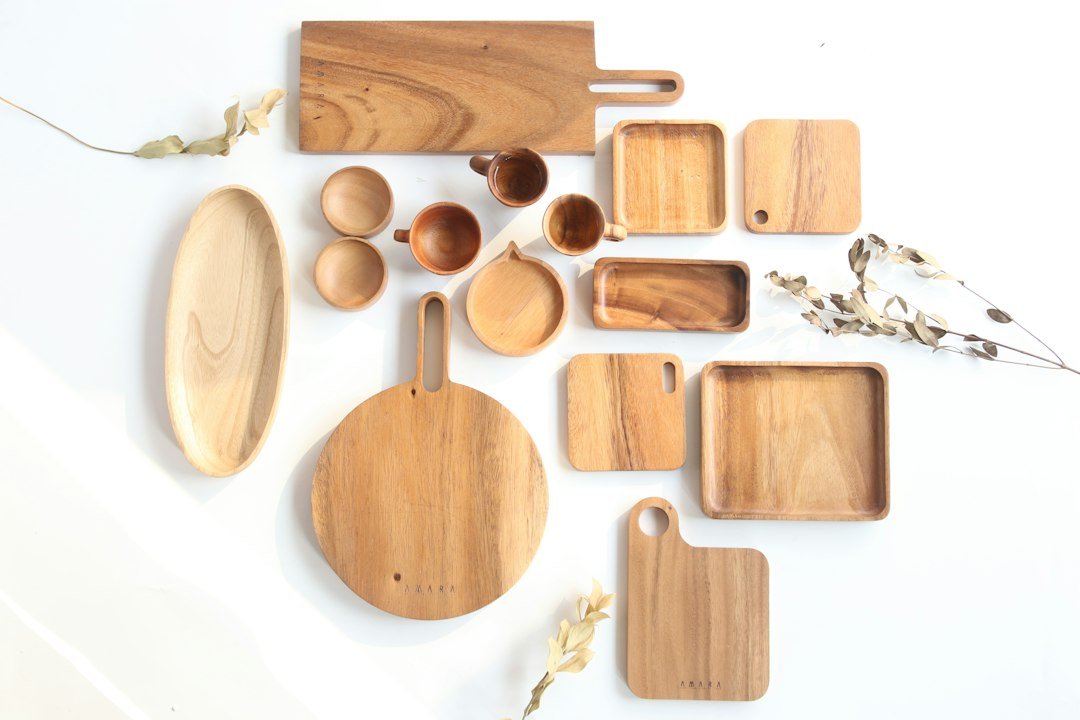
- Cutting board(s) — One for produce and one for raw meat to avoid cross-contamination; wood or BPA-free plastic are both fine.
- Silicone spatula — Scraping bowls, folding batter, and heat-safe cooking in nonstick pans.
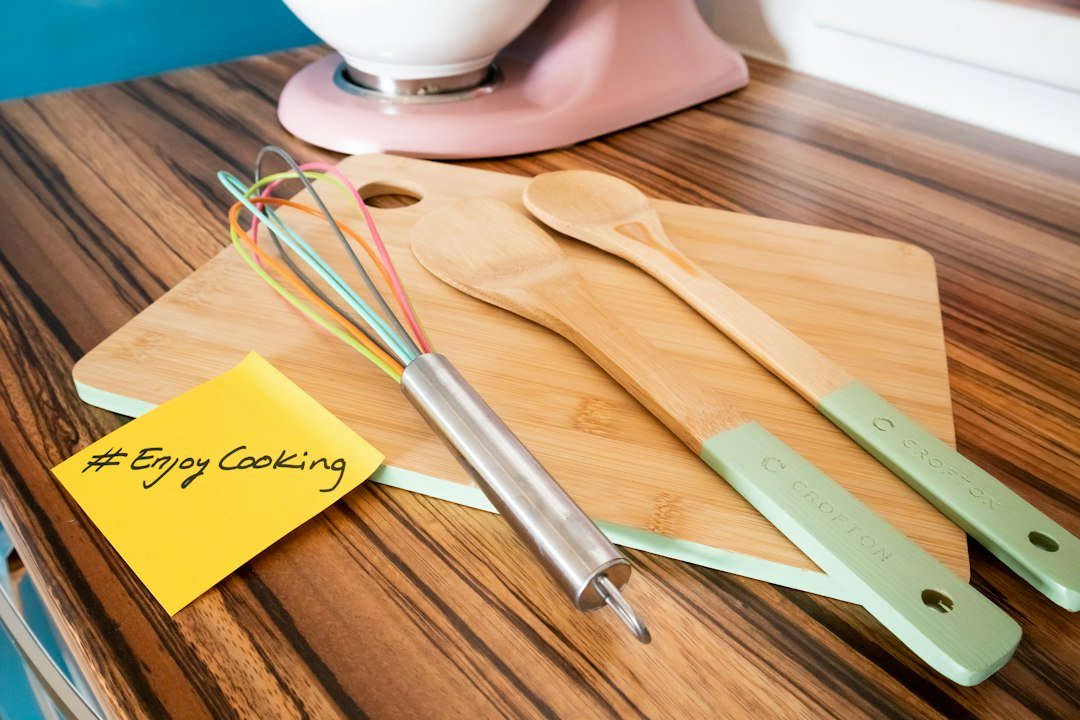
- Wooden spoon — Stirring sauces and braises; won’t melt on hot pans and is gentle on cookware.
- Slotted spoon — Lifting solids from liquids—vegetables, poached eggs, boiled pasta.
- Tongs — Turning meat, grabbing hot vegetables, plating; more precise than a spatula for many tasks.
- Measuring cups and spoons — For baking and reliable seasoning; a liquid measuring cup plus a set of dry cups is the baseline.
- Whisk — Emulsifying dressings, beating eggs, smoothing sauces and batters.
- Colander — Draining pasta, rinsing greens, or sifting canned beans.
How to choose the right version of each tool
Not all utensils are equal—material and size matter depending on how you cook.
- Knives: For beginners, prioritize blade quality and balance over brand. A stainless-steel 8-inch chef’s knife and a 3–4-inch paring knife cover most tasks. Keep knives sharp; a dull blade is more dangerous than a sharp one.
- Spatulas and spoons: Choose silicone for nonstick pans and high-heat cooking; wooden spoons are ideal for heavy stirring and won’t scratch stainless or enameled surfaces. Metal spatulas are useful for searing and flipping in stainless pans.
- Measuring tools: Use graduated glass or plastic liquid cups (clear markings) and nested dry cups/spoons. For frequent baking, a small digital scale is more accurate than cups.
- Tongs and slotted tools: Look for spring tension that feels manageable; silicone-tipped tongs protect nonstick coatings.
- Cutting boards: Wood boards (maple, beech) self-heal better and are knife-friendly; plastic boards are dishwasher-safe and lightweight—use both to separate foods.
Practical choices and multipurpose alternatives
If you want to minimize purchases, choose items that serve multiple roles.
- A single 8-inch chef’s knife plus a paring knife covers most tasks; you can skip specialty knives initially.
- A high-quality silicone spatula can handle mixing, folding and cooking, reducing the need for multiple spatula types.
- Tongs with a locking mechanism double as a serving tool and can often replace a slotted spoon for many tasks.
- A medium-sized mixing bowl can be used for mixing, marinating and serving—buy one with non-slip base if possible.
Care, storage and small habits that keep utensils useful
How you treat tools affects performance and longevity more than small differences in price.
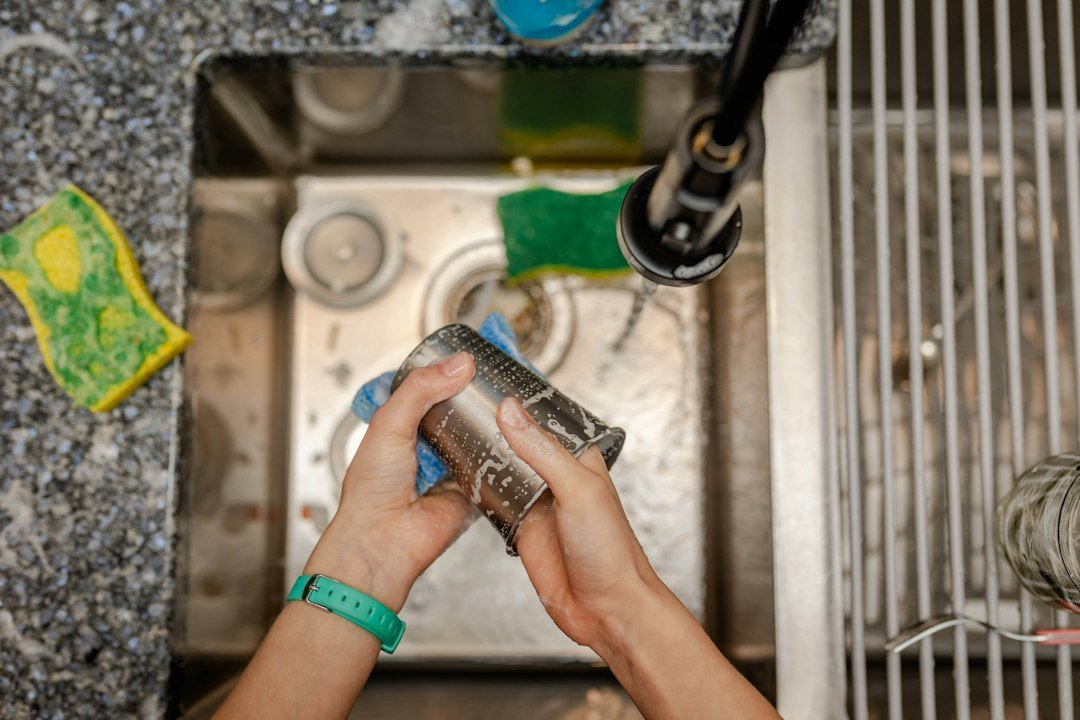
- Cleaning: Hand-wash wooden utensils and good knives; silicone and stainless tools are usually dishwasher-safe but check manufacturer instructions.
- Sharpening: Hone your chef’s knife with a steel regularly and sharpen with a stone or professional service a few times a year depending on use.
- Storage: Use a knife block or magnetic strip to protect blades. Keep frequently used utensils in a countertop crock for easy reach, and store extras in drawers organized with dividers—see this guide for drawer ideas.
- Material care: Avoid leaving wooden utensils soaking; prevent silicone from touching open flames for long periods even if heat resistant.
One product recommendation for a complete beginner set
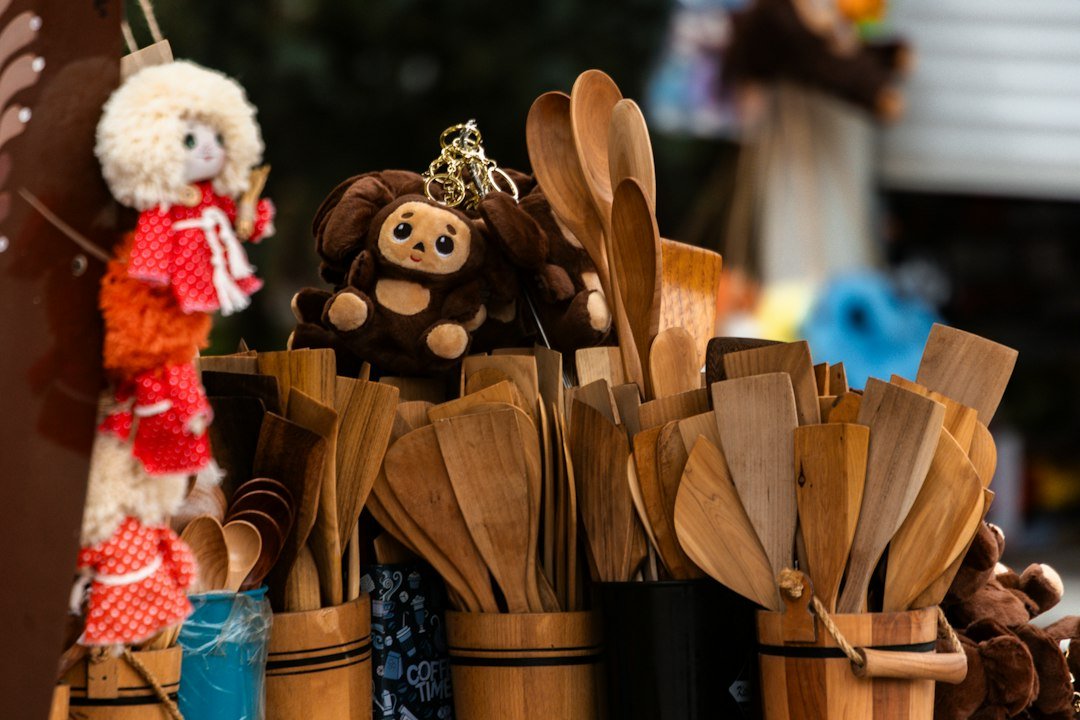
If you prefer buying a ready kit to get started quickly, a practical utensil set that covers the items above saves time and assures compatibility. For everyday cooking needs, consider this well-ranked set from our catalog:
Small substitutions and when to upgrade
Early on, accept sensible substitutions: use a large spoon as a slotted spoon, or your chef’s knife for most peeling tasks. Upgrade when a missing tool repeatedly slows you down—if you cook pasta often, a good colander and tongs are worth buying sooner.
Useful context: what to buy now vs. later
- Buy now: Chef’s knife, paring knife, cutting board, silicone spatula, wooden spoon, measuring cups/spoons, whisk.
- Buy when you need it: Fish spatula (if you sear delicate fillets), pastry brush (if you bake often), mandoline (for precision slicing), or a good set of mixing bowls if you host baking sessions.
- Confirm space for storage (drawer vs. crock).
- Start with a chef’s knife and paring knife only.
- Choose one silicone tool and one wooden tool for cooking surfaces.
- Pick dishwasher-safe items only if you need low-maintenance tools.
- Plan where to sharpen and how often to hone knives.
As a beginner, focus on a small set of versatile, durable utensils that match how you cook. Prioritize knives, a good spatula and measuring tools; expand only when a missing tool consistently limits what you make.
Do I need both a chef’s knife and a paring knife?
Yes—an 8-inch chef’s knife handles most chopping and slicing, while a paring knife is safer and more precise for peeling, trimming and small tasks.
Are silicone utensils safe for high heat?
Most quality silicone utensils are heat-resistant to typical cooking temperatures and are safe for nonstick cookware, but check the temperature rating and avoid prolonged direct flame contact.
What is the best way to store knives?
Use a knife block or magnetic strip to protect blades and keep them accessible; avoid loose drawer storage that dulls edges and risks injury.
Can I rely on a utensil set instead of buying individual pieces?
A good set is convenient for beginners and usually cost-effective—just check the included items match the essential list and that the materials suit your cookware.
How many cutting boards do I need?
Two is practical: one for raw proteins and one for produce to prevent cross-contamination; choose materials you’ll maintain consistently.