
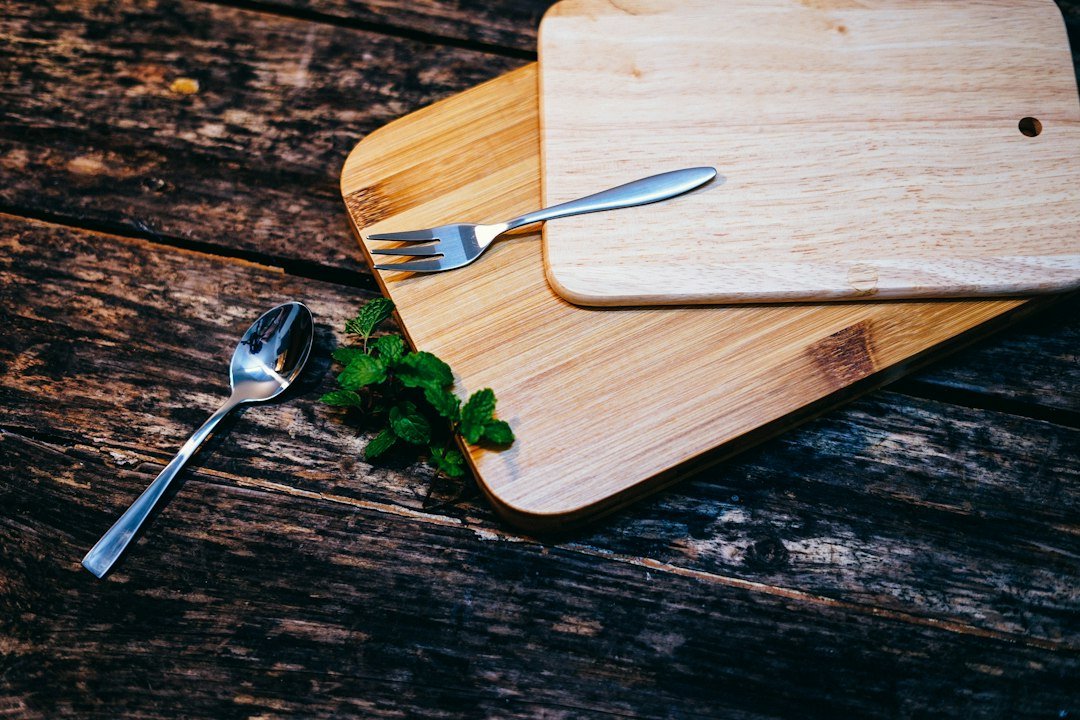
Answer first: pick material by what matters most — knife care, hygiene, or ease of cleaning
If you want the single practical takeaway: choose a wooden (end‑grain) board if protecting knives and a tactile, long‑lasting surface matters; choose plastic if you need dishwasher‑safe hygiene and low maintenance; choose bamboo or mixed sets when you want an eco-friendly, mid‑cost option and variety of sizes. Now read on for the trade‑offs and how to match a board to exact tasks and storage.
What actually matters when choosing a cutting board
Four real-world priorities determine the right board more than brand or aesthetics:
- How you cook daily (lots of chopping vs occasional slicing)
- Knife maintenance (do you sharpen often, invest in good knives?)
- Food‑safety needs (raw meat handling, cross‑contamination concerns)
- Time you’ll spend on cleaning and conditioning
Keep those in mind as we compare materials, sizes, edges and extras.
Material pros and cons: wood, plastic, bamboo, and composite
Material affects knife wear, maintenance and hygiene. Here’s what to expect.
Wood (maple, walnut) — best for knife care and longevity
Pros: End‑grain wood offers a forgiving surface that cushions blade edges and hides knife marks; attractive; can be resurfaced by sanding. Cons: Requires routine oiling, not dishwasher‑safe, heavier and usually pricier. Good for: daily vegetable prep, carving roasts, long‑term single‑board households.
Bamboo — eco‑friendly, hard, but slightly harsher on knives
Pros: Renewable, less prone to warping than some woods, comes in multi‑piece sets. Cons: Fibrous grain can blunt knives faster than end‑grain wood; some cheaper boards use glue seams that may split. Good for: everyday family use when you want a wooden look with lower cost.
Plastic (polypropylene, HDPE) — easiest to sanitize
Pros: Dishwasher safe, inexpensive, color‑coding for cross‑contamination (e.g., red for raw meat), light and available in many thicknesses. Cons: Deep knife grooves can harbor bacteria and require replacement; blunts knives faster than end‑grain wood. Good for: raw meat prep, kitchens that prefer dishwasher convenience or need easy hygiene practices.
Composite (resin‑infused paper or wood fiber) — balanced, low maintenance
Pros: Heat resistant, dishwasher‑safe options exist, durable and knife‑friendly in some brands. Cons: Can be expensive and still vary widely by manufacturer. Good for: cooks who want a single versatile board with less upkeep than wood.
Choose the right size and thickness for your workflow
Size matters for safety and storage.
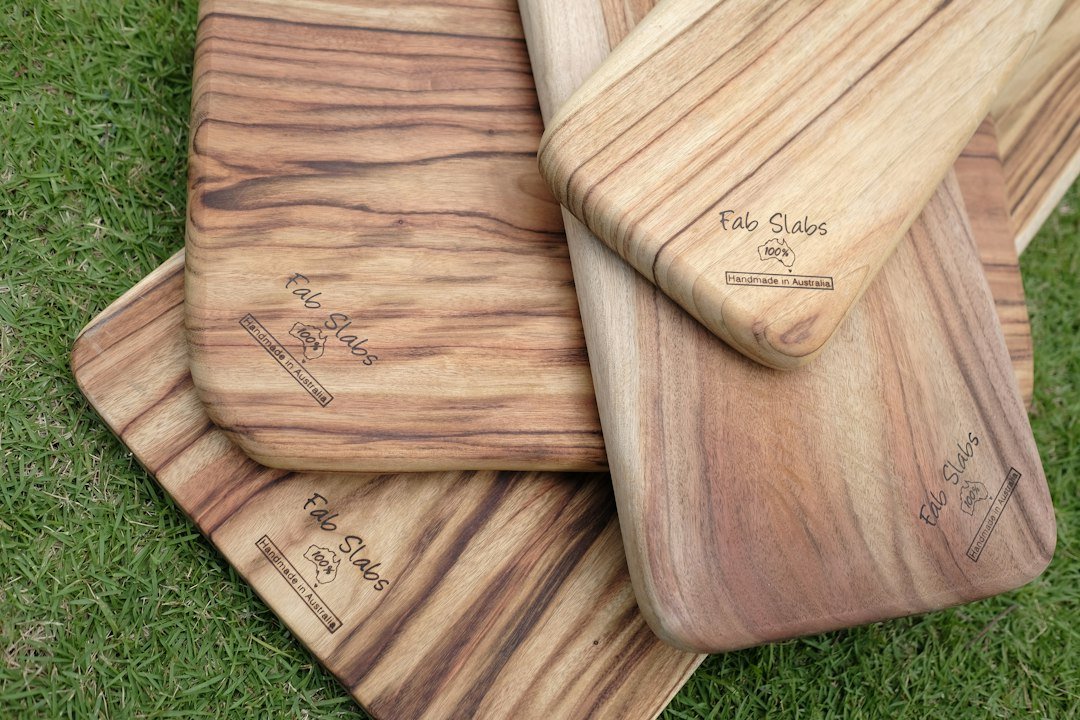
- Small (8–10"): good for juices, fruits, small jobs—easy to store but cramped for big tasks.
- Medium (12–15"): the most versatile for home kitchens—fits most counters and allows full‑size chopping.
- Large (18"+): best for batch cooking and roasts but heavy and harder to store.
Thickness: thinner boards (0.4–0.6") are lightweight and inexpensive; thicker (1"+) boards resist warping and feel steadier when chopping. If you do heavy-duty chopping, choose thicker end‑grain wood for longevity.
Features and details that genuinely improve use
- Juice groove: essential for carving meats or cutting juicy fruits to keep counters clean.
- Rubber feet or non‑slip pads: improves safety and grip during vigorous chopping.
- Reversible vs single‑sided: reversible boards double life between tasks and make cross‑contamination easier to manage.
- Handles and cutouts: helpful for moving heavy boards; avoid fragile decorative handles if you’ll use the board hard.
How to match a board to common kitchen use cases
Pick by task rather than brand.
For someone who cooks daily and cares about knife edges
Choose an end‑grain wood cutting board, 1–1.5" thick, medium to large size. End‑grain minimizes edge dulling and can be sanded and oiled repeatedly. Expect to oil monthly or when the wood looks dry.
For meal prep that includes raw meat and tight hygiene standards
Use color‑coded plastic boards for raw meat (dishwasher after heavy use) and reserve a wooden board for vegetables and bread. Replace plastic boards when knife grooves are deep enough to trap food.
For limited maintenance or dishwasher convenience
Choose a high‑quality plastic or composite board labeled dishwasher‑safe. Look for thicker polypropylene boards that resist cupping.
For families and variety of tasks
Buy a small set: one large wood or composite board for vegetables/roasts and one plastic board for raw proteins. This dual approach balances knife care and food safety.
When to pick a specific product from the store catalog
After you know material and size, pick the store offering that matches your use case. Our top local options:
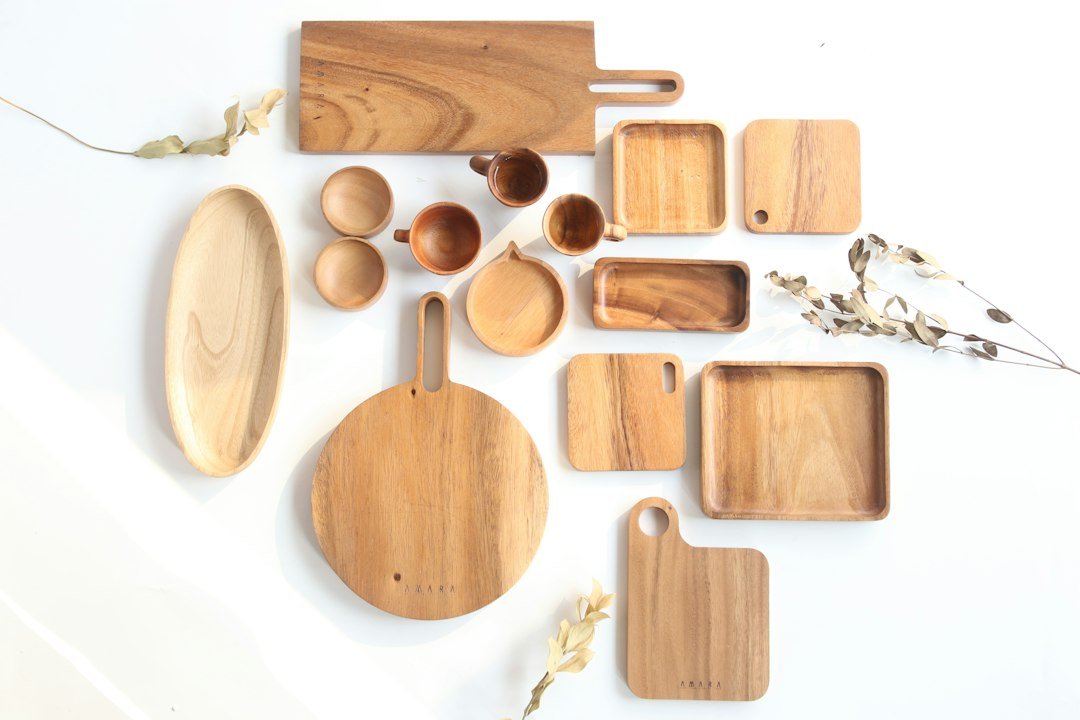
This ranked #2 set is a practical bamboo set ideal if you want multiple sizes and a mid‑range, eco‑friendly option. Use it when you prefer wooden boards but want variety without heavy maintenance.
For a premium single board that protects knives best, consider the walnut end‑grain option (ID 4581). It’s heavier and needs care, but it’s the right choice for cooks prioritizing edge retention and longevity.
Care rules that keep a cutting board usable and safe
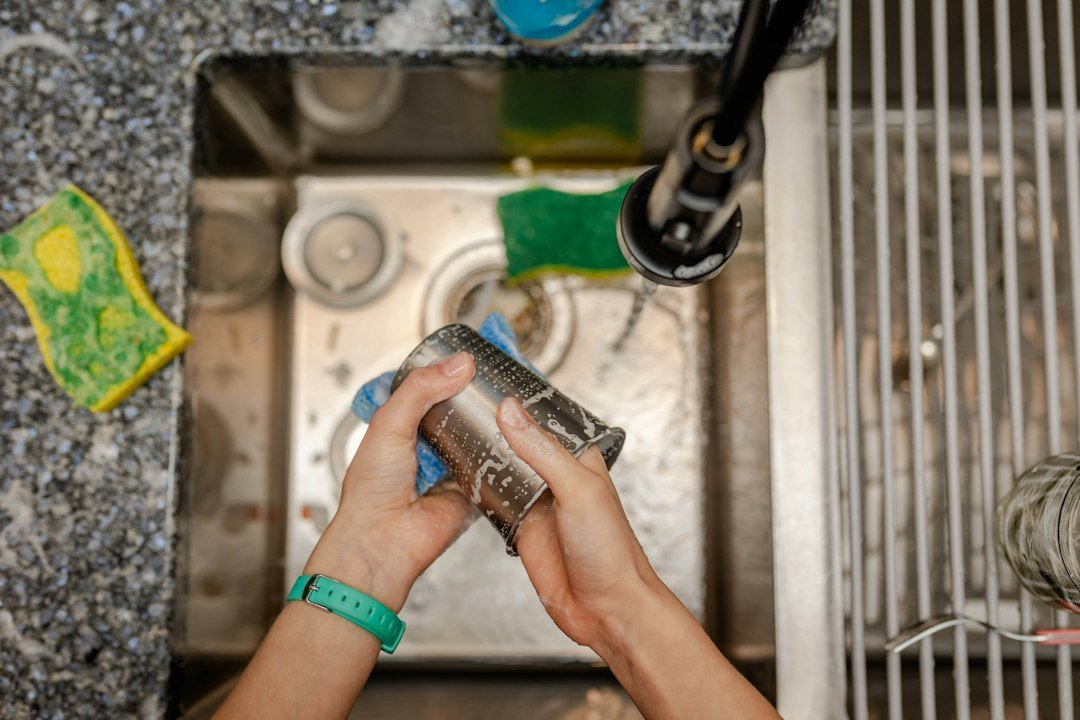
- Wood: hand‑wash with mild soap, dry upright; oil regularly with food‑grade mineral oil; sand and reseal when surface shows deep cuts.
- Plastic: run through dishwasher if rated, or hand‑wash and sanitize with dilute bleach solution when needed.
- Replace boards when deep grooves form or the board splits—grooves trap bacteria and can’t be fully sanitized.
Storage and kitchen placement tips
Store boards vertically in a rack to dry fully and save space, or keep a frequently used board on a low counter or shelf near your main prep area. Avoid stacking damp boards—moisture encourages mold.
Extra buying checks before you click “add to cart”
- Confirm material and construction (solid wood vs glued segments).
- Check thickness and weight—can you lift a large board with one hand?
- Look for non‑slip features and whether a juice groove is included.
- Read care instructions for dishwasher safety or oiling recommendations.
Related reading
For complementary kitchen decisions, consider matching your new board to a quality knife set or organizing storage: how to choose a kitchen knife set and organizing kitchen drawers.
- Decide priority: knife care, hygiene, or low maintenance?
- Pick material: end‑grain wood, bamboo, plastic, or composite.
- Choose size and thickness that fit your prep space and storage.
- Look for non‑slip feet and juice grooves if you carve meat.
- Plan to oil wood boards regularly; have a dishwasher‑safe board for raw meat if needed.
- Replace boards once deep grooves or cracks appear.
If you want one board that treats your knives kindly and lasts, choose a thick end‑grain wood board and commit to oiling and care. If convenience and sanitation are your top concerns, choose a durable plastic board and use it for raw proteins. Most home cooks benefit from two boards: one wooden for veg and one plastic for raw meat.
Are wooden cutting boards sanitary?
Yes—when properly cleaned and maintained. Wood has natural antibacterial properties, but you must hand‑wash, dry promptly, and oil periodically; avoid using the same wooden board for raw meat without thorough cleaning.
How often should I oil a wooden cutting board?
Generally once a month for a frequently used board; more often if it looks dry, or less if used seldom. Use food‑grade mineral oil or a board oil blend.
Can I put bamboo cutting boards in the dishwasher?
Most bamboo boards are not dishwasher‑safe; the heat and water can warp and crack them. Check the manufacturer’s care instructions.
When should I replace a cutting board?
Replace a board when deep grooves won't sand out, when it splits, or when persistent odors and stains remain after cleaning—these are signs it can no longer be safely sanitized.
Is end‑grain better than edge‑grain?
End‑grain boards are gentler on knife edges and self‑heal better from cuts, but they cost more and require more care; edge‑grain is less expensive and still durable for everyday use.