
Start with the result: a safe, grease-free air fryer that heats evenly and doesn’t smell
If your goal is a clean air fryer that keeps cooking times predictable and food tasting right, focus on three things: remove loose crumbs and grease from the basket and drawer, degrease sticky buildup from cooking surfaces, and clear any residue from around the heating element and fan. Ignore cosmetic scuffs and tiny food crumbs inside the base that never reach the airflow path—those won’t hurt performance and can be left for the next full clean.
Before you begin: safety, tools and parts to separate
Unplug the unit and let it cool completely. Gather: a nonabrasive sponge, soft brush (an old toothbrush or a small nylon grill brush), dish soap, white vinegar, baking soda, a microfiber cloth, paper towels, and a bowl or sink with warm water. Check which pieces are marked dishwasher-safe—many baskets and trays can go in the dishwasher but the outer drawer and nonstick surfaces still benefit from hand washing.
Quick daily clean (2–5 minutes) to prevent buildup
- After cooling, remove basket and tray. Shake out crumbs into the trash or compost.
- Wipe the interior and heating element area with a damp microfiber cloth—no spraying inside. If loose crumbs cling to the element, gently brush them away with a soft brush.
- Wash the basket and tray with warm soapy water, rinse and dry. For nonstick finishes, use a sponge—no metal scouring pads.
Deep clean: how to remove stubborn grease and burnt-on food
Do this every 2–6 weeks depending on usage.
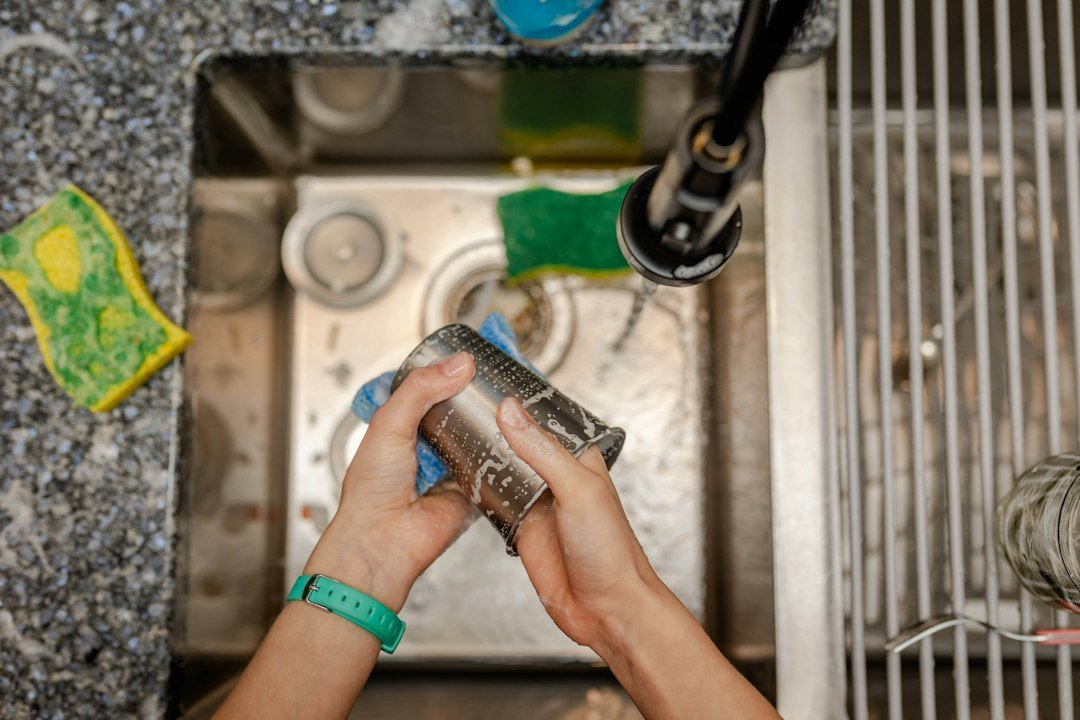
- Soak removable parts: Fill a sink or basin with hot water and a few drops of dish soap. Submerge the basket and tray for 15–30 minutes to loosen grime.
- Scrub gently: Use the soft-bristled brush or sponge to remove softened grease. For burned-on bits, sprinkle baking soda on the wet surface, add a little vinegar, let bubble for 10 minutes, then scrub. Avoid harsh scrapers that damage the nonstick coating.
- Clean the interior: Mix equal parts white vinegar and water in a bowl. Dip a microfiber cloth or sponge and wipe the cavity, avoiding saturating the heating element. For greasy spots near the element, use the soft brush dipped in the vinegar solution and dry immediately with a towel.
- Rinse and dry parts thoroughly before reassembly to prevent steam damage to electronics.
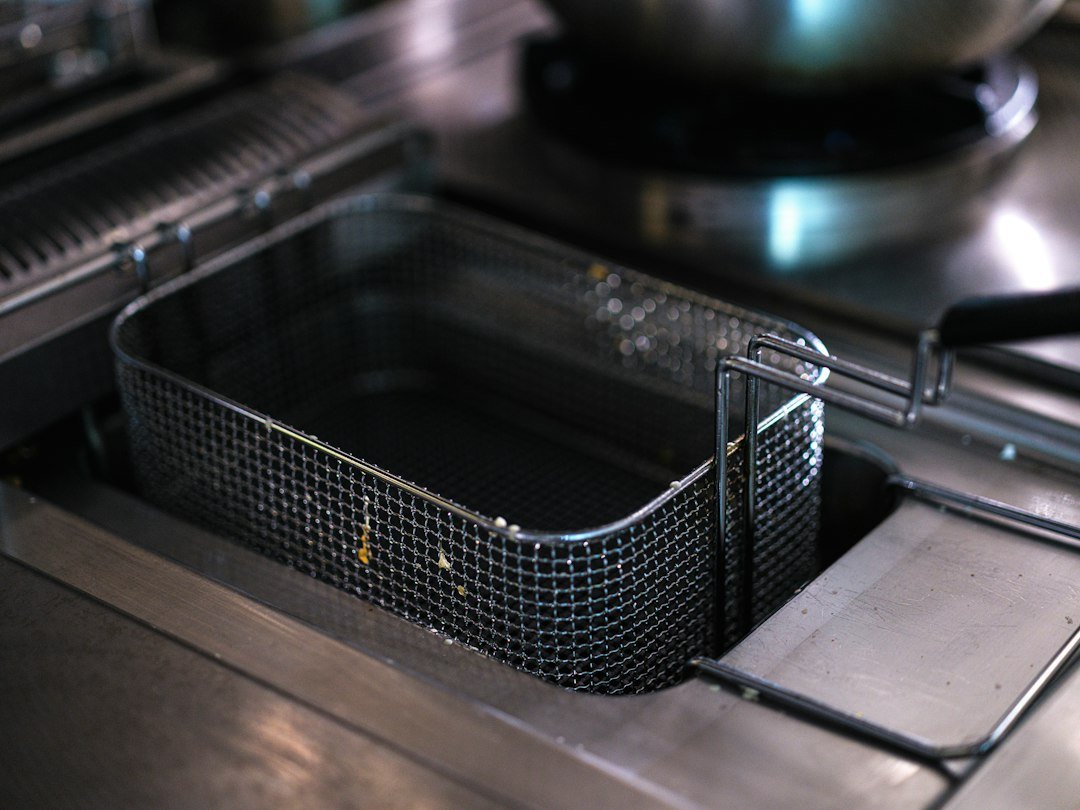
Deodorize and remove lingering smoke odors
For persistent smells after cleaning, place a small oven-safe bowl with equal parts water and white vinegar in the basket and run the air fryer at 350°F (or equivalent) for 5–10 minutes. Let cool, then dump the vinegar water and wipe dry. For milder freshness, run a cycle with a lemon slice on a paper towel placed in the basket.
When to use the dishwasher and when to avoid it
If the manufacturer labels parts “dishwasher-safe,” it’s usually safe for the basket and tray—but repeated dishwasher cycles can dull nonstick coatings faster. Use the dishwasher for heavily soiled parts you don’t want to scrub, and hand-wash more often to preserve finish. Never put the main unit, control panel, or heating element assembly in the dishwasher.
Small fixes and common problems
- Persistent sticky residue: Make a paste of baking soda and water, apply, wait 15–20 minutes, then scrub with a nylon brush.
- Fans making noise: Remove the drawer and check for trapped bits near the fan; clean with a soft brush. If noise persists, consult the manual—fan bearings aren’t a DIY fix.
- Uneven cooking: Buildup on the heating element or grate changes airflow. Clean the element and ensure the basket isn’t overloaded when cooking.
- Scorched smells after a burn: Run a vinegar steam cycle and then a plain water cycle to flush residues.
Products that genuinely help
If you want a reliable unit while replacing an older air fryer, choose a model that balances easy-to-clean parts with performance. For most households the Cuisinart 6-Quart Air Fryer is a versatile choice with a removable basket and wide drawer that are straightforward to clean.
- Unplug and cool before cleaning.
- Empty crumbs after every use.
- Wipe interior weekly; deep clean removable parts every 2–6 weeks.
- Use vinegar or baking soda for stubborn grease; avoid metal scouring pads.
- Run a vinegar steam cycle for odors.
- Hand-wash nonstick parts when possible to extend coating life.
Clean your air fryer routinely: quick post-use wipes plus periodic deep soaks and targeted degreasing. Prioritize the basket, tray, heating element and airflow paths to keep cooking even and odor-free.
Can I put air fryer basket in the dishwasher?
Often yes if the manufacturer marks it dishwasher-safe, but hand-washing preserves nonstick coatings longer. Use the top rack and a gentle cycle if you choose the dishwasher.
What cleans stuck-on cheese or batter?
Soak the part in hot soapy water, then use a nylon brush; for very stubborn spots, a baking soda paste helps lift residues.
How do I clean the heating element safely?
Unplug and cool the unit, then gently brush loose debris and wipe with a cloth dampened with a vinegar-water solution—avoid soaking the element.
Will vinegar damage my air fryer?
No—diluted vinegar is safe for degreasing and deodorizing when wiped or run briefly in a steam cycle; don’t leave concentrated vinegar sitting on rubber seals for long periods.
How often should I deep clean my air fryer?
Deep clean every 2–6 weeks depending on usage and how greasy your meals are. Heavy frying or frequent use warrants more frequent deep cleans.