
Quick observation from someone who cooks every week
Most kitchens aren’t failing from lack of stuff but from small, repeatable habits: a drawer where tools pile up, a pantry that hides expiring items, or cookware stacked so you never reach for what you need. Recognizing those habits — the kitchen organization mistakes you keep making — is the fastest route to faster dinners and less food waste.
1. Storing cookware by stacking instead of by use
Problem: Heavy pots and mismatched lids stacked on top of each other make grabbing the right pan a chore and can damage nonstick surfaces.
Why it matters: Time lost wrestling pans adds friction to cooking. Scratched pans shorten their lifespan.
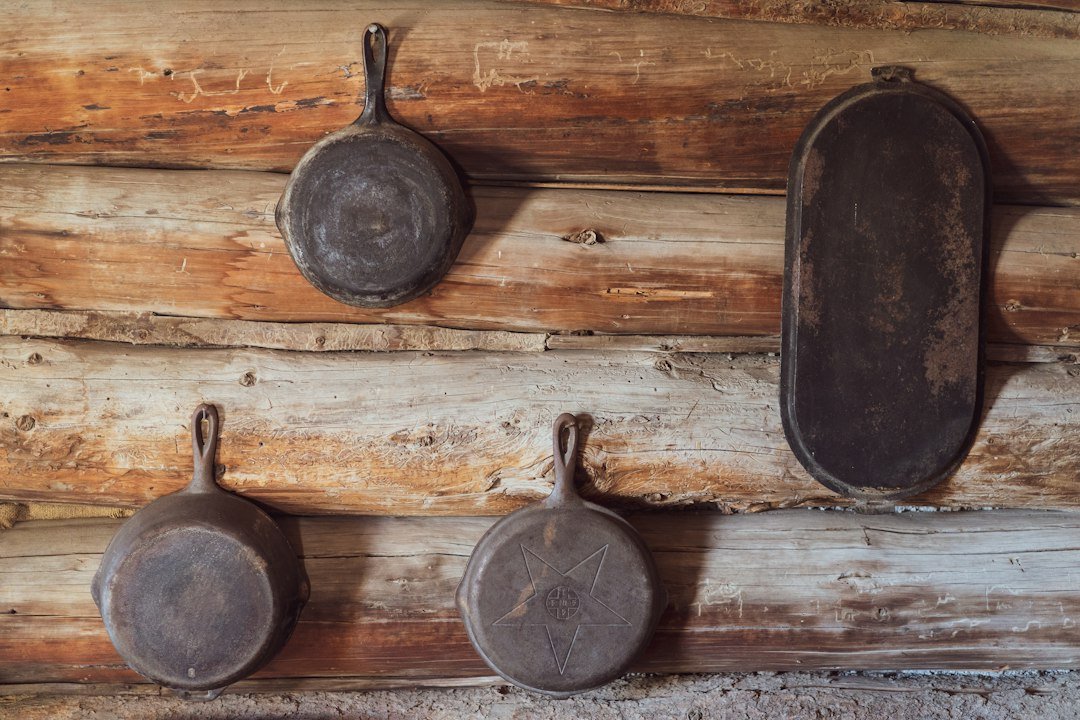
Better approach: Store cookware by frequency and function. Keep daily-use saucepans at arm’s reach; use a vertical pan rack or under-cabinet organizer for lids. If cabinet height allows, use a tiered pot and pan organizer so each piece is visible and accessible.
2. Letting the countertop become a storage island
Problem: Filling counters with appliances, mail and random jars turns prep space into clutter.
Why it matters: Limited clear workspace slows meal prep and increases cross-contamination risk.
Better approach: Keep only 1–2 frequently used appliances on the counter. Move rarely used items to cabinets or shelves. Create a dedicated landing zone for mail elsewhere — a wall hook or small tray keeps counters for cooking.
3. Ignoring pantry rotation and visibility
Problem: New groceries go to the back while older items expire out of sight.
Why it matters: Food waste and surprise shortages during weeknight cooking cost money and time.
Better approach: Adopt “first in, first out” — place newest items behind older ones. Use clear storage bins and label front edges with dates or contents. Reserve one shelf for meal-prep staples (rice, pasta, canned beans) so you can quickly see running lows.
4. A single junk drawer instead of organized drawers
Problem: Mixing measuring spoons, twist ties, battery packs and stray utensils makes finding the right tool slow.
Why it matters: Searching for small items punctuates every recipe with small delays and frustration.
Better approach: Divide drawers by task: utensils, food prep tools, wraps/foil, and small gadgets. Use bamboo or plastic drawer organizers sized to your specific utensils to keep similar items grouped and visible.
5. Improper knife storage and care
Problem: Tossing knives into a drawer dulls blades and risks injury.
Why it matters: Dull knives are unsafe and make precise cutting harder, slowing prep.
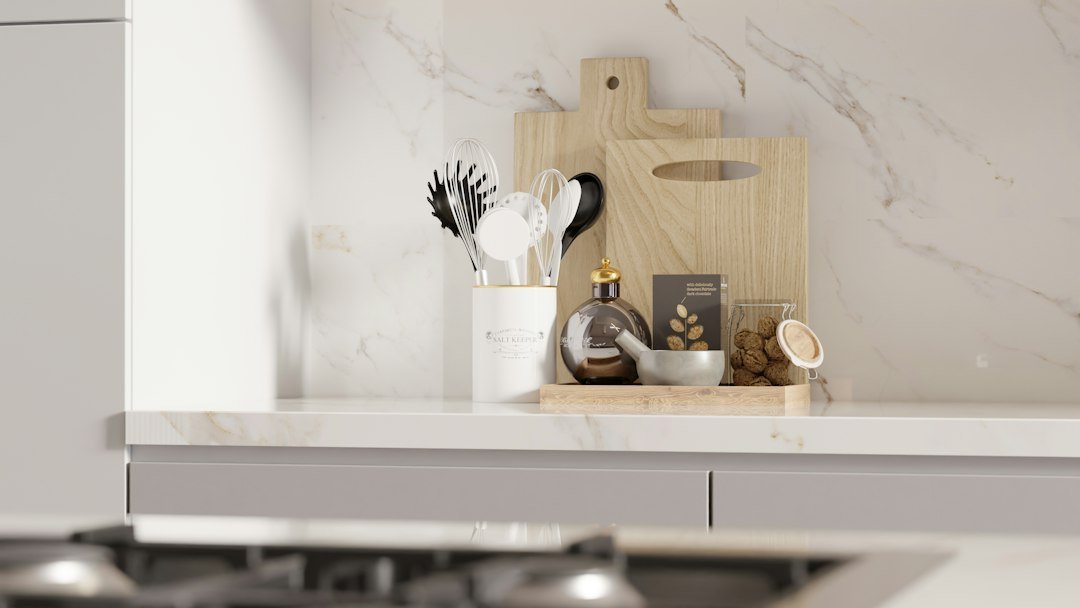
Better approach: Use a magnetic strip, knife block, or in-drawer knife tray to protect edges. Hone knives regularly and sharpen as needed; keep one reliable chef’s knife in prime condition rather than several neglected blades. See our guide on choosing the right kitchen knife set for more on selection and care: How to Choose the Best Kitchen Knife Set for Everyday Cooking.
6. Overfilling spice shelves without a system
Problem: Jars in mismatched containers and no labeling lead to duplicate purchases and confusion while cooking.
Why it matters: Reaching for incorrect spices affects flavors and slows decision-making during recipes.
Better approach: Consolidate frequently used spices into uniform jars, label lids and alphabetize or arrange by cuisine. Reserve a small “current” tray for the four to six spices you use every week so they’re always within reach. For more ideas, try our spice storage guide: 13 Smart Spice Storage Ideas.
7. Not planning for meal-prep workflow
Problem: Chopping, cooking and storing happen in disjointed spots — you walk back and forth across the kitchen.
Why it matters: Wasted steps add time and increase the chance of spills or cross-contamination.
Better approach: Create a simple workflow: fridge → prep station (cutting board and knives) → cooktop → plating area. Keep meal-prep containers and lids nearby so finished meals are packed immediately.
8. Buying organizers that don’t fit the space
Problem: Attractive racks and bins that are too tall, deep or narrow end up unused or causing more clutter.
Why it matters: Ill-fitting organizers block doors, waste money, and fail to deliver the expected convenience.
Better approach: Measure before you buy. Check cabinet depth, door swing and shelf height. If you need a proven cookware solution, a well-rated pots and pans organizer that fits under cabinets can transform accessibility — consider a top-ranked option for reliable results.
9. Washing produce and storing it incorrectly
Problem: Washing berries or lettuce and then storing them wet speeds spoilage; other produce is stored in the wrong humidity zone in the fridge.
Why it matters: Faster spoilage increases waste and triggers more grocery runs.
Better approach: Wash leafy greens and berries only before eating. Use produce drawers correctly: low-humidity for onions and potatoes, high-humidity for greens and cucumbers. Line drawers with paper towels to absorb excess moisture.
10. Overlooking a quick nightly reset
Problem: Leaving the kitchen as-is overnight turns small messes into larger mornings projects.
Why it matters: Starting the next day with a cluttered kitchen reduces the likelihood of cooking at home and raises friction for weekday routines.
Better approach: Spend five minutes each night wiping counters, putting utensils back in their place and consolidating leftovers. A quick reset maintains the systems you built and keeps the kitchen ready for morning or next-meal preparation.
- Measure cabinet and drawer dimensions before buying organizers.
- Identify the 4–6 items you use daily and give them prime real estate.
- Set a pantry rotation rule (new items to the back) and label key bins.
- Create separate drawers for prep tools and for eating utensils.
- Schedule a five-minute nightly kitchen reset.
Small, consistent changes—visible storage, logical placement by use, and a short nightly reset—deliver the biggest gains. Start with one zone (pantry, cookware or drawers) and build the habit before redoing the whole kitchen.
How do I decide which kitchen zone to reorganize first?
Pick the area that causes the most friction for your weeknight cooking—usually cookware, the prep drawer, or the pantry. Fixing that zone first yields immediate time savings.
Are drawer organizers worth the cost?
Yes for drawers that hold frequently used tools. They reduce search time and keep knives and measuring spoons safe, which improves both speed and safety.
How often should I rotate pantry items?
Do a quick rotation every grocery trip and a deeper check monthly for expired or stale items. Visible bins make this process fast.
What’s the easiest fix for countertop clutter?
Move all but one or two daily appliances into cabinets, and create a separate mail/drop zone away from food prep surfaces.
Can a pot and pan organizer fit most kitchens?
Many designs are adjustable, but always confirm the intended unit’s dimensions against your cabinet or shelf. Measuring first prevents returns and wasted space.