
What really matters when choosing between an espresso machine vs coffee maker
Most shoppers focus on brand, looks or whether a machine has a steam wand. Worse: they fixate on single specs (bar pressure, carafe size) without thinking about daily use. What matters first is your routine, taste preference, and how much time and upkeep you’re willing to accept. Ignore marketing buzz like “20-bar” promises and fancy lights — instead ask: How do I like my coffee, how many drinks per day, and who will maintain it?
Decision criteria to use
- Drink style — espresso-based drinks (ristretto, latte, cappuccino) need pressure and fine grind; if you prefer milder, larger cups, drip or single-serve likely fits.
- Flavor priority — espresso machines concentrate flavors and produce crema; quality drip brewing highlights clarity and balance over intensity.
- Speed and volume — make many cups quickly: drip carafes or high-capacity single-serve systems win. For single intense shots fast, espresso machines heat and extract quickly once up to temp.
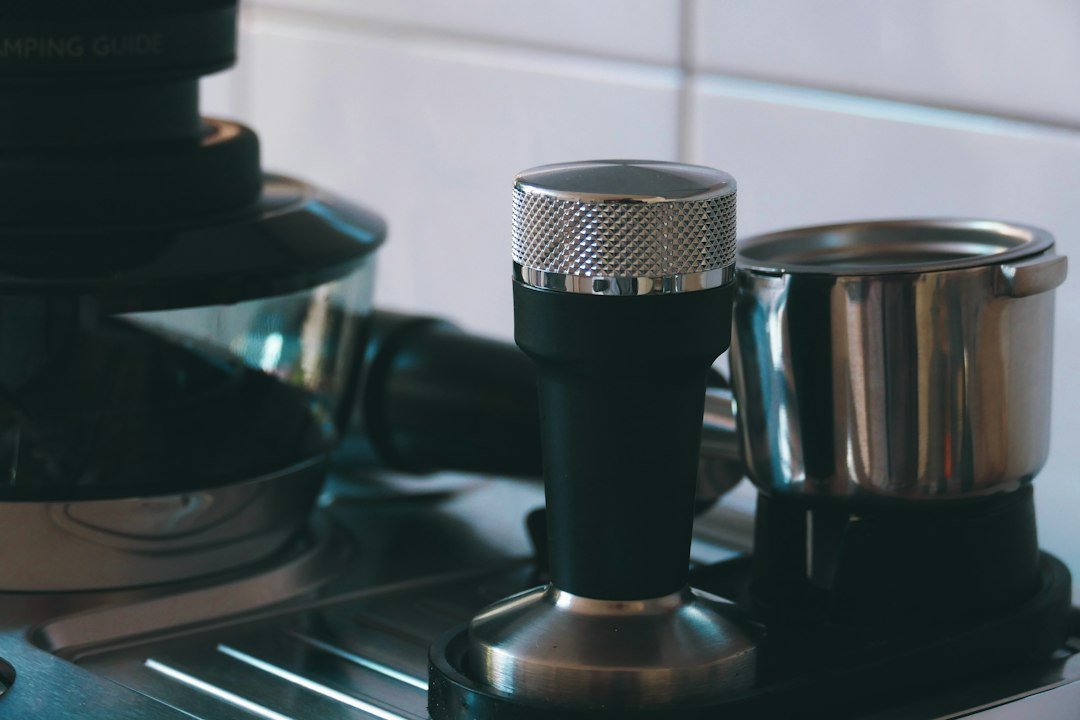
- Hands-on vs convenience — semi-automatic espresso machines require skill (grinding, tamping, milk steaming); coffee makers are mostly push-and-go.
- Counter space and budget — espresso setups (plus grinder) tend to cost more and take more space; basic drip brewers are compact and lower cost.
- Maintenance — espresso machines need regular backflushing, descaling and group cleaning; drip makers require occasional descale and filter changes.
Taste and drink variety: where each excels
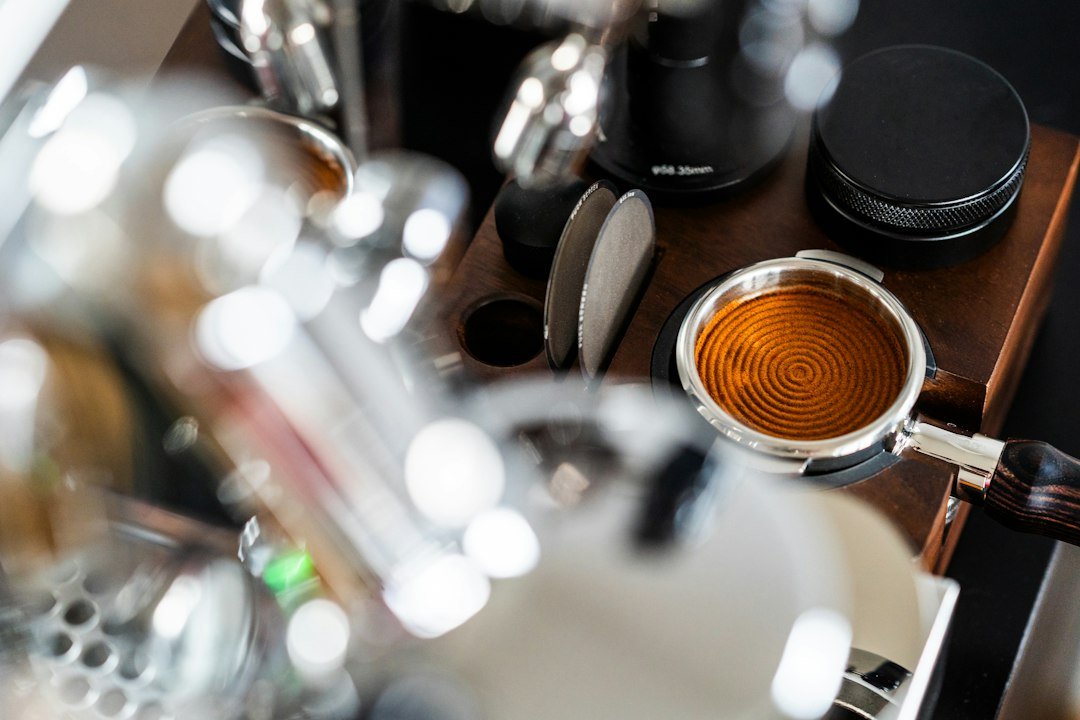
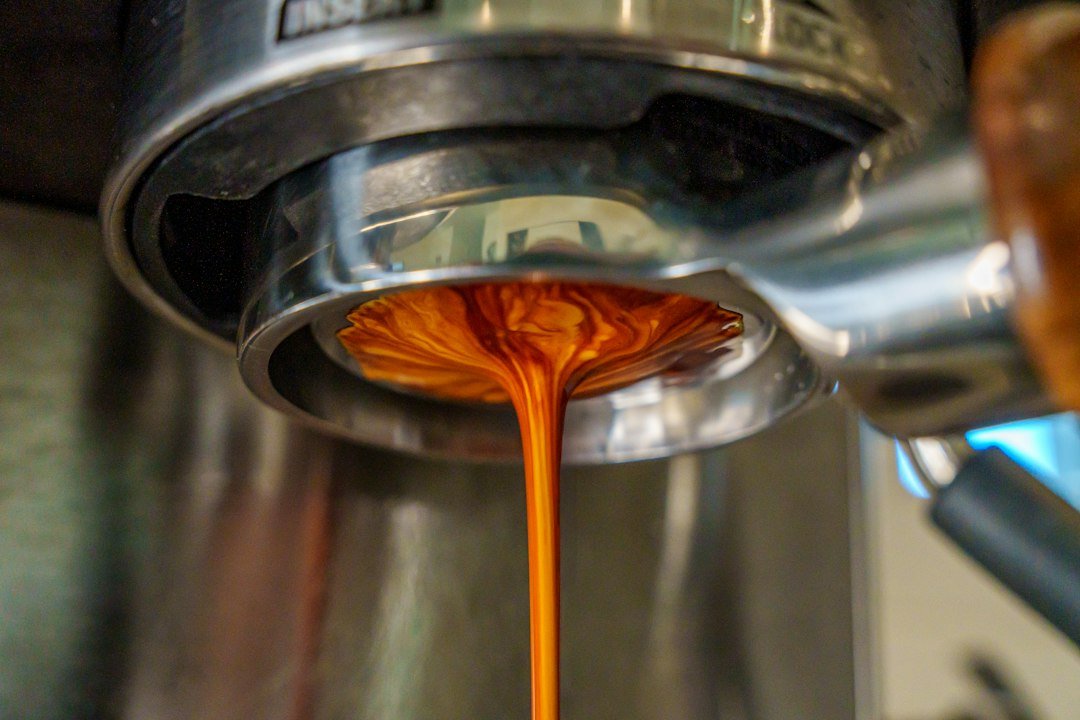
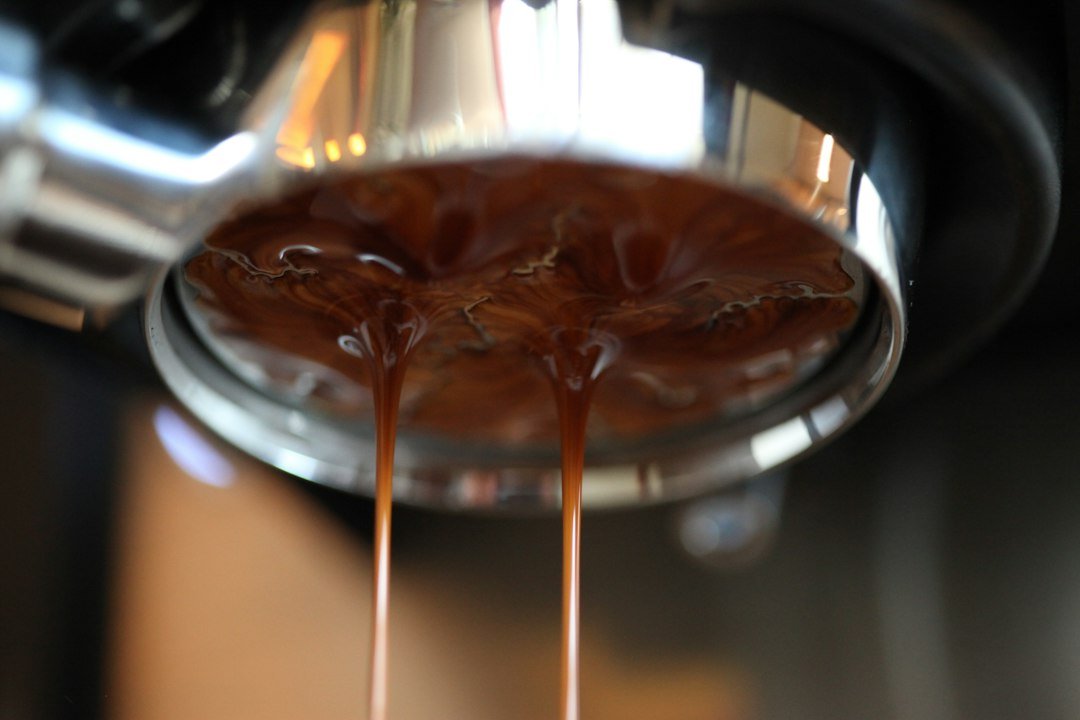
If you love concentrated, layered drinks with crema and steamed milk, an espresso machine delivers that signature texture and intensity. Espresso extraction emphasizes oils and solids, giving lattes, cappuccinos, and Americanos their character.
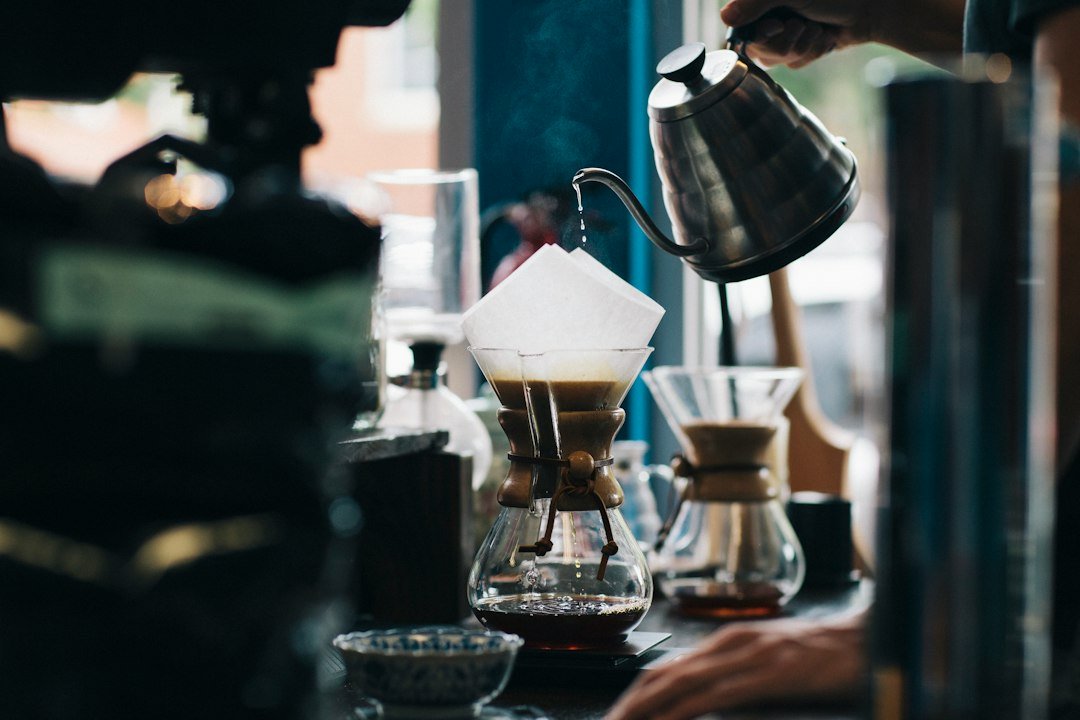
Conversely, drip coffee makers (including pour-over or automatic drip) produce cleaner, larger cups where origin flavors and acidity are more pronounced. Single-serve pod machines sit between these: convenient and consistent, but usually less flavorful than a well-pulled espresso or a carefully brewed pour-over.
Time, capacity and daily workflow
For single-serve mornings and minimal fuss, drip and pod machines are faster: fill water, add grounds or pod, press brew. They scale well when you need 4–8 cups for a household or guests. Espresso machines are fast per shot (30–40 seconds extraction) but require prep—grinding, dosing, tamping—and milk steaming if making dairy drinks, so plan extra time or batch your workflow (pull several shots then steam milk).
Skill, grind and additional gear required
True espresso quality depends heavily on a grinder and technique. If you buy an espresso machine, budget for a good burr grinder and learn to dial in grind size and dose. For drip brewing, a grinder still helps but is more forgiving; medium-coarse settings work across many brewers. For lowest fuss, combine single-serve machines with pre-ground or pod formats.
Maintenance, reliability and lifetime cost
Expect higher maintenance for espresso machines: routine backflushing, descaling, replacing group gaskets, and cleaning portafilters/steam wands. These tasks affect reliability and flavor. Drip machines are simpler: rinsing carafes, replacing paper filters, occasional descaling.
Factor in recurring costs: espresso requires fresh beans and possibly a grinder; pod systems have steady pod expenses. Over several years, a midrange espresso setup plus grinder typically costs more than a solid drip brewer.
Space, noise and kitchen fit
Espresso machines and grinders are bulkier and louder during grinding and steaming. If your kitchen is small or noise-sensitive (shared living, early mornings), a compact drip or single-serve brewer is friendlier. If you have a dedicated coffee nook and want an appliance that looks like a centerpiece, many espresso machines suit that aesthetic.
[h3]When an espresso machine is the right choice[/h3]Choose an espresso machine if you:
- Prefer espresso shots, lattes, cappuccinos or macchiatos regularly.
- Enjoy hands-on brewing and learning technique.
- Are willing to buy a good grinder and perform regular maintenance.
- Value concentrated flavor and texture (crema, body) over large-batch convenience.
Recommended product for home espresso: if you’re ready to commit, the Gevi 20 Bar Compact Espresso Machine (ID 3736) pairs compact size with features that help consistent shots and milk steaming.
When a coffee maker is the better pick
Choose a drip or single-serve coffee maker if you:
- Drink multiple cups daily and need speed and consistency.
- Prefer straightforward operation and minimal cleanup.
- Want larger cups that highlight origin flavors or pair with milk at home.
- Need a lower upfront cost and smaller countertop footprint.
Top store match for reliable full-pot brewing: the Bonavita 8 Cup Drip Coffee Maker (ID 5379) produces balanced carafes quickly and fits households that need several cups with minimal fuss.
Special cases: apartments, shared kitchens, and guests
In a small apartment or shared kitchen where others might use the machine, a simple drip or single-serve is more forgiving. If you entertain and want variety, a drip carafe plus a small espresso machine or a manual espresso press can provide both worlds without overwhelming space or budget.
Practical buying checklist
Before you buy, check these specifics:
- Do you already own a quality burr grinder? If not, include one in your budget for espresso.
- How many cups per day, and does brew time matter during weekdays?
- Can you commit to routine cleaning for an espresso machine?
- Measure counter space and confirm clearance for steam wands or tall carafes.
- Look for replaceable parts and a clear descaling/maintenance process in the manual.
Summary: which one should you choose?
If your priority is café-style drinks and you enjoy a hands-on routine, go espresso. If you want convenience, volume, and lower maintenance, choose a drip or single-serve coffee maker. For mixed households, a reliable drip brewer plus a compact espresso machine or Moka pot covers most needs without duplicating effort.
- Decide whether you want espresso-based drinks daily or larger brewed cups.
- Budget for a burr grinder if choosing espresso.
- Measure counter space and consider noise during prep.
- Read the maintenance guide—are you willing to follow it?
- Plan for long-term costs: beans, pods, filters, descaling supplies.
Match the machine to your routine: espresso machines reward time and skill with intense, milk-based drinks; coffee makers reward convenience and volume with clearer, larger cups. Choose the path that fits your mornings, not the flashiest spec sheet.
Do I need a grinder for an espresso machine?
Yes; fresh, consistent grind is critical for espresso. A quality burr grinder is a necessary companion for consistent shots.
Can a drip coffee maker make espresso-style coffee?
No; drip brewers cannot produce the pressure or crema of espresso. They make larger, less concentrated cups better suited to different flavor profiles.
Are single-serve pod machines a good compromise?
They offer convenience and consistency but usually sacrifice some flavor and cost more per cup; useful for busy users who prioritize speed.
How often should I descale an espresso or drip machine?
Frequency depends on water hardness and use; typically every 1–3 months for espresso and every 2–6 months for drip machines. Follow the manufacturer’s recommendations.
What’s the simplest upgrade to improve any brewer’s coffee?
Freshly roasted whole beans and a good burr grinder improve extraction and flavor across both espresso and drip brewing.