
Picture this: caps off, a cascade of half-empty bottles and five minutes lost hunting cumin while dinner burns.
Spice storage ideas matter because they turn that nightly scramble into a streamlined habit. Below are 13 practical, varied ways to store spices so they’re visible, accessible and stay fresh—quick wins for small kitchens and deeper fixes for larger overhauls.
1. Use a dedicated spice drawer with angled inserts
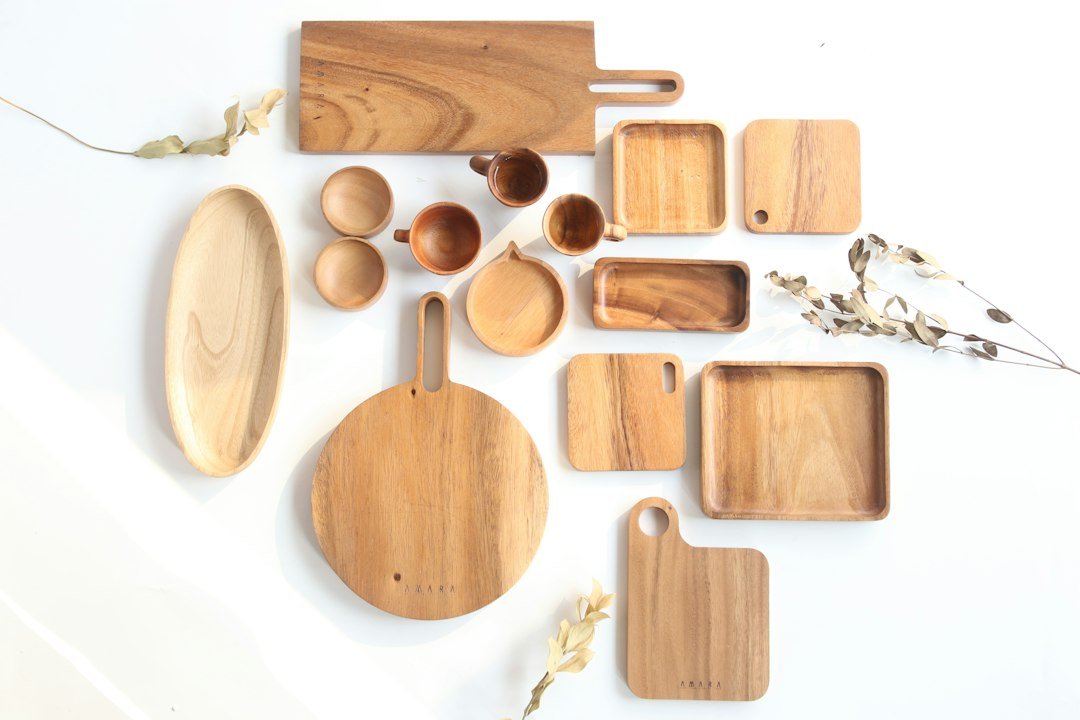
If you have a deep drawer, convert it into a spice command center with a slanted or tiered spice drawer organizer (bamboo styles are common). Laying bottles at an angle makes labels readable at a glance and keeps lids facing the same way for easy grabbing.
2. Install a narrow pull-out spice cabinet
Between a wall and fridge or at the end of a cabinet run, a slim pull-out rack keeps dozens of jars in one vertical footprint. It’s a little upfront work to install but delivers high capacity without sacrificing counter or shelf space.
3. Go magnetic for the fridge or range hood
Magnetic spice jars attach to the side of a fridge, range hood or metal backsplash and free up shelf space. Choose clear-bottom or side-label jars so you can see contents. Keep heavier seeds or larger containers on a shelf instead—magnets work best with lighter, smaller jars.
4. Tiered racks for countertop visibility
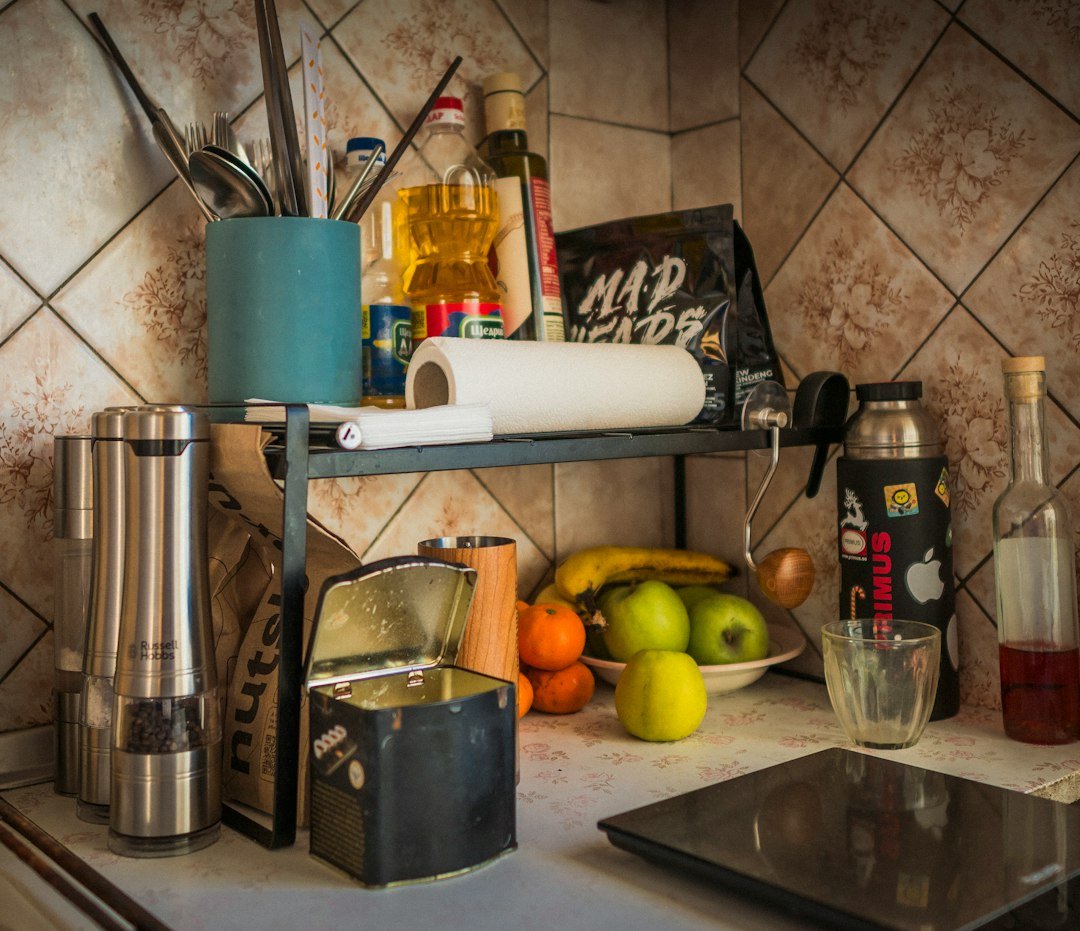
Short on cabinet depth? A tiered spice rack (two or three levels) on the counter or inside a cabinet gives front-to-back visibility. This is a fast, low-commitment setup that works well near the stove for everyday use.
5. Uniform clear bottles with consistent labeling
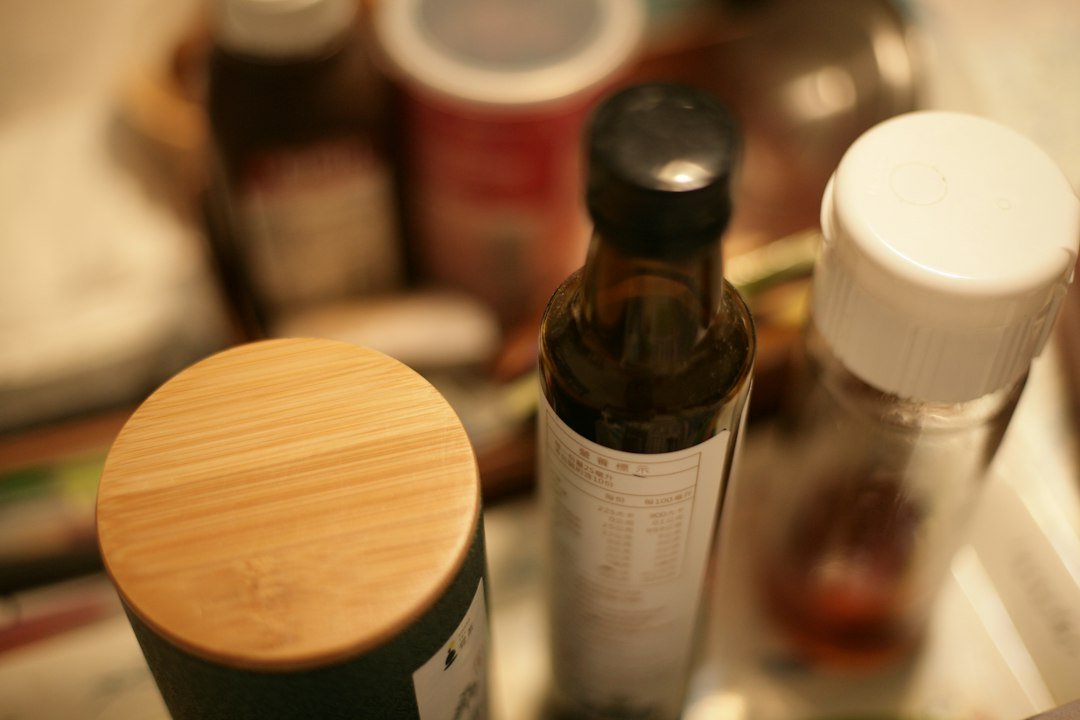
One of the biggest speed-ups is swapping mismatched jars for identical clear bottles and using consistent labels (name + date opened). Uniform shapes stack and slide reliably in racks and drawers, and transparent sides show remaining amounts.
6. Use a lazy Susan for corner counters or pantry shelves
A turntable lets you spin to the exact jar you need—ideal for a smaller holiday- or baking-focused spice collection. Choose a non-slip mat or rail if you keep it on a shelf where jars might shift while spinning.
7. Mount an over-the-cabinet door rack
Over-the-door racks that hang inside cabinet doors are inexpensive and hide spices out of sight while keeping them accessible. This works especially well for oils, vinegars, or frequently used spice packets.
8. Group spices by use, not alphabet
Rather than a strict alphabetical system, group spices where you use them: “everyday cooking” (salt, pepper, oregano), “baking corner” (cinnamon, nutmeg), and “ethnic staples” (cumin, coriander). This reduces the number of searches during a recipe.
9. Create a pantry spice zone with bins
In a larger pantry, dedicate one shelf to spices and use shallow pull-out bins to corral small bottles or packets. Bins keep things from toppling and make it easy to pull out a full row to scan labels.
10. Store bulk or infrequently used spices elsewhere
Reserve cabinet or pantry space for everyday items; move specialty or bulk spices (large sacks of chili powder, whole star anise) to a labeled container on a high shelf or in a separate storage bin. That reduces clutter where you cook daily.
11. Keep an ingredient “ready kit” for favorite dishes
For frequent dishes—taco nights, curry, Italian sauces—assemble a small tray or drawer section with that recipe’s spices. When the craving hits, everything is together and portioning is faster.
12. Protect freshness with proper containers and placement
Spices last longer in airtight, opaque or dark containers stored away from heat and sunlight. Avoid the stove-top backsplash or windowsill; a drawer or inner cabinet near the prep area is usually ideal for both access and shelf life.
13. Label with dates and rotate by use
Write the date you opened or repurchased each jar. For spices you buy in bulk, portion them into smaller jars to minimize exposure and always use older jars first. This simple habit keeps flavors bright and prevents waste.
Why this suggestion? If you’re converting a drawer, the SpaceAid Bamboo Spice Drawer Organizer (ID 3568) fits many standard drawers, keeps bottles angled and comes with the natural finish that fits most kitchens.
- Choose one primary location for daily-use spices (drawer, counter, or pull-out).
- Decide on container uniformity (clear bottles vs. original jars).
- Label jars with name and opened date.
- Group by cook-style (everyday, baking, ethnic) rather than alphabetically.
- Keep spices away from heat/light and rotate older jars first.
A tidy spice system combines visibility, consistent containers and a single accessible zone for everyday use. Start small—swap a few jars and pick a drawer or rack—and the time saved during cooking compounds quickly.
How many spices should I keep on hand?
Focus on 20–30 staples you actually use: salt, pepper, paprika, cumin, chili powder, oregano, cinnamon and a few blends. Store rarer spices separately.
Are magnetic spice jars secure enough for cooking areas?
Yes for small, lightweight jars on sturdy metal surfaces; avoid heavy glass or placing them where frequent knocks can dislodge them.
Can I store spices in the pantry instead of near the stove?
Absolutely—pantry storage is often better for freshness. Keep a curated subset near the stove for daily convenience.
What’s the best way to label spice jars?
Choose clear, consistent labels: spice name plus opened date. Use waterproof marker or printed labels for durability.
Should I transfer store spices into new containers?
Transferring to uniform, airtight jars improves visibility and storage efficiency but keep original packaging for bulk refills if needed.