
You reach for tomato paste and three different half-used cans fall on your foot. Sound familiar? Whether your pantry is a narrow closet, a set of shallow cabinets, or a roomy walk-in, small design choices stop that daily frustration. These pantry organization ideas focus on usable fixes you can implement in one weekend — some low-cost, some that need a simple tool — so the next time you open the door you actually see what you have.
Start with a fast inventory and one purge
Before buying bins or racks, pull everything out and sort into four piles: keep, toss (expired), relocate (spices in the drawer?), and donate. This reveals true capacity and prevents buying redundant containers. While you’re sorting, note items you buy often and those that are one-offs — that guides which storage styles you need.
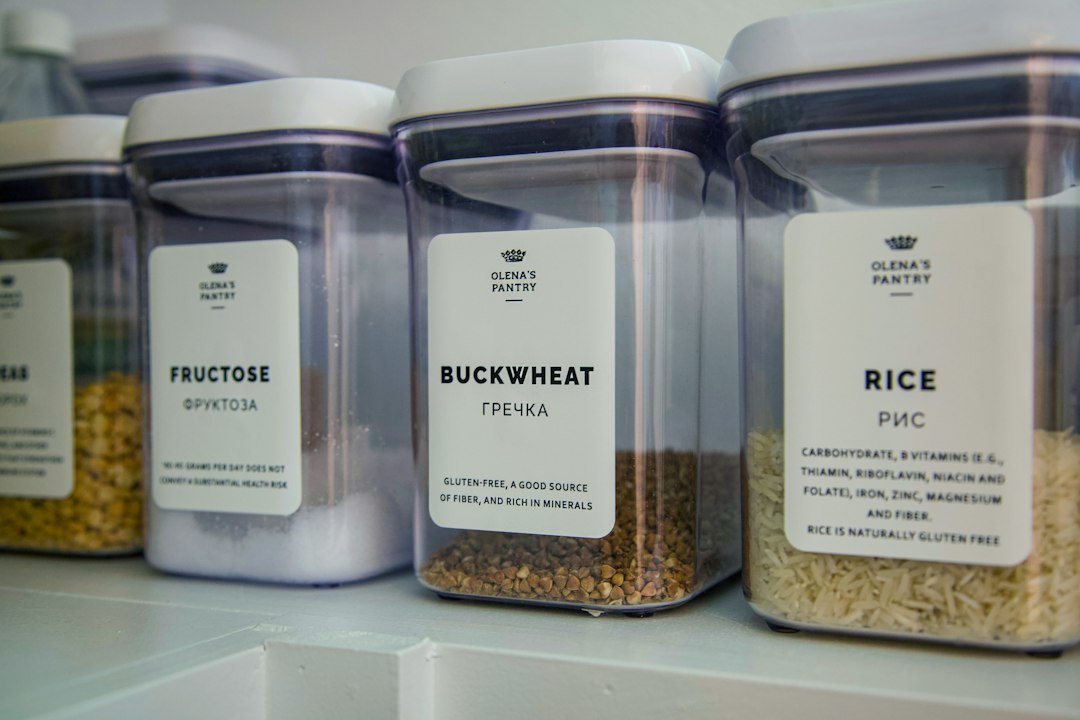
Use clear, uniform containers for dry goods
Replace mismatched boxes with stackable airtight canisters for flour, sugar, rice and cereal. Clear containers make it easy to see amounts at a glance and save vertical space when they’re the same height. Choose square or rectangular shapes to avoid wasted shelf gaps.
Label the short list, not every item
Labels are most useful on low-frequency items: baking powders, alternative flours, and bulk beans. Use a simple label maker or chalkboard stickers. On frequently used staples, rely on clear containers alone — labeling those can add friction when you’re cooking in a hurry.
Group by function, not by package
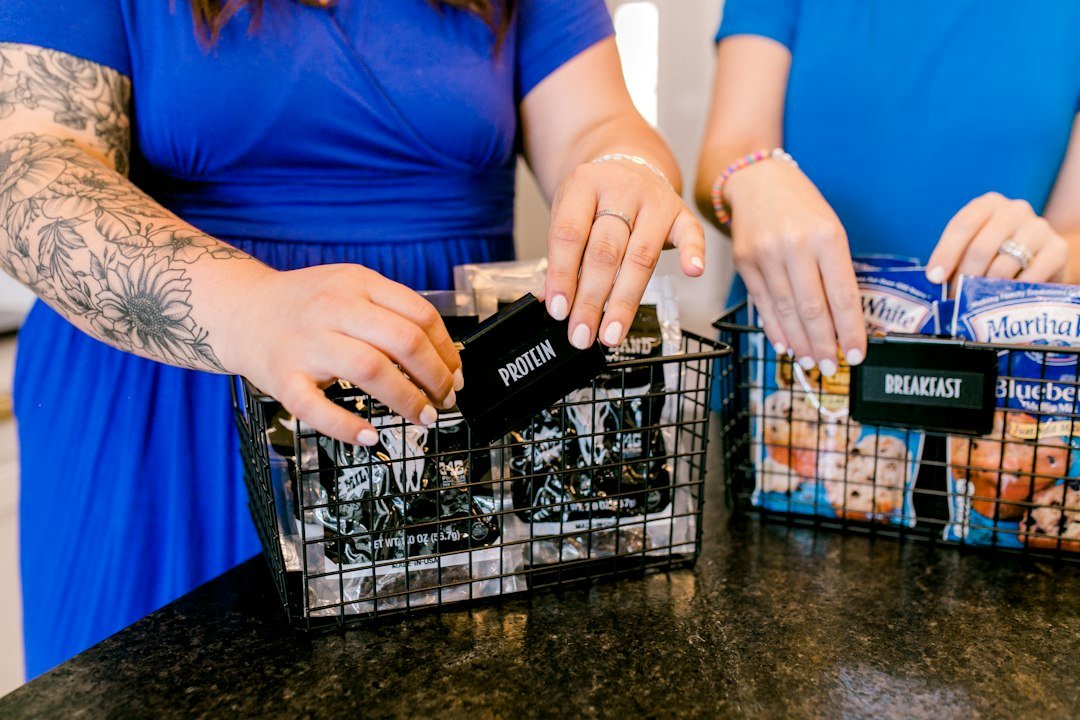
Organize shelves into zones: baking, breakfast, snacks, canned goods, and meal starters (pasta, sauce). Keeping like uses together shortens the path from shelf to counter during cooking and reduces decision fatigue when restocking.
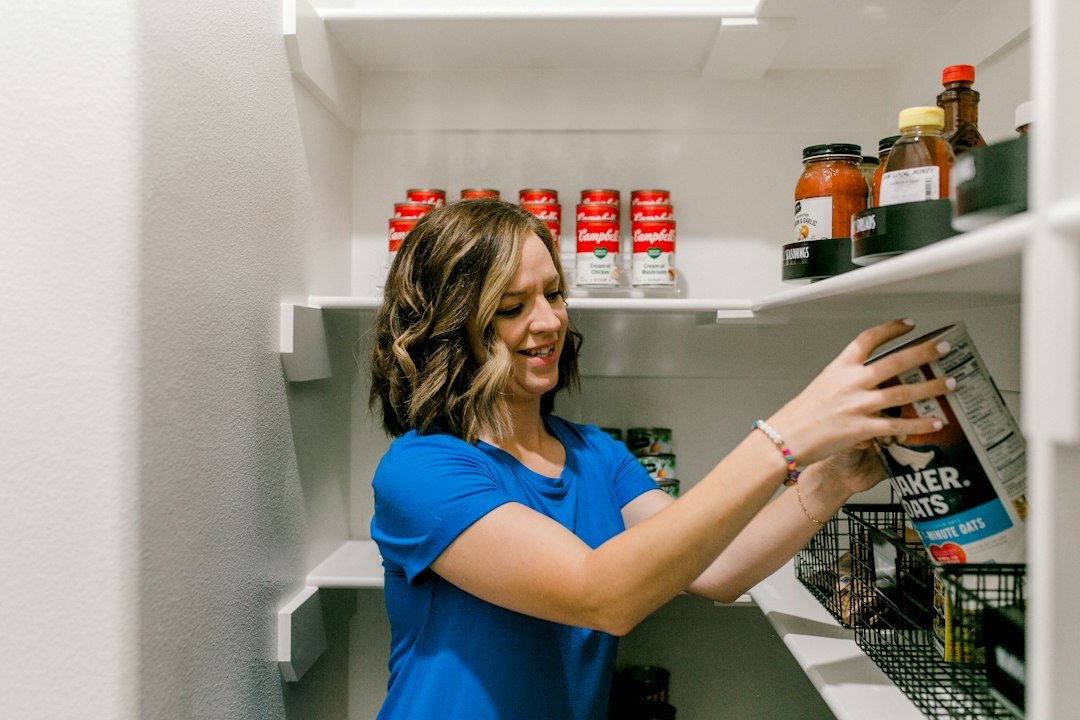
Keep cans visible with tiered organizers
Tiered can organizers or risers let you see labels on multiple rows at once so nothing hides at the back. For deep shelves, use two tiers or a long riser to avoid stacking cans directly on top of each other.
Use pull-out shelves or baskets for deep spaces
Deep shelves are notorious dead zones. Installing a single pull-out shelf or wired basket turns the back into usable space. Even non-permanent slide trays give almost the same benefit if you rent. Measure depth and weight capacity before buying.
Make the door work for you
Over-the-door racks are a small kitchen’s best friend. Use them for chips, sauces, or frequently used spices that don’t need perfect climate control. For very narrow doors, slim hanging pockets hold spice packets, condiment sachets, or tea boxes.
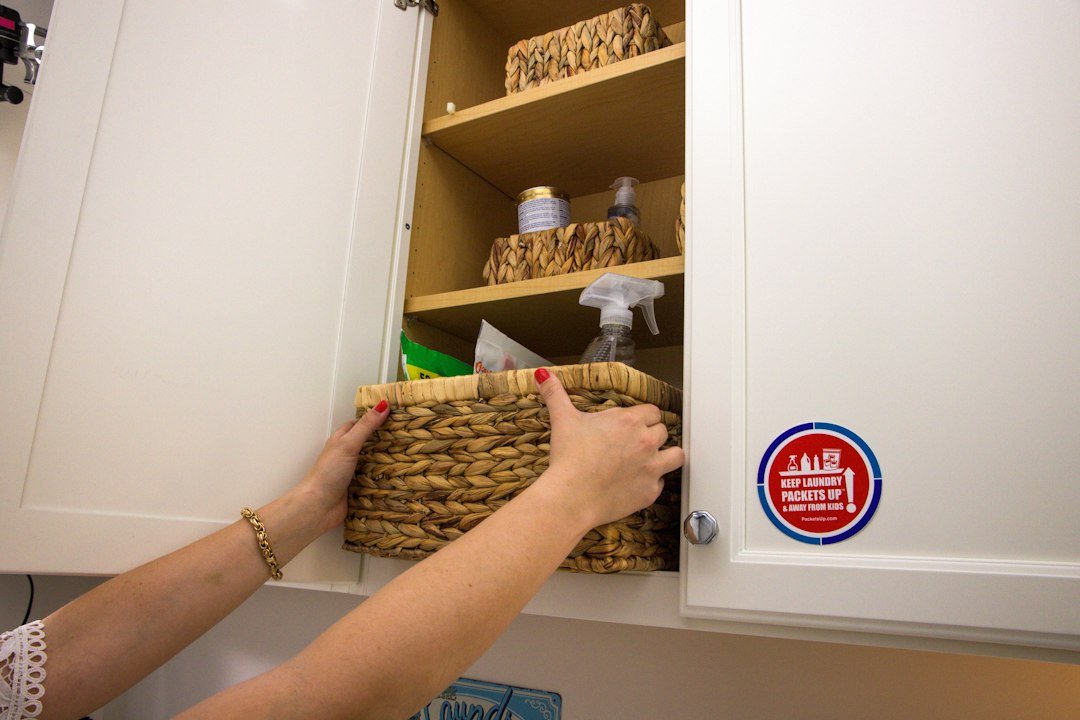
Corral small items with baskets and bins
Loose snack bags, tea, and single-serve items multiply fast. Use shallow open bins to corral them by category. Bins with handles let you lift whole groups out to the counter for prepping lunches. Choose clear or labeled bins so you don’t forget what’s inside.
Reserve an “everyday” eye-level shelf
Designate one shelf at eye level for daily items: morning oatmeal, coffee, lunch staples. That reduces opening multiple shelves and helps family members keep the pantry orderly because they know where to put things back.
Use vertical dividers for baking trays and cutting boards
Thin vertical slots convert wasted vertical space into neat storage for baking sheets, cooling racks, and cutting boards. These fit in shallow cabinets or the side of a pantry and prevent precarious leaning stacks.
Store bulk or infrequent items high or low
Keep heavy bulk bags on the floor or low shelves, and seasonal or rarely used items up high. This minimizes lifting hazards and keeps daily items within easy reach. Put a step stool near a tall pantry so the top shelf is actually usable.
Make room for cookware: consider a pot-and-pan organizer
Pantries often double as overflow cookware storage. If your shelves are cluttered with lids and pots, a vertical pot-and-pan rack reclaims shelf space and keeps lids accessible. For many kitchens, the OMISRUIS 5-Tier Pot and Pan Organizer (ID 518) is a versatile fit: it stacks vertically, handles multiple pans, and fits inside taller pantry sections.
Small investment, big payoff: lighting and shelf liners
A motion-sensor puck light makes items easier to find, and non-slip shelf liners keep glass containers from sliding. Both are inexpensive but dramatically improve day-to-day usability.
Maintenance ritual: five minutes weekly
Spend five minutes each week straightening bins, returning loose items to their zones, and tossing expired foods. Regular micro-maintenance prevents the need for a full overhaul.
- Empty one shelf, sort contents into keep/toss/donate.
- Measure shelf depth/height before buying containers or slides.
- Buy clear stackable canisters for at least two staple dry goods.
- Add one functional organizer: can riser, pull-out shelf, or door rack.
- Label selected containers and set an “everyday” eye-level shelf.
Start with a quick purge, then solve the single biggest friction point with a targeted tool (clear canisters, a can riser, pull-out shelf, or pot organizer). Small, consistent habits keep the system working: five minutes a week is enough to stay on top of it.
How do I organize a tiny pantry or cabinet?
Use vertical storage, over-the-door racks, and clear stackable containers; prioritize what you use daily and move infrequent items elsewhere.
Are clear containers worth the cost?
Yes—uniform clear containers save shelf space, show inventory at a glance, and reduce food waste by making amounts visible.
What’s the best way to store canned goods?
Use tiered risers so labels are visible, and keep similar cans together by type and use—it speeds meal prep and rotation.
Can I install pull-out shelves in a rental?
Yes—look for non-permanent solutions like slide trays or tension-based pull-out baskets that require no drilling.
How do I stop the pantry from getting messy again?
Assign zones, label selectively, and adopt a five-minute weekly tidy to return items to their place and check expiry dates.