
You fumble for a matching mug while the kettle gurgles, steam rises and the line for the office door is shortening—sound familiar? The tools and cups you use every morning should be placed for speed and care, not scavenging. Below are ten creative ways to organize coffee mugs and espresso accessories so your routine is faster, your fragile pieces are safer, and your counter stays tidy.
Keep daily mugs within arm’s reach with a dedicated countertop station
Pick the 2–4 mugs you use most and dedicate a small, visible spot on the counter. A compact coffee bar organizer with compartments contains cups, sugar, spoons and single-serve pods in one footprint, cutting the number of movement steps. For apartments or narrow counters, a tall narrow organizer works best—it stacks vertically rather than spreading sideways.
Mount under-cabinet hooks for quick grab-and-go access
Under-cabinet mug hooks free up shelf space and show cup handles for immediate visibility. Install a row above the coffee maker for the everyday set; reserve shelf space above for display or seasonal mugs. Hooks are inexpensive and simple to change if you reconfigure the kitchen later.
Use a shallow drawer insert for espresso tools and delicate cups
Shallow drawers are perfect for tamper, frothing pitcher, portafilter brushes and small demitasse cups. Choose a felt- or silicone-lined organizer to protect enamel and keep metal tools from rattling. If you own an espresso machine, storing tools directly under or beside it reduces reach and keeps grounds off counters.
Repurpose a wine rack for horizontally stored mugs
Wooden or metal wine racks make surprisingly good horizontal mug storage: they cradle mugs by the rim and prevent handle snags. This method is especially useful if you have wide open shelving and want a neater look without removing mugs from sight.
Hang a pegboard to customize storage and display
Pegboards give modular flexibility—hang hooks for mugs, shelves for milk jugs, and small baskets for packets and filters. Because you can reposition components, pegboards grow with your collection. Use a painted pegboard or a framed version so it reads like intentional decor rather than workshop storage.

Stack mugs safely with risers or stackable holders
If your mug rims are durable, stackers or tiered shelf risers double vertical space in cupboards. Use uniform height for best stability; mix-and-match ceramic with delicate glass is riskier. Stack only mugs you reach for less often—daily items are better kept unstacked to avoid extra handling.
Create zones: “everyday,” “guest,” and “specialty” storage
Divide mug storage into logical zones so you always know where to look. Everyday mugs sit near the coffee maker; guest mugs are in a front wall cabinet; specialty espresso cups and delicate ceramics live in a padded drawer or higher shelf. Zoning reduces decision time and protects fragile pieces.
Label bins for seasonal or rotating collections
Open bins on a high shelf labeled “Holiday Mugs,” “Tall Travel Cups,” or “Glassware” keep rotating collections boxed but accessible. Clear or mesh-sided bins let you see contents; labels speed retrieval and prevent unnecessary shifting of other items.
Corral loose espresso accessories in magnetic strips and trays
Small metal tools—tamping spoons, clip-on thermometer tips, spare screws—are easy to misplace. A short magnetic strip on the backsplash or a small divided tray inside a drawer keeps those pieces visible and stable. Magnetic strips are particularly good for steel portafilters or small metal tampers.
Design for cleaning and spill control
Always plan for grounds, drips and splashes. Place an easy-to-wipe mat under the coffee maker and use trays for grouped items so crumbs and spills collect in one place you can shake or wash. Leave a little breathing room around electric equipment for airflow and cleaning access.
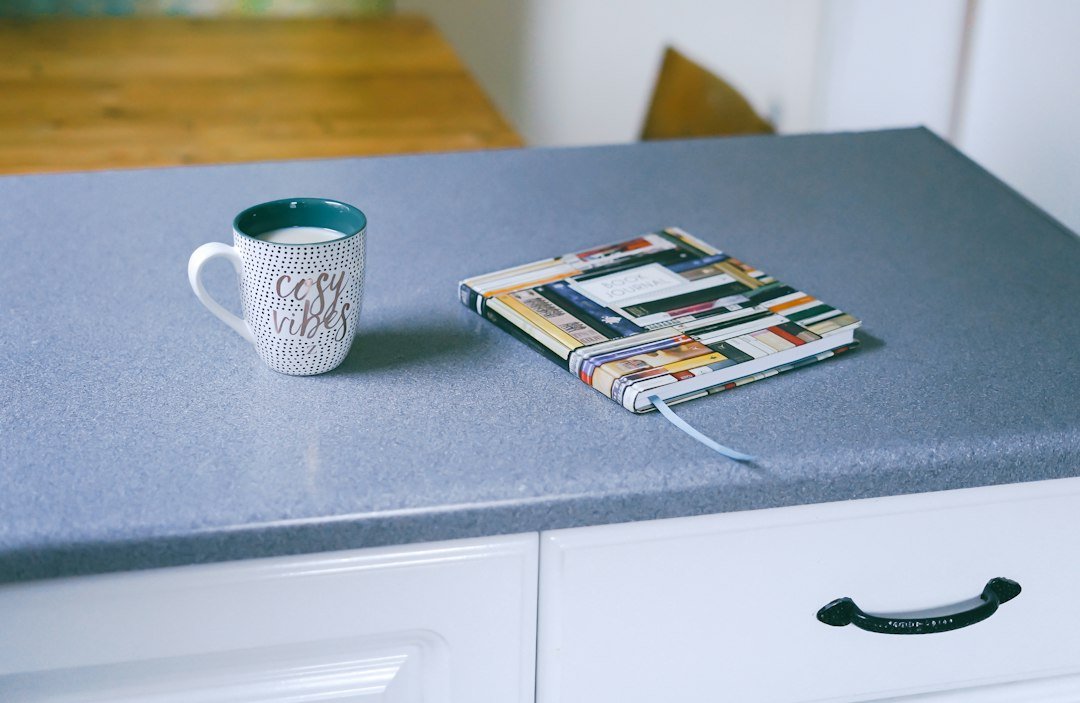
- Choose 2–4 daily mugs to keep on the counter or under-cabinet hooks.
- Fit a shallow drawer insert for espresso accessories and delicate cups.
- Add a small tray or mat under the coffee machine for spills.
- Label high or seasonal storage bins for easy rotation.
- Install pegboard or risers if you need modular flexibility.
Prioritize convenience for daily items and protective storage for fragile or rarely used pieces. Small investments—hooks, a drawer insert, a compact coffee bar organizer—reduce morning friction and lengthen the life of mugs and espresso tools.
How many mugs should I keep on the counter?
Keep 2–4 everyday mugs accessible: enough for household use without cluttering the counter. Rotate extras to labeled bins or cabinets.
Are under-cabinet hooks safe for all mugs?
They work best with sturdy rims and handles; thin or gilded rims from vintage cups can chip. Test one mug first and avoid overloading each hook’s weight limit.
Where should espresso tampers be stored?
Keep tampers in a shallow drawer with a non-slip liner or on a small countertop tray next to the machine for quick reach after dosing.
Can I stack glass mugs?
Only stack glass mugs designed for stacking; otherwise store glassware unstacked in padded bins or on risers to prevent chips and stress cracks.