
What really matters when choosing between stainless steel vs nonstick
When deciding between stainless steel vs nonstick cookware, focus on three practical questions: What do you usually cook? How much maintenance will you do? And how long do you want the pans to last? Ignore marketing buzzwords like “professional-grade” or vague claims about “better flavor” — the differences are concrete: heat behavior, sticking, cleaning, durability and cookware safety limits.
How these pans differ where it counts
Heat control and cooking performance
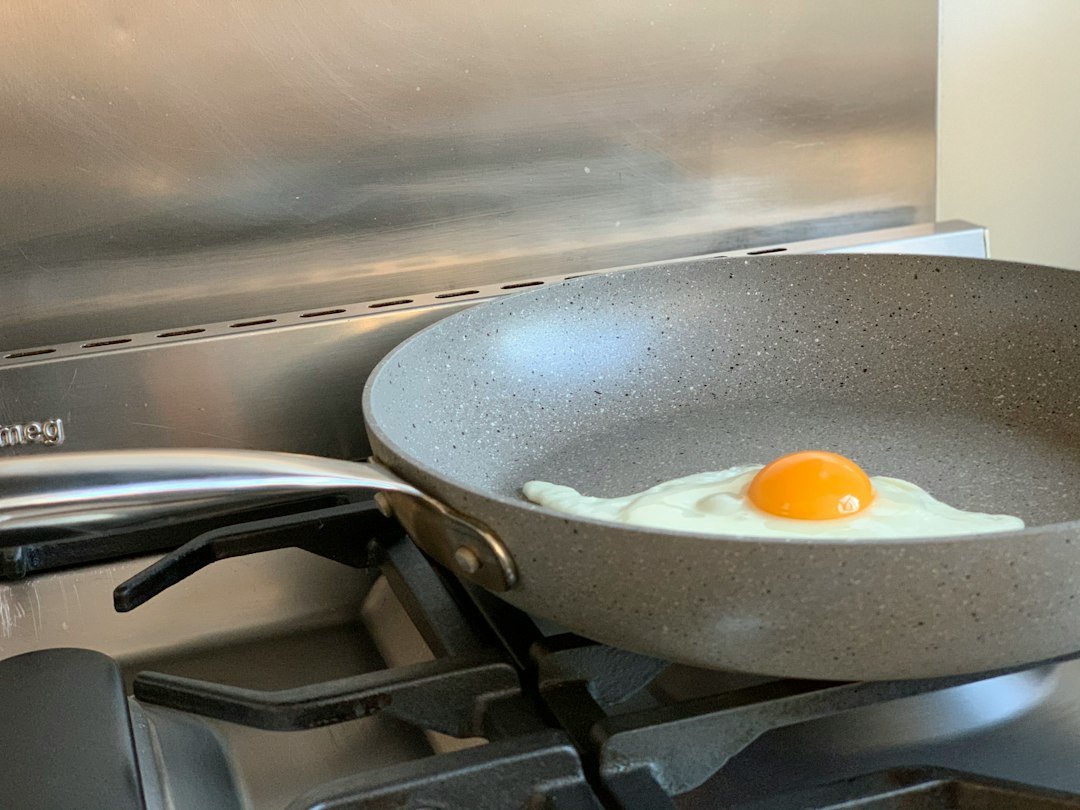
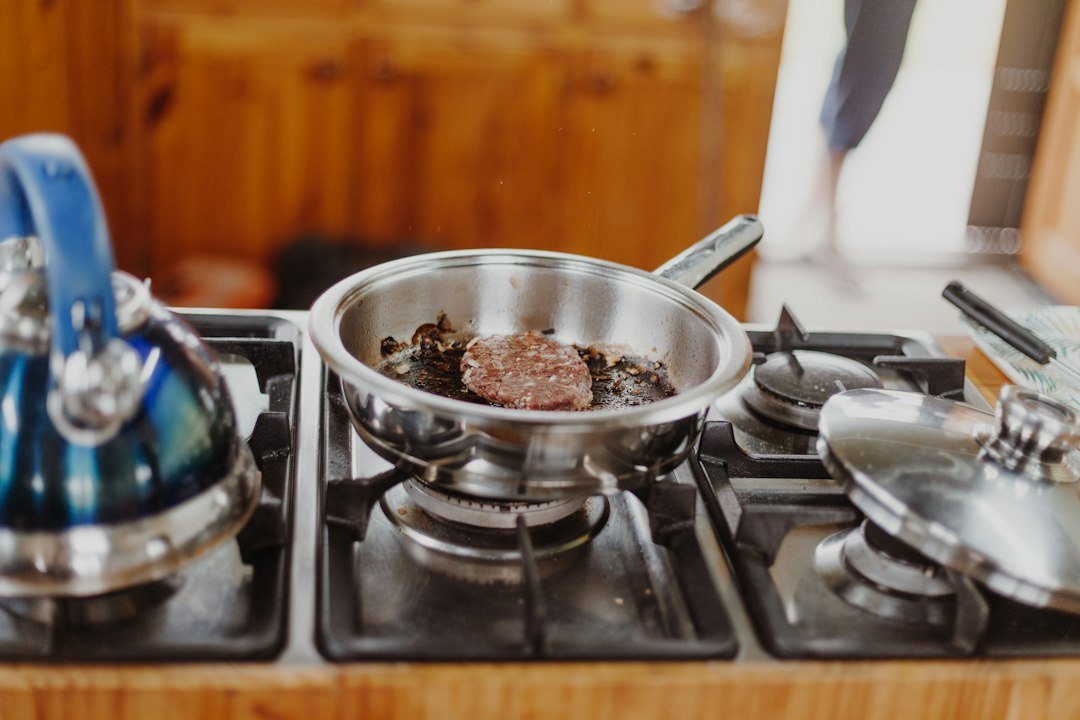
Stainless steel wins for high-heat work. It tolerates very hot pans and produces the brown crust (Maillard reaction) you want for steak, sautéed vegetables and pan sauces. Nonstick is best for low- to medium-heat tasks: eggs, pancakes and delicate fish — foods that benefit from easy release rather than aggressive searing.
Sticking, flipping and utensil use
Nonstick surfaces are engineered to release — so flipping eggs is nearly effortless. Stainless steel requires more technique (preheating, oiling, proper temperature) to prevent sticking, and it allows metal utensils without surface damage. With nonstick, use silicone, wood or nylon utensils to avoid scratching.
Durability and lifespan
Properly cared-for stainless steel can last decades; its performance won’t “flake” or degrade with routine use. Nonstick coatings wear down: even high-quality PTFE or ceramic finishes typically show reduced release after a few years under everyday use. If you want a one-purchase-for-life tool, stainless steel is the safer bet.
Cleaning and maintenance
Nonstick is easier to clean right away — stuck-on food is rare — and often dishwasher-safe (check your brand). Stainless steel can require soaking and scrubbing for burned-on food, but it tolerates abrasive cleaners and scouring pads that you must never use on nonstick. For many home cooks, the convenience of nonstick is a daily time-saver.
Safety and temperature limits
Nonstick coatings can degrade at very high temperatures; manufacturers recommend avoiding empty-pan heating above high settings and using nonstick mostly at low–medium heat. Stainless steel has no coating to worry about and is usually oven-safe to much higher temperatures, making it a better choice for pan-to-oven recipes or broiling finishes.
Weight, handling and storage
Stainless steel cookware — especially with heavier multi-ply construction — tends to be heavier and more stable on the stove. Nonstick pans are often lighter and easier to lift, which can matter for people with limited wrist strength or when stack-storing sets in small kitchens.
Trade-offs to consider — not every strength matters equally
Think in use-cases rather than lists. If you rarely sear meat and mostly cook breakfast or thin fish, the convenience of nonstick will be more valuable than stainless steel’s searing edge. If you roast, deglaze, finish sauces in the pan or want a single durable set, stainless steel gives more versatility.
Cost vs long-term value
Entry-level nonstick sets can be cheaper initially, but replacement cycles are shorter. A mid-range stainless steel set costs more up-front but often pays off over years. Factor in how often you’ll cook and whether you’re willing to replace worn nonstick over time.
Health and environmental questions
Modern PTFE-based nonstick coatings are generally safe when used per manufacturer instructions; avoid overheating and discard pans with flaking surfaces. Ceramic nonstick avoids PTFE but can lose its nonstick properties quicker. Stainless steel contains no coating to wear; look for 18/10 or 18/8 markings for chromium/nickel content if corrosion resistance and shine matter.
Which option is right for different cooks
The weekend steak-and-sauce cook
If you regularly sear steaks, build pan sauces, or braise, stainless steel is the clear winner. It delivers better fond for sauces and tolerates high-heat finishes in the oven.
The weekday breakfast and quick dinner cook
If you make eggs, omelets, pancakes, or sauté delicate fish several times a week and want minimal cleanup, nonstick will save time and frustration.
The small kitchen or limited storage
For apartments or students who need a few pans and minimal upkeep, a good nonstick skillet plus one stainless steel saucepan covers most bases. Prioritize a nonstick 10–12" skillet and a stainless steel 2–3 quart saucepan.
The budget-aware long-term buyer
If you prefer to buy once and avoid replacements, invest in a mid-range stainless steel set and add a single nonstick skillet for eggs. The stainless set handles most tasks and lasts longer.
Product recommendation to match common needs
If you need a versatile utensil companion that protects nonstick surfaces and helps extend cookware life, a full set of heat-safe silicone utensils is useful alongside either pan choice.
Quick practical buying and care checklist
- List the three meals you cook most often and match pan strengths to them (searing = stainless; eggs = nonstick).
- Check heat limits and oven safety in the product specs before purchase.
- Plan for utensils: buy silicone or wood for nonstick pans to avoid scratching.
- Choose multi-ply stainless steel for even heating; look for a thick base on nonstick pans for better heat distribution.
- Decide how long you expect to keep the set — replaceable short-term vs long-term investment.
Stainless steel offers unmatched heat performance, durability and oven versatility; nonstick offers convenience and low-effort cleanup for delicate foods. For most home kitchens, a combination — one quality stainless pan and one reliable nonstick skillet — covers nearly every meal.
Can I use metal utensils on stainless steel and nonstick?
Use metal utensils freely on stainless steel. On nonstick, avoid metal to prevent scratching; silicone or wooden utensils are safer.
Is nonstick safe at high temperatures?
Nonstick coatings degrade at very high temperatures; follow manufacturer guidelines and avoid heating empty pans on high heat.
How do I prevent food from sticking to stainless steel?
Preheat the pan, add enough oil, wait until the oil shimmers, then add food; proper temperature control and patience reduce sticking.
When should I replace a nonstick pan?
Replace when the coating flakes, peels or no longer releases food reliably; also replace if deep scratches expose the base metal.
Is a mixed set (both types) worth it?
Yes — most cooks benefit from a durable stainless set for heavy tasks plus one or two nonstick skillets for delicate foods and easy cleanup.