
Short answer — what to buy and why
If you cook most days, aim for a compact 3–6 piece best kitchen knife set centered on a quality 8" chef's knife, a 3–4" paring knife, and a serrated/bread knife; add a utility knife and a honing steel or sharpener if you frequently prep small ingredients. Prioritize blade steel (stainless vs high-carbon), edge retention, a comfortable handle, and a storage solution you will actually use.
Now the nuance: which exact mix and materials matter for your cooking style, budget, and how much time you’ll spend maintaining knives.
What actually matters when choosing a kitchen knife set
Before looking at brands or price tags, use these decision filters in order.
1. What you cook most
Match blades to tasks. If you chop vegetables and roast meats daily, a good chef's knife plus paring and serrated knife handles 90% of work. If you bake often, prioritize a long serrated blade. If you prep fish, consider adding a flexible fillet knife or buying a set that includes one.
2. Blade steel and edge retention
High-carbon stainless steels hold an edge longer and resist rust; pure high-carbon steels sharpen easily but can stain. For everyday cooks, look for high-carbon stainless formulations—easier care with good sharpness life. Edge retention matters more than marketing terms: better steel means fewer sharpenings.
3. Blade construction and hardness
Forged blades (from a single piece of steel) are often stronger and better balanced; stamped blades are lighter and can still be excellent value. Hardness (HRC) affects brittleness vs durability: mid-to-high hardness (56–62 HRC range) is common for kitchen knives—harder means longer edge retention but more careful use required.
4. Handle ergonomics and safety
Handle shape affects control during long prep sessions. Look for a handle that fits your dominant hand comfortably with a finger guard or bolster for safety. Materials range from wood (warm, attractive but needs care) to synthetic composites (durable, dishwasher-safe in some cases). Try holding a knife before buying if possible.
5. Set composition and what you’ll actually use
Many large sets include redundant or rarely used tools (mezzaluna, carving forks, steak knives). For everyday cooking, prioritize:
- 8" chef's knife (workhorse)
- 3–4" paring knife (detail work)
- 8–10" serrated/bread knife
- Optional: 6" utility knife and a honing rod or sharpener
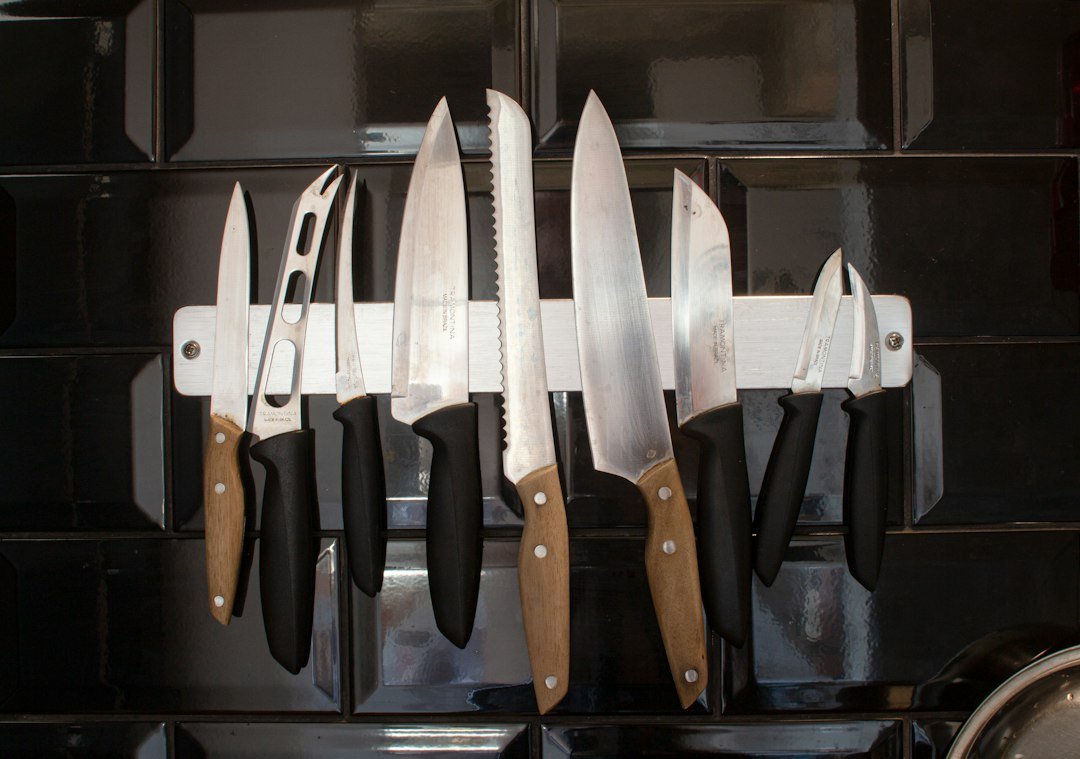
Storage: choose a block, magnetic strip, or in-drawer tray depending on space and safety. Magnetic strips save counter space and keep knives visible; blocks protect edges but take counter space and can trap moisture if not ventilated.
How to choose by use case
Below are common kitchen profiles and the best set choices for each.
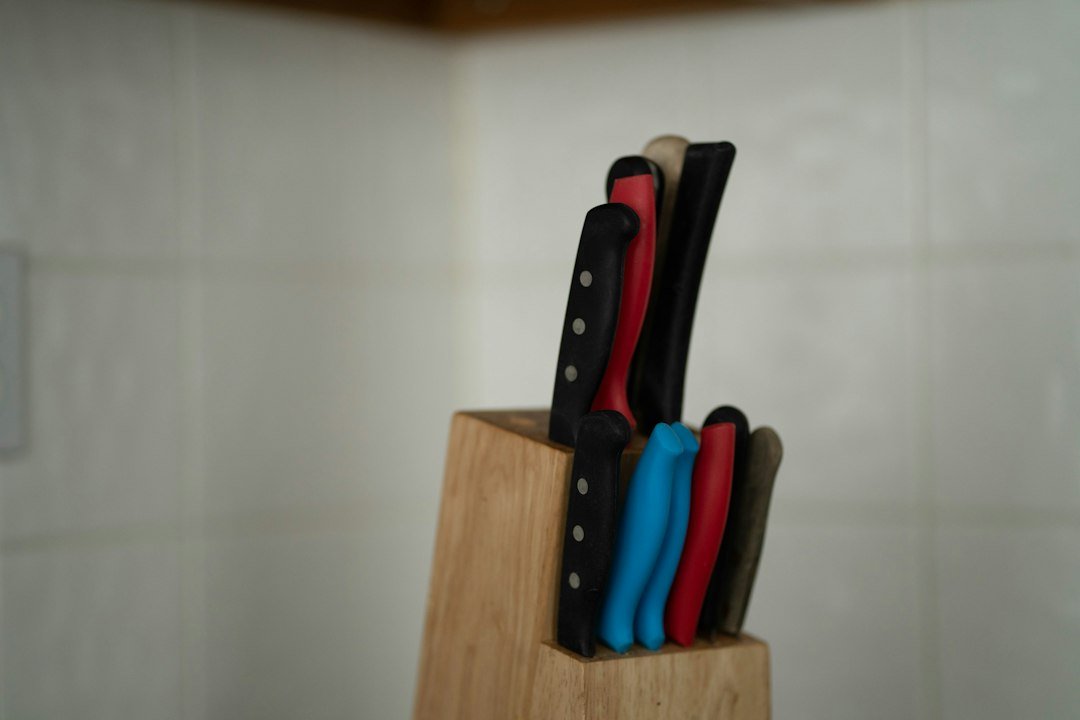
Everyday home cook who preps vegetables and roasts
Choose a 3–5 piece set anchored by an 8" chef's knife, paring knife, and serrated knife. Prefer forged high-carbon stainless blades and a comfortable full-tang handle.
Small household/beginner cook with limited storage
A compact 3-piece set (chef's, paring, serrated) on a magnetic strip or in-drawer organizer is ideal. Skip large novelty sets; buy one quality set you will use daily.
Home baker
Make the serrated/bread knife the focal point; ensure the set includes a long serrated blade or buy it separately. A durable chef's knife still helps for prep.
Entertainer or someone who carves meats often
Add a carving knife or long slicing blade. Check that the set offers a dedicated slicer or that individual blades can be bought a la carte.
Maintenance and real-world trade-offs
No matter which set you buy, maintenance affects longevity and performance more than small differences in marketing. Key steps:
- Hone regularly (every few uses) to realign the edge—this keeps knives usable between sharpenings.
- Sharpen properly (stone, guided sharpener, or professional) when honing no longer helps. Frequency depends on use and steel quality.
- Wash by hand and dry immediately unless the manufacturer explicitly allows dishwasher use—dishwashers dull and can damage handles.
- Store to protect edges: magnetic strip, block with slots, or in-drawer tray. Never toss loose in a drawer.
When to upgrade or replace knives
Replace or professionally reprofile blades when chips form, the edge repeatedly fails to hold after sharpening, or a handle is cracked. Upgrade if you find yourself performing specific tasks regularly (filleting fish, heavy boning) that your current set doesn't support.
Practical product recommendation
If you want a ready-made option that fits the everyday cook profile described above, consider the Astercook 15 Piece German set for comprehensive coverage and durable high-carbon stainless steel—it's a good match if you want a fuller set with a sharpener included. For a smaller, essential-focused purchase, choose a compact 3–5 piece set that highlights an 8" chef's knife and serrated blade.
Quick buying checklist before you click “add to cart”
Use these last-minute checks to avoid common mistakes.
- Does the set include an 8" chef's knife and a serrated knife? If not, plan to buy one separately.
- Is the steel described as high-carbon stainless or similar (not just “stainless”)?
- Is the handle full-tang and comfortable in photos or in-store? Can you return if it doesn’t fit your grip?
- What storage comes with the set and does it fit your kitchen layout?
- Does the set include a sharpener or honing rod, or will you need to buy one?
- Confirm core knives: chef's, paring, serrated.
- Prefer high-carbon stainless steel for low maintenance and good edge life.
- Test handle grip or verify return policy if buying online.
- Choose storage that protects edges and fits your space.
- Plan for a honing rod and periodic sharpening.
Pick a compact set that covers the three daily tasks: chopping, precision work, and slicing bread. Prioritize blade steel and handle comfort over extras, commit to simple maintenance, and store knives safely—this combination gives the best daily performance for most cooks.
Do I need a full 15-piece set?
No. Most home cooks use three to five knives daily; large sets often include redundant or seldom-used tools. Buy essentials first and add specialty knives as needed.
Is stainless steel better than high-carbon steel?
High-carbon stainless mixes offer a balance: they hold an edge well and resist staining. Pure high-carbon steels sharpen easily but need more care to avoid discoloration.
How often should I sharpen my knives?
Sharpening frequency depends on use and steel—many home cooks sharpen 1–3 times per year and hone weekly or every few uses.
Are magnetic strips safe for knives?
Yes, when installed correctly at a height away from children. Magnetic strips expose blades but prevent slot-induced edge dulling and save counter space.
Can I put knives in the dishwasher?
Avoid it. Dishwashers can dull blades and damage handles; hand washing and immediate drying preserves edge life and appearance.