
Focus quickly: what actually matters when you choose a coffee grinder
If you're trying to choose a coffee grinder, the single most important thing is grind consistency for your brew method. Consistent particle size gives predictable extraction; everything else—brand cosmetics, flashy extras, or whether it’s stainless steel vs. ceramic—matters far less. You can safely ignore marketing about “ultra-fast” grinding (often increases heat) and confusing claims about proprietary burr shapes unless you care about incremental sound or looks.
Decide first how you mainly brew: espresso, pour-over/auto-drip, French press/cold brew, or a mixed routine. That determines the grind range and precision you need. After that, weigh capacity, speed, dose control, and budget.
Match grinder type to your brewing style
Below are practical pairings—read the short recommendation for your situation, then check the trade-offs.
Espresso: you'll need a precise burr grinder
Why: Espresso demands very fine, narrow-range settings and low retention so each shot tastes the same. What to look for: stepped or (better) micro-stepped adjustments, conical or flat burrs, small grind retention, and a way to grind directly into a portafilter or a timed/dosed chute.
Trade-offs: High-precision espresso grinders cost more and can be bulkier and louder. If you’re dialing in multiple single-origin espressos, expect to adjust grind often.
[hAZAM_PRODUCT_CARD id="4059"]Pour-over and drip: consistency and a wide, repeatable range
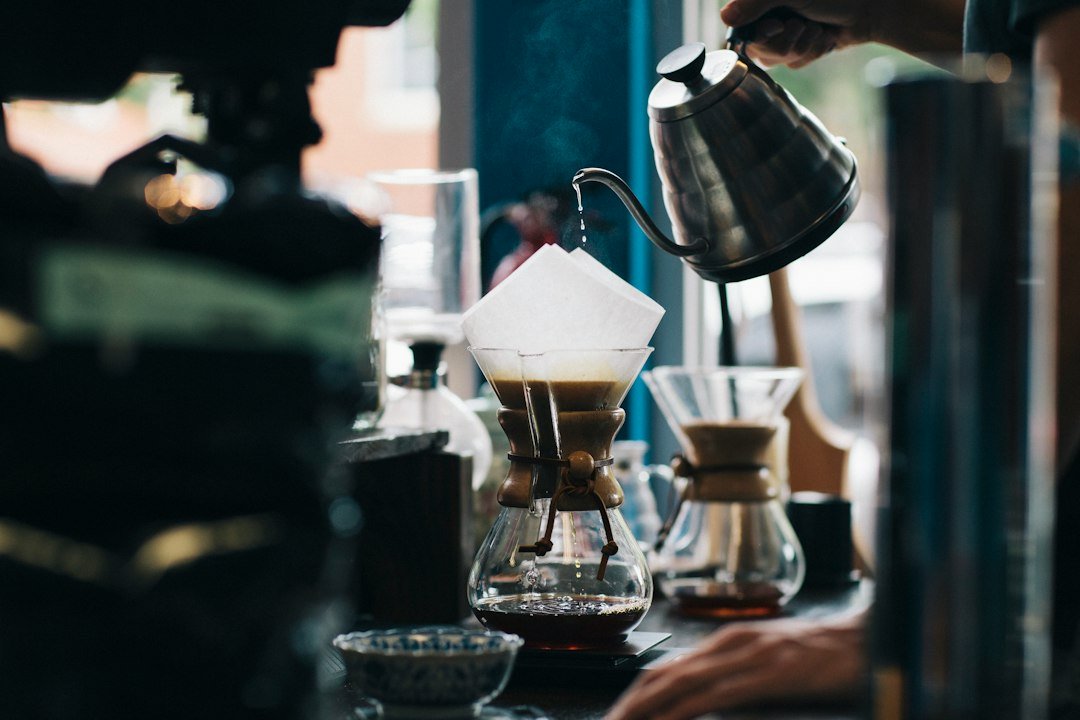
Why: Pour-over benefits from even medium-fine to medium-coarse grinds depending on recipe. What to look for: uniform burrs (burr grinders only), good mid-range settings, and steady output so your pour timing isn’t interrupted.
Trade-offs: You don’t need the absolute fineness of an espresso grinder, so you can save money by choosing a grinder optimized for pour-over but with decent adjustability if you also brew drip.
French press and cold brew: go coarse, aim for low fines
Why: Coarse, even particles avoid over-extraction and reduce grit. What to look for: large burrs for coarser settings and few small particles; some low-cost grinders produce too many fines at coarse settings, which ruins texture.
Trade-offs: You can get away with less precision, but avoid blade grinders entirely—their inconsistent particle sizes make muddy, bitter brews.
Mixed-use household grinder: versatile and forgiving
Why: If you make espresso some days and French press others, buy a grinder with a broad grind range and reliable adjustments. What to look for: high-quality burrs, a broad stepped or continuous adjustment range, and manageable retention.
Trade-offs: These grinders are compromises—good at many tasks but rarely best at extreme fineness for competitive espresso or extreme coarseness for chunky French press. The Fellow Opus 2-style devices in the market are examples of high-performing all-rounders.
Key technical factors that change the cup
Understand these elements; they actually affect flavor.
- Burr type and size: Burrs (not blades) produce consistent particles. Larger burrs heat less and handle capacity better; flat burrs often produce marginally more uniformity but can be louder.
- Adjustment precision: Look for micrometric or stepped adjustments for espresso; coarser brews can accept broader steps. The ability to repeat settings is crucial—knobs with clear numbering help.
- Dose control and retention: Electronic timers or volumetric dosing help make shots repeatable. Low retention (few grams trapped in the grinder) matters if you switch beans or roasts frequently.
- Grind speed and heat: Fast grinders can heat beans and change flavor—metal burrs at high RPMs risk warming. For home use, moderate speed is fine.
- Noise and footprint: Consider where you’ll place it. If counter space is limited and mornings are shared, quieter or smaller models can matter.
Manual vs. electric: when to choose which
Manual grinders are inexpensive, portable, and give excellent consistency for pour-over and French press if you’re willing to hand-crank. Choose a well-built conical burr model if you travel or grind small daily doses.
Electric grinders are hands-free and necessary for espresso or households that need speed and repeatability. If you brew multiple cups daily or pull espresso, pick electric.
When a specific product solves your need
After you’ve decided your primary brew method and necessary features, choose the highest-ranked product in the catalog that fits those criteria.
For a versatile home grinder that handles pour-over and drip reliably and offers broad functionality for occasional espresso, consider a well-regarded midrange burr grinder with low retention and clear settings. For espresso-focused households, prioritize a machine built for fine adjustments and low retention. For straightforward pour-over and French press fans on a budget, a smaller electric burr or quality manual grinder will do the job better than any blade model.
Maintenance and real-world tips that keep beans tasting their best
- Clean burrs monthly or per manufacturer guidance—oils and fines change flavor and consistency.
- Grind only the dose you need; pre-ground coffee loses aroma quickly.
- Store beans in an airtight container away from heat and light; freshness affects how forgiving your grinder needs to be.
- If switching between light and dark roasts or flavored beans, purge a few grams between batches to avoid cross-flavoring.
Short perspective before you buy
If you primarily drink espresso, buy a quality electric burr grinder with fine adjustment—even a budget compromise will pay off. If you only brew coarser methods, prioritize a burr grinder with good coarse settings or a trusted manual model. Avoid blade grinders; they undercut flavor across every method.
- Confirm your primary brew method (espresso, pour-over, French press, or mixed).
- Choose burrs (conical or flat) not blade; check burr size if you brew large batches.
- Decide on dose control: timed, volumetric, or manual dosing.
- Check grind adjustment precision and retention specs or reviews.
- Plan where it will sit—measure counter space and consider noise level.
- Set a realistic budget: good burr grinders start at modest prices but espresso-grade units cost more.
Match grinder capability to the grind range you actually use: fine and precise for espresso, consistent medium for pour-over, coarse and low-fines for French press. Prioritize burrs, repeatable adjustments and low retention; the right grinder transforms consistency more than any other upgrade.
Can I use one grinder for espresso and pour-over?
Yes—many quality grinders cover the range, but expect trade-offs: they may need careful adjustment and can retain small amounts of different grinds between uses.
Are burr grinders worth the extra money?
For real coffee improvement, yes. Burr grinders deliver consistent particle size that improves extraction and flavor compared with blade grinders.
How often should I clean my grinder?
Light cleaning every 1–2 weeks for frequent users and a deep burr clean monthly keeps flavors fresh and performance consistent.
Does burr material (steel vs ceramic) matter?
Steel burrs are durable and efficient; ceramic can stay sharp longer and run cooler but are more brittle. For most home users, steel is a practical choice.
Is a manual grinder good for espresso?
High-quality manual grinders can reach espresso fineness but require significant effort and are best for single-dose use or travel rather than daily home espresso routines.