
Most beginners overestimate the machine and underestimate the grinder
The fastest route to café-quality shots is not buying the priciest espresso machine; it’s getting consistent grind size, dose and tamp. Learn to make espresso at home by focusing first on grind and routine—then match a machine to that workflow.
How to make espresso at home — the simple process
Here’s the concise workflow you can practice immediately. Follow it, then refine variables: grind, dose, tamp, and extraction time.
- Preheat machine, portafilter and cups for a minute to stabilize temperature.
- Weigh and grind fresh beans: typical starting dose 18–20 g for a double shot.
- Distribute and tamp evenly (level, 30–40 lb of pressure, consistent orientation).
- Lock portafilter into the group head and start extraction.
- Aim for 25–30 seconds extraction to yield roughly 36–40 g (1:2 ratio) for a balanced double.
- Stop, taste, and adjust one variable at a time (grind finer if too fast/weak; coarser if too slow/bitter).
Choosing equipment that actually matters
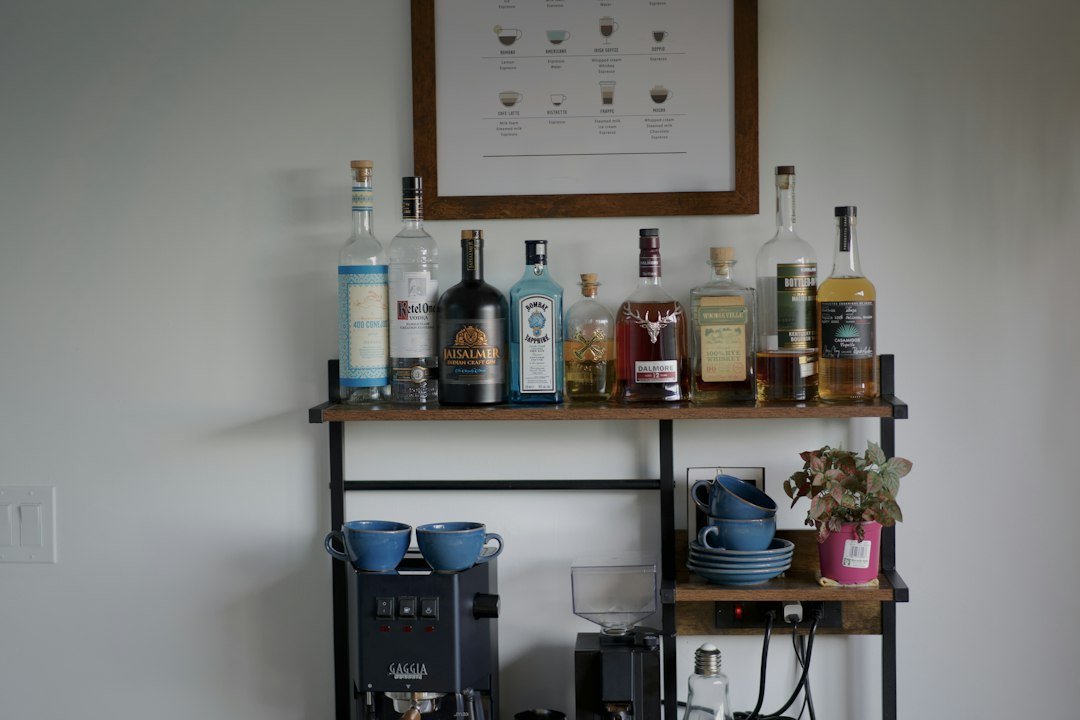
Essentials: a good burr grinder, a reliable espresso-capable machine, a tamper that fits your portafilter, and a small scale. You can make acceptable espresso with a modest machine if the grinder and routine are solid.
- Grinder: A consistent burr grinder is the single most impactful purchase after beans. Look for steady, repeatable settings; step-less adjustment is ideal for dialing in.
- Machine: For beginners, a 20-bar semi-automatic or compact pump machine with basic temperature control and a steam wand is a practical choice—full commercial boilers are unnecessary at first.
- Tamper: Match tamper diameter to your portafilter (51mm is common). A flat, well-weighted tamper improves uniformity.
- Scale & timer: Measure dose and yield; extraction time is your test metric.
Dialing in: grind, dose and extraction explained
“Dialing in” means changing one variable until the shot hits the target extraction window and flavor. Use this order: grind → dose → extraction time.
Start with 18–20 g dose for a double. Pull a shot and time it:
- If the shot pours very fast (<20 s) and tastes sour/weak, grind finer or increase dose.
- If the shot pours very slowly (>35 s) and tastes bitter/astringent, grind coarser or reduce dose.
- Keep yield (liquid out) near a 1:2 ratio (e.g., 18 g in → 36 g out) and taste. Adjust small amounts—0.2–0.5 g on the grinder or 0.5–1 g on dose.
Good tamping and distribution without overthinking
Even distribution before tamping prevents channeling. Use these simple techniques:
- Level the puck with a distribution tool or gently tap the portafilter edge; avoid overly aggressive spinning that compresses unevenly.
- Tamp straight and steady at about 30–40 lb of force—practice with a bathroom scale to feel it once, then be consistent by feel.
- Polish with one short clockwise twist only if it helps surface uniformity; avoid ritualized over-polishing.
Shot evaluation: what to look (and taste) for
Look at the flow: a steady, honey-like stream that starts dark and lightens to golden blond. Crema should be persistent and chestnut-colored. Taste is the final judge:
- Sour/dry: under-extracted—grind finer or increase dose/extraction time.
- Bitter/astringent: over-extracted—grind coarser or reduce time/dose.
- Balanced with sweetness and acidity: you’re close—make only tiny adjustments.
Milk steaming basics for espresso drinks
For lattes/cappuccinos: purge the steam wand, submerge tip just below surface to create microfoam, then lower pitcher to heat to 55–65°C (130–150°F). For beginners, aim for silky texture, not latte art—smooth milk accentuates espresso flavor.
A practical starter product suggestion
If you want one item to improve shots noticeably, buy a properly sized tamper that fits your machine’s portafilter—it's inexpensive and increases tamping consistency.
Common beginner mistakes and easy fixes
- Skipping scale/timer: guesswork hides real problems—measure dose and yield every time.
- Changing multiple variables at once: adjust only one thing per shot to learn effects.
- Using stale beans: buy whole beans and use them within 2–3 weeks of roast; store in a cool, airtight container.
- Cold portafilter or cup: preheat to avoid temperature loss that changes extraction and crema.
When to upgrade equipment
Keep using your setup until you hit a practical ceiling: inconsistent grind, unstable brew temperature, or inability to steam milk properly. Then prioritize a better grinder first, followed by a machine with temperature stability and a good steam wand.
- Warm machine, portafilter and cups.
- Weigh and grind dose on a scale.
- Distribute and tamp evenly with correct tamper diameter.
- Time extraction and note yield (aim ~25–30 s, 1:2 ratio).
- Taste and change only one variable per trial.
To make espresso at home, prioritize a consistent grinder and a repeatable routine—measure doses, tamp consistently, and use extraction time as your feedback loop. A well-matched tamper completes a beginner’s toolkit and yields the biggest immediate improvement.
What grind setting should I use for espresso?
Aim for a fine, but not powdery, espresso grind. Exact setting depends on your grinder; make small adjustments until extraction hits 25–30 seconds for a double.
How much coffee should I use for a double shot?
Start with 18–20 g in and aim for about 36–40 g out (1:2 ratio). Adjust dose slightly for taste and equipment differences.
Do I need a 20-bar machine to make good espresso?
No. Pump pressure ratings can be marketing; stable brew temperature and consistent pressure during extraction matter more than a high bar number.
How often should I clean my machine and grinder?
Backflush the group head weekly (if possible), wipe the steam wand after each use, and clean grinder burrs monthly or when grounds accumulate to maintain consistent flavor.