
A slow weekday dinner: you reach for the sauté pan, knock over a stack of lids, then search three cabinets for the right spice. Kitchen cabinet organization can prevent that exact five‑minute scramble and make cooking feel smooth instead of frustrating.
Start by thinking like you cook: place the items you use most during meal prep where your hands naturally go, make frequently used things visible, and make heavy or awkward items easier to pull out. Below are practical, prioritized tips—quick wins first, then a few deeper changes that repay installation time.
Zone your cabinets for how you actually cook
Group cabinets by task, not by item category alone. A simple zone map might be:
- Stovetop zone: oils, frequently used spatulas, potholders, salt and pepper, daily cookware.
- Prep zone (near counter): mixing bowls, measuring cups, cutting boards, knives.
- Bake zone: mixing tools, baking sheets, parchment, measuring spoons.
- Dish zone (near dishwasher/sink): plates, glasses, everyday mugs.
Keeping zones reduces back-and-forth trips. If a cabinet holds items used in multiple zones, move the most-used subset to the nearer zone and relocate seasonal or rarely used extras.
Make visibility and access the default
Anything you reach for daily should be visible without removing multiple things. Use clear containers for staples and label fronts of opaque bins. For deeper cabinets, install shallow pull-out trays or use inexpensive sliding shelf liners so the back is reachable without emptying the front.
Small investments with big payoff
- Shelf risers or stackable shelves double storage for mugs and bowls and make every piece accessible.
- Wire pull-out trays transform a dark, deep cabinet into an organized drawer—installing one in a lower cabinet can save minutes daily.
Control cookware chaos: stack smart and go vertical
Cookware is the usual culprit for messy cabinets. Instead of large stacks, separate lids and pans and use these approaches:
- Use a vertical pot and pan organizer to store skillets and lids upright for quick selection.
- Group nesting pots by size and keep the heaviest at the bottom; protect nonstick surfaces with paper or cloth between pans.
- Reserve one shallow shelf or pull-out for baking sheets and cutting boards stored upright in a divider—this prevents sliding stacks that topple items.
Product pick: for a simple, reliable vertical solution that fits most lower cabinets, consider the top-rated LAMU Pots and Pans Organizer (ID 1979), which improves access and reduces stacking slips.
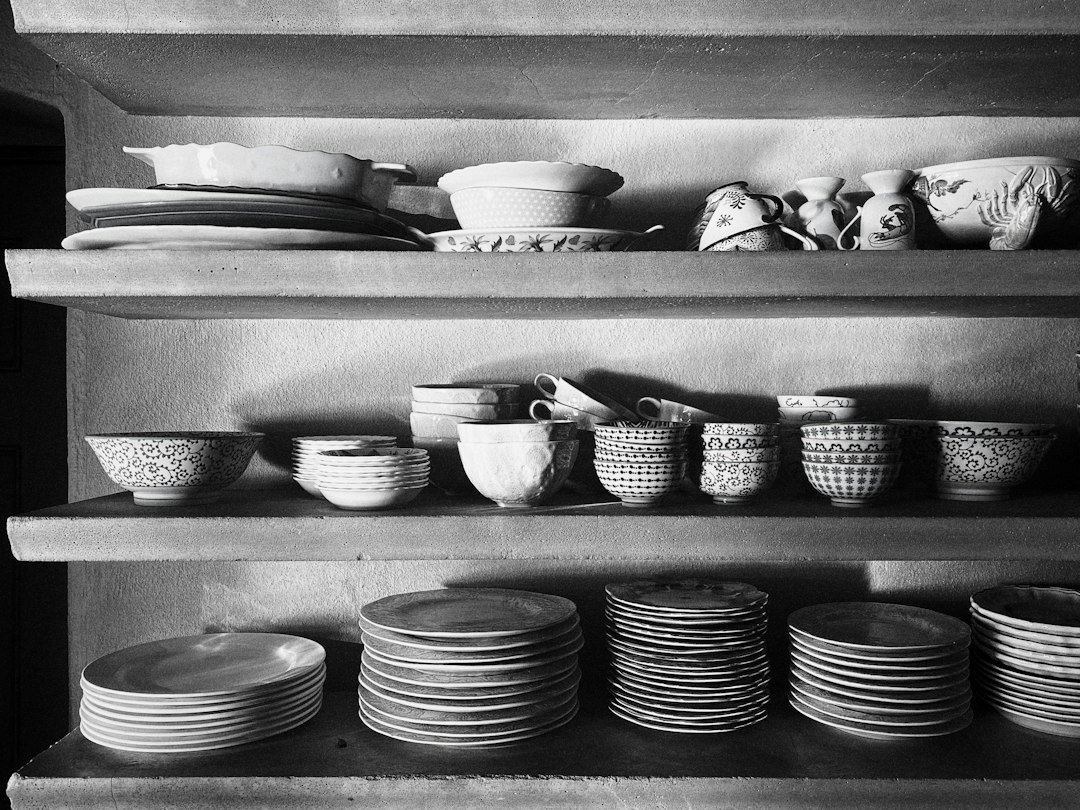
Use shelf dividers and multi-level organizers to create intentional layers
Rather than overcrowding a single shelf, add cheap shelf dividers or an extra wire shelf to create "mini-shelves" for plates, canned goods, or mugs. For deep cabinets, two-tier organizers bring a second usable surface without permanent construction.
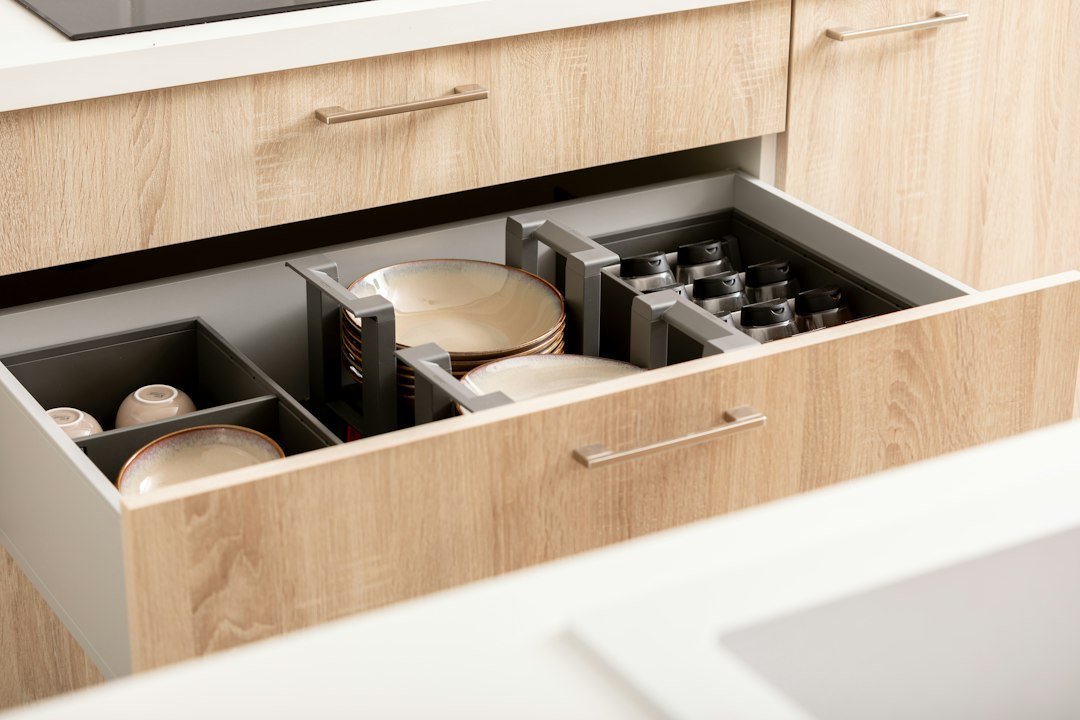
Make lids behave (and stop the lid avalanche)
Lids cause most cabinet fights. Store lids vertically in a narrow rack or inside a deep cabinet door mounted organizer. If you prefer keeping lids on pots, designate a shallow shelf for lid-first storage so they sit flat without tumbling.
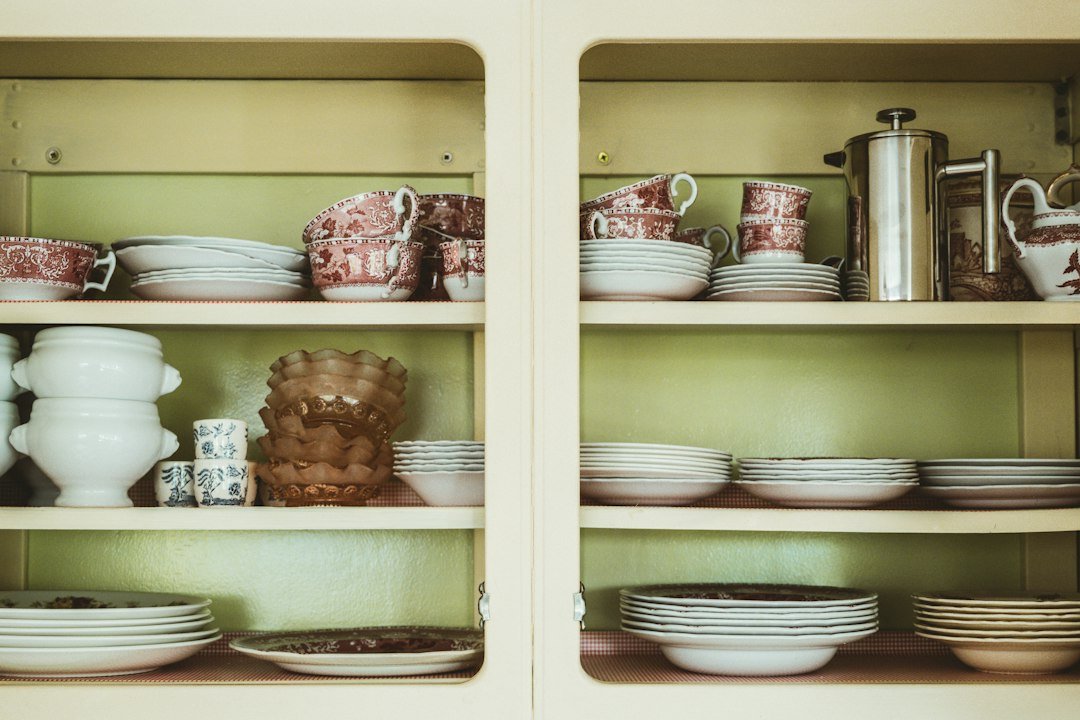
Reserve a cabinet for everyday plates and glasses
Keep the most-used dinnerware together on one mid-height shelf so unloading the dishwasher is quick and putting plates away is automatic. Keep glassware on the top shelf only if it’s lightweight and you can reach without a stool.
Tame spices and small containers
Spice chaos slows cooking more than you think. Move your most-used spices to a countertop or cabinet near the stove on a small turntable (lazy Susan) or a narrow pull-out spice rack. Less-used spices can go in a labeled box or bin on a higher shelf.
Make the under-sink cabinet usable
Under-sink space is awkward but valuable. Keep cleaning supplies in a caddy for quick removal during cabinet access. Install a tension rod to hang spray bottles or add a small pull-out bin for trash bags and sponges. Keep plumbing clearance in mind—use shallow organizers that don't press against pipes.
Designate a “landing” cabinet for incoming groceries and stage meals
Pick a lower cabinet next to the counter as a short-term staging area for ingredients and grocery bags. Staging reduces trips across the kitchen and keeps counters clear during sorting.
Maintain the system with weekly 10-minute checks
Spend 10 minutes weekly: return out-of-place items, toss expired pantry goods, and rotate frequently used items toward the front. Small, consistent maintenance prevents the gradual slide back into clutter.
When a full cabinet makeover makes sense
If you constantly fight for space, consider installing one or two pull-out shelves or a dedicated pot organizer. These are slightly more work but pay off when a drawer-style pull-out turns a deep cabinet into instantly usable, visible storage.
Quick decisions that save real time
- Donate duplicates: keep one good set of seldom-used items.
- Store seasonal or specialty appliances elsewhere (garage or top shelf) to free everyday space.
- Label the undersides of shelves or the fronts of bins for family members who help put things away.
Organizing cabinets is less about finding the perfect product than about arranging items so they meet how you move while cooking. Start with one cabinet, apply a couple of these tactics, and you’ll notice a measurable speed-up in everyday meals.
- Map kitchen zones based on your workflow (stovetop, prep, bake, dish).
- Add one visibility tool: clear bins, labels, or a pull-out tray in a deep cabinet.
- Install a vertical pot organizer in a lower cabinet or use a shelf divider for baking sheets.
- Create a spice station near the stove with a lazy Susan or pull-out rack.
- Set up an under-sink caddy and tension rod for cleaning supplies.
- Schedule a weekly 10-minute tidy to maintain order.
Focus on cooking workflow: keep daily items visible and within reach, use vertical and multi-level organizers to avoid stacks, and add one pull-out or vertical rack where access is hardest. Small, targeted changes deliver faster, less-stressed meal prep.
How do I choose which cabinets to reorganize first?
Start with the cabinet that causes the most frustration during cooking—usually cookware near the stove or the deep cabinet where you keep baking sheets. Quick wins here improve daily routines fast.
Are pull-out shelves worth the cost?
Yes for deep or low cabinets where items get buried. Even a single pull-out tray can halve the time you spend fishing for baking sheets or pots.
What’s the best way to store lids?
Store lids vertically in a narrow rack or on the inside of a cabinet door to prevent stacks from toppling; if lids stay on pots, keep lids on a shallow, dedicated shelf.
Can I organize cabinets without buying anything?
Yes—zone items by use, declutter duplicates, and place frequently used cookware at the front. Simple reorganizing often provides significant improvement.
Which cabinet organizers are most versatile?
Shelf risers, stackable shelves, and shallow pull-out trays are broadly useful because they work in many cabinet types and require no permanent installation.